Indian Meat Consumption Explorer
Select a region or meat type to view detailed consumption insights based on current trends.
Select a Meat Type
Cost: -Click on any card above to see specific details about consumption habits, popular dishes, and cultural context for that meat type in the selected region.
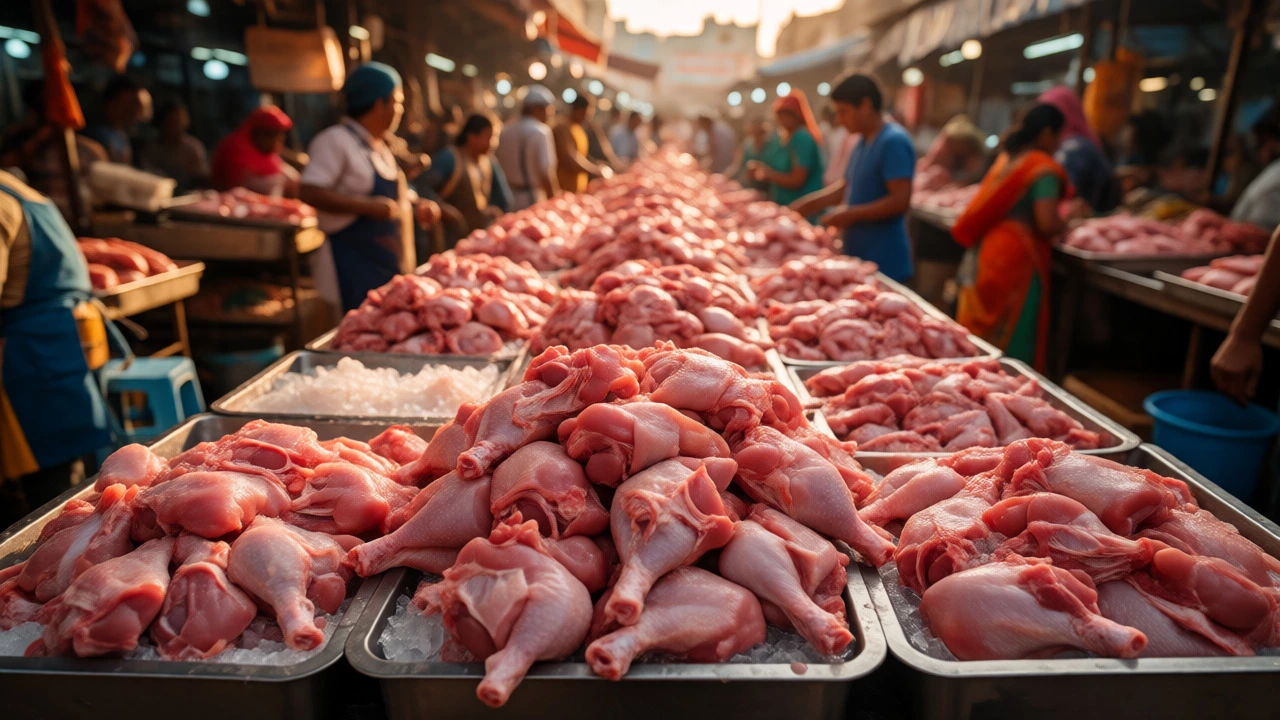
Walk into a bustling market in Delhi or Mumbai, and you’ll notice something immediately: the sheer volume of chicken being sold. It’s not just popular; it is the undisputed king of non-vegetarian diets across the subcontinent. But why has this particular bird taken over plates from Kerala to Kashmir? The answer isn’t just about taste-it’s a mix of economics, religion, and logistics.
Key Takeaways
- Chicken is the most consumed meat in India due to its affordability and lack of religious restrictions compared to beef or pork.
- Mutton (goat/sheep) holds the second spot but is often reserved for festivals and special occasions due to higher costs.
- Regional variations are massive: coastal states favor fish, while Punjab and Bengal have distinct preferences for red meats.
- The rise of organized poultry farming has made chicken accessible even in rural areas, driving consumption up by double digits over the last decade.
The Rise of Poultry: Why Chicken Won
If you look at the data, the trend is clear. According to recent agricultural reports, per capita consumption of poultry in India has surged. In 2025 alone, the demand for broiler chicken grew significantly, outpacing all other protein sources. Why? It’s simple math and sociology. Unlike beef, which faces legal bans in many states and social stigma among Hindus, chicken is universally accepted. Whether you’re Hindu, Muslim, Christian, or Sikh, chicken rarely crosses a dietary line.
Then there’s the price tag. A kilogram of chicken breast might cost half as much as a kilogram of premium mutton. For a middle-class family trying to get enough protein on a budget, chicken is the logical choice. It cooks faster too. You can make a spicy Andhra-style chicken fry in twenty minutes, whereas a proper Rogan Josh takes hours of slow cooking. In today’s fast-paced urban life, that convenience matters.
Mutton: The Traditional Favorite
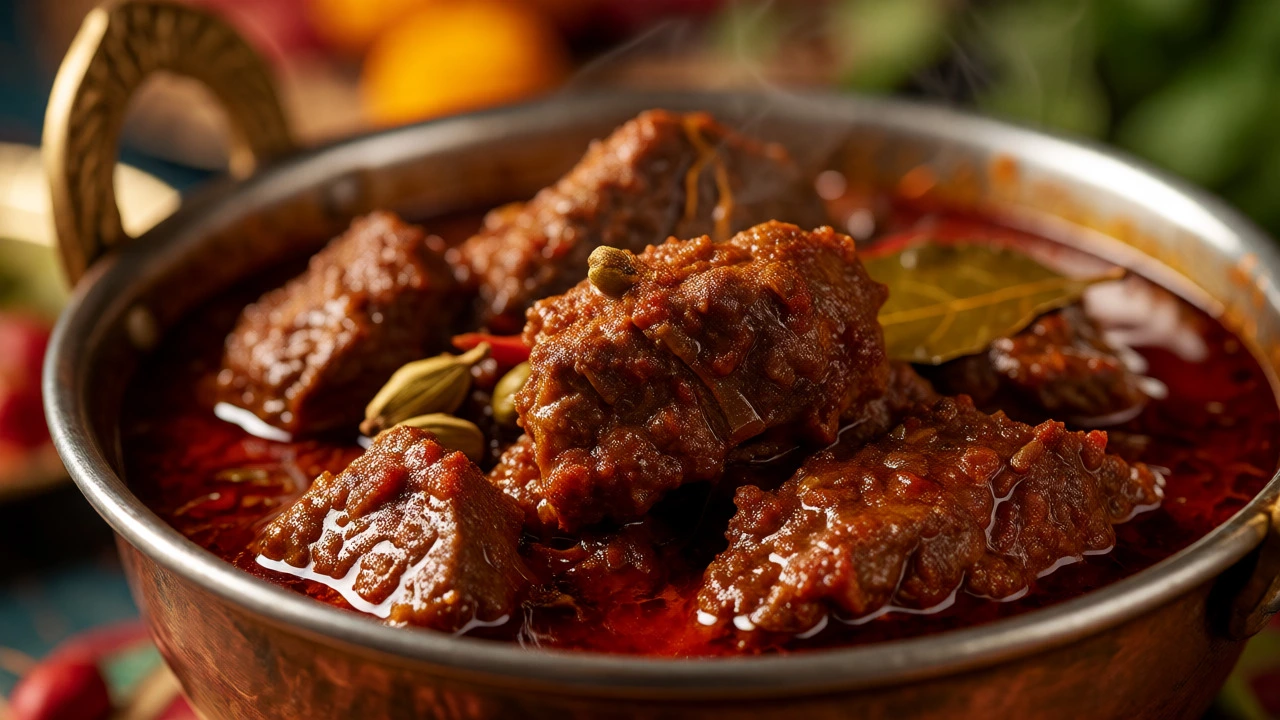
While chicken wins on volume, mutton-which in India typically refers to goat or sheep meat, not adult sheep like in the West-holds the cultural crown. Ask any chef in Hyderabad or Lucknow, and they’ll tell you that the soul of Indian cuisine lies in mutton curries. Dishes like Nihari and Biryani often feature goat meat because it has a richer, gamey flavor that chicken simply can’t match.
However, mutton remains a luxury for daily eating. The supply chain for goats is fragmented. Goats are usually raised by small farmers, making consistent large-scale production difficult. This scarcity drives prices up. During Eid or Diwali, demand spikes, and prices can jump by 30-40%. So, while everyone loves mutton, most people eat it weekly or monthly, not daily.
Regional Divides: Fish, Pork, and Beef
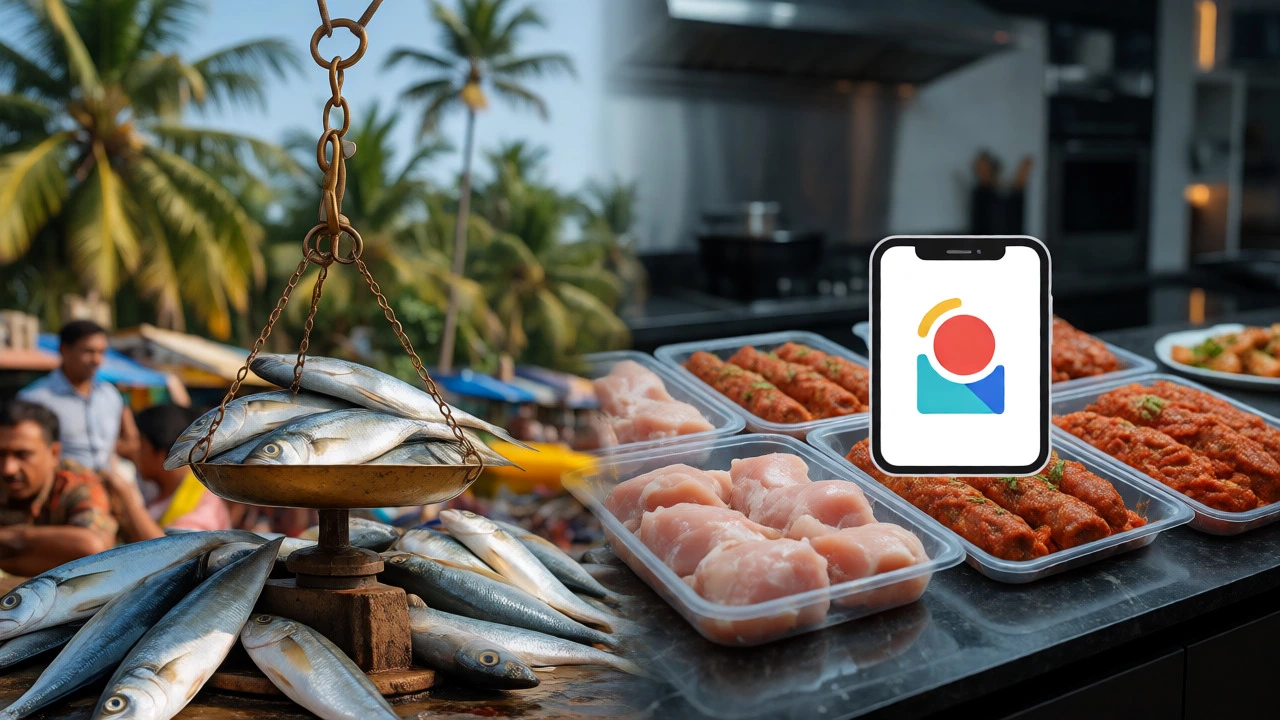
You can’t talk about meat in India without addressing the regional map. India isn’t a monolith. In coastal states like Kerala, Goa, and West Bengal, fish rivals chicken in popularity. Bengalis, for instance, consider fish a staple rather than a delicacy. A plate of Machher Jhol (fish curry) with rice is everyday food there.
In the Northeast, things change again. States like Nagaland and Mizoram have high pork consumption, largely influenced by tribal traditions and Christian demographics where pork taboos don’t apply. Meanwhile, beef remains controversial. While it was historically eaten in parts of Kerala and Maharashtra, strict laws in states like Uttar Pradesh and Gujarat have pushed beef consumption underground or to specific communities. Even when available, buffalo meat (carabeef) is more common than cow beef in the south, often used in dishes like Beef Fry.
How Consumption Patterns Are Changing
The landscape is shifting. Ten years ago, buying fresh meat meant visiting a wet market. Today, apps like Licious or BigBasket deliver chilled cuts to doorsteps in metros. This shift has normalized eating cleaner, processed meat. Younger generations, who may not know how to clean a whole fish or butcher a goat, prefer boneless chicken chunks or pre-marinated kebabs.
There’s also a health angle. With rising awareness about cholesterol and heart health, many Indians are swapping red meat for lean poultry. Dietitians often recommend chicken over mutton for those managing weight. This doesn’t mean mutton is disappearing; it’s just moving from a daily staple to a weekend treat.
| Meat Type | Primary Regions | Cost Level | Cultural Acceptance | Common Dishes |
|---|---|---|---|---|
| Chicken | Nationwide | Low to Medium | Very High (Universal) | Butter Chicken, Chicken Curry, Tandoori |
| Mutton (Goat) | North, Central, South | High | High (Festival/Special) | Rogan Josh, Biryani, Nihari |
| Fish | Coastal (Bengal, Kerala, Goa) | Variable | High in Coastal Areas | Machher Jhol, Fish Moilee, Prawn Masala |
| Pork | Northeast, Goa, Karnataka | Medium | Moderate (Region Specific) | Pork Vindaloo, Smoked Pork |
| Beef/Buffalo | Kerala, Maharashtra, Northeast | Low (Buffalo) | Controversial/Low | Beef Fry, Keema Pav |
Cooking Tips for Home Cooks
If you’re looking to bring these flavors into your kitchen, start with what’s easiest. Chicken is forgiving. If you’re new to Indian spices, try a simple Kadai Chicken. It uses bell peppers and tomatoes, balancing heat with sweetness. Don’t be afraid of yogurt marinades-they tenderize the meat and create a creamy gravy without heavy cream.
For mutton, patience is key. Never rush the browning process. Let the onions caramelize deeply before adding the meat. This builds the base flavor. If you find goat meat tough, use a pressure cooker. It cuts cooking time in half and ensures the meat falls off the bone. And always remember: Indian cooking relies on layering. Add whole spices first, then ginger-garlic paste, then powdered spices. Skipping steps leads to flat-tasting curries.
FAQ
Is beef commonly eaten in India?
No, beef is not commonly eaten across most of India due to religious beliefs and state laws prohibiting cow slaughter. However, it is popular in Kerala, Goa, and parts of the Northeast. Buffalo meat is more widely available and consumed in southern regions as an alternative.
Why is chicken so popular in India?
Chicken is affordable, widely available, and free from major religious taboos that affect beef and pork. It also cooks quickly, fitting modern urban lifestyles. The growth of organized poultry farming has further stabilized prices and supply.
What is the difference between mutton in India and elsewhere?
In India, "mutton" almost always refers to goat meat. In Western countries, mutton specifically means meat from an adult sheep. Goat meat is leaner and has a stronger flavor than lamb or young sheep meat, making it ideal for robust Indian curries.
Which state eats the most fish?
West Bengal has one of the highest fish consumption rates in India, where fish is considered a daily staple alongside rice. Coastal states like Kerala and Goa also have very high fish consumption due to their geographic location.
Is vegetarianism declining in India?
While India still has a large vegetarian population, non-vegetarian consumption is rising, particularly among younger urbanites. Economic growth and changing social norms have made meat more accessible and socially acceptable in diverse settings.