Indian Healthy Snack Builder
Select one base item and up to two toppings/accompaniments to create a balanced snack. The tool analyzes your choice based on the Protein-Fiber-Fat triad mentioned in the article.
Make selections to see nutritional analysis.
Snack Profile
You’re standing in front of the pantry at 4 PM. The energy dip hits hard, and your hand instinctively reaches for the bag of chips or the box of biscuits. But then you pause. You know that crash is coming. You want something that actually fuels you rather than just filling the void with empty calories. This is the eternal struggle: finding a snack that tastes good but doesn’t leave you feeling sluggish an hour later.
The answer isn’t about deprivation. It’s about smart swaps. When we talk about healthy indian snacks, we aren’t talking about bland boiled vegetables. We’re talking about a cuisine that has been balancing flavors, textures, and nutrition for centuries. From the fermented goodness of idli to the protein-packed crunch of roasted chana, the options are endless if you know where to look.
Understanding the Anatomy of a Smart Snack
Before we dive into specific dishes, let’s break down what makes a snack "healthy." It’s not just about low calories. A truly effective snack needs to stabilize your blood sugar and keep you satiated until your next meal. If you eat an apple alone, you might be hungry again in thirty minutes. Why? Because it’s mostly simple carbohydrates.
To fix this, you need the "Protein-Fiber-Fat" triad. Here is how it works:
- Protein: Slows down digestion and keeps hunger hormones like ghrelin in check.
- Fiber: Adds bulk to your stomach without adding many calories, promoting fullness.
- Healthy Fats: Provide sustained energy and help absorb fat-soluble vitamins.
When you combine these three elements, you create a snack that provides steady energy rather than a spike and crash. Most traditional Indian snacks naturally hit two of these marks. Your job is simply to avoid the deep fryer and excessive sugar.
The Powerhouse List: Top Nutritious Indian Snacks
Let’s get concrete. Here are five categories of snacks that deliver on taste and nutrition, specifically tailored to Indian palates and ingredients.
1. Roasted Chana (Chickpeas)
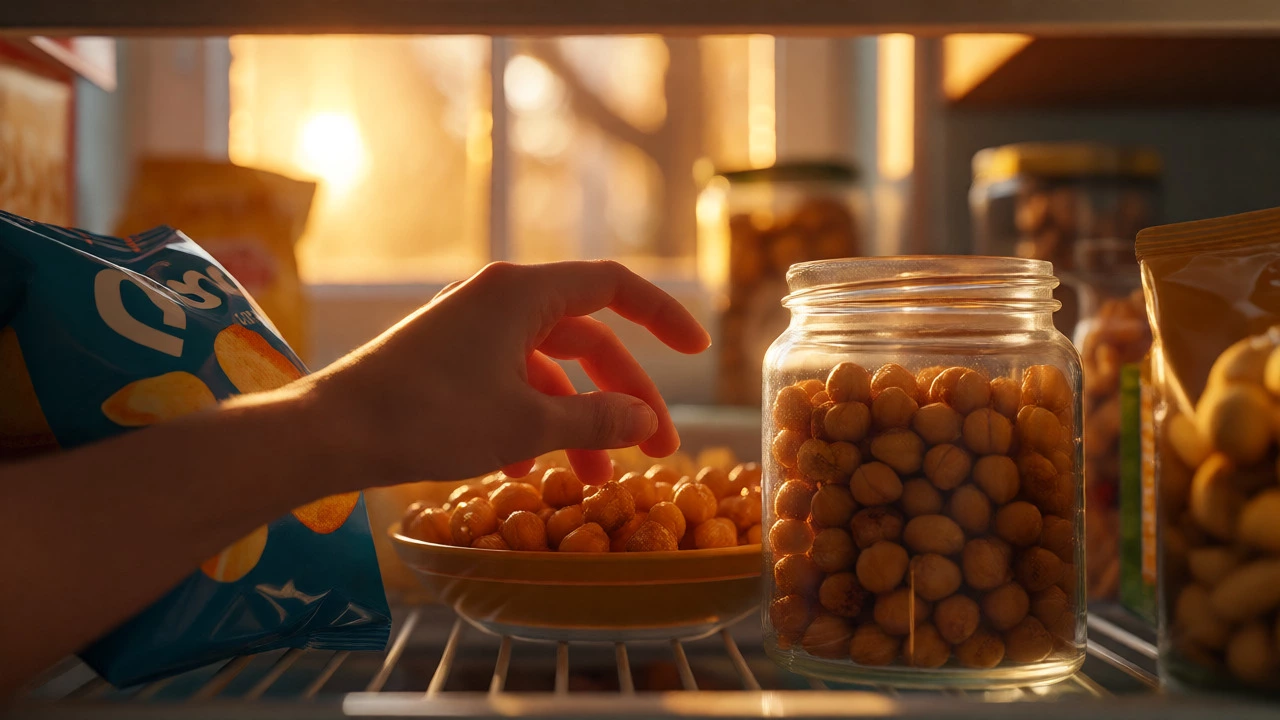
If you haven’t tried roasted chana yet, you are missing out on one of the most convenient superfoods available. Unlike fried namkeen, roasted chana is dry-roasted, meaning no oil is involved in the cooking process. They are rich in plant-based protein and fiber.
A small handful (about 30 grams) provides roughly 7-8 grams of protein. That’s comparable to a slice of cheese but with zero saturated fat. Look for varieties that are lightly spiced with chaat masala or black pepper rather than heavily salted ones. High sodium can lead to water retention, which isn’t ideal if you’re watching your health metrics.
2. Steamed Idli and Dosa Batter Alternatives
Idli is often misunderstood as "just carbs." While made from rice and lentils, the fermentation process increases the bioavailability of nutrients and introduces beneficial probiotics. However, plain white rice idlis can still spike blood sugar.
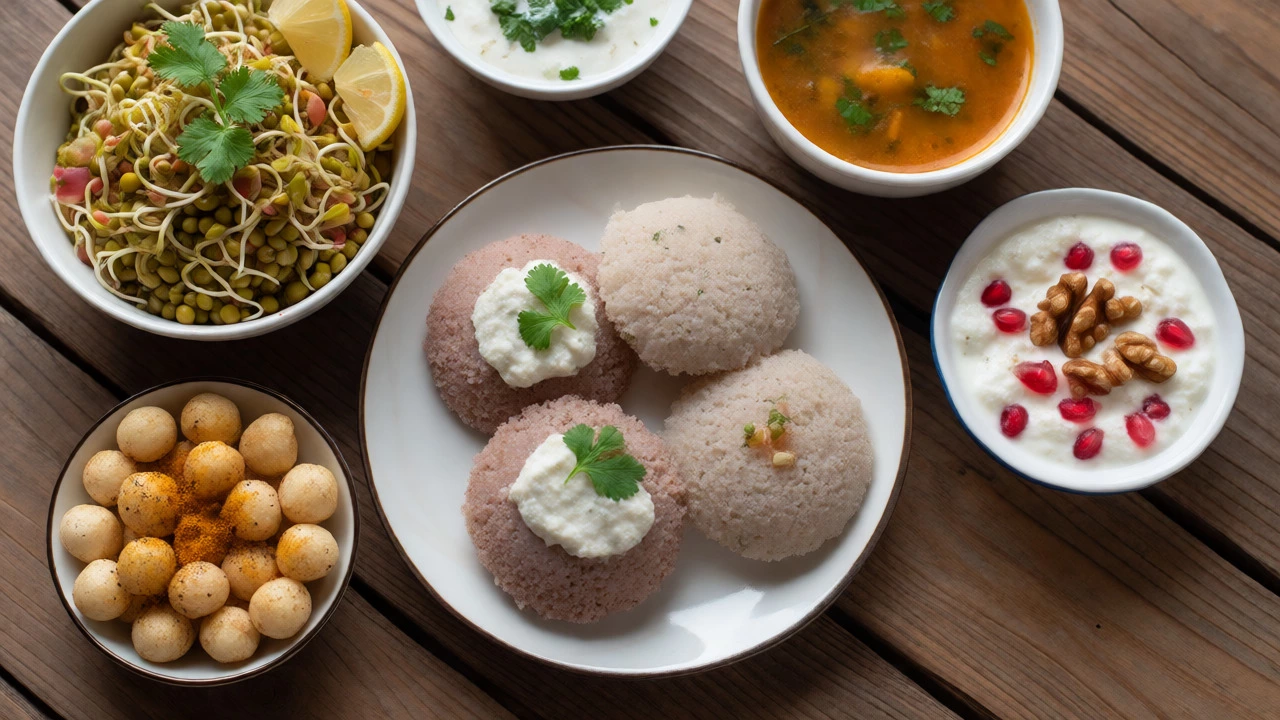
The hack? Switch to Ragi (finger millet) or Oats idlis. These grains have a lower glycemic index and higher fiber content. Pair them with sambar-a lentil-based vegetable stew-and coconut chutney. The sambar adds protein and veggies, while the coconut provides healthy fats. This combination turns a simple breakfast item into a balanced mid-day snack.
3. Sprouted Moong Chaat
Sprouting transforms legumes. It breaks down anti-nutrients and increases vitamin C content significantly. Sprouted moong beans are light, crunchy, and incredibly refreshing. They are a staple in many Indian households during summer, but they work year-round.
To make a proper chaat, toss sprouted moong with chopped onions, tomatoes, cilantro, lemon juice, and a pinch of cumin powder. Avoid adding sev (fried chickpea noodles) if you want to keep it strictly healthy; instead, add crushed peanuts for crunch and healthy monounsaturated fats. This snack is hydrating, high in folate, and very low in calories.
4. Makhana (Fox Nuts)
Makhana has exploded in popularity, and for good reason. These lotus seeds are grown in ponds and harvested by hand. When roasted properly, they puff up and become crispy without needing deep frying.
They are low in cholesterol and high in magnesium, which helps regulate blood pressure and muscle function. One cup of roasted makhana contains about 100 calories and minimal net carbs. Season them with turmeric, black pepper, and rock salt. Turmeric offers anti-inflammatory benefits, while black pepper enhances the absorption of curcumin. It’s a functional food disguised as a guilty pleasure.
5. Curd-Based Snacks (Dahi)
Curd, or yogurt, is a cornerstone of Indian nutrition. It’s packed with probiotics that support gut health. But sweet lassi loaded with sugar isn’t always the best choice. Instead, opt for savory raita or thick curd bowls.
Top a bowl of thick homemade curd with pomegranate seeds, flaxseeds, or walnuts. The acidity of the curd pairs well with the sweetness of the fruit, satisfying cravings without refined sugar. Probiotics also aid in digestion, which can prevent bloating after heavier meals.
Comparison: Traditional vs. Healthy Swaps
Many people think healthy means giving up their favorite foods. In reality, it’s about tweaking the preparation method. Let’s look at how common Indian snacks stack up against their healthier counterparts.
| Traditional Snack | Primary Issue | Healthy Alternative | Key Benefit |
|---|---|---|---|
| Pakora (Fried) | High trans fats from reused oil | Baked Vegetable Tikki | Same flavor, 70% less fat |
| Samosa | Refined flour crust + fried potato filling | Steamed Kothu Paratha Roll | Higher fiber, controlled portion |
| Jalebi | Deep-fried batter soaked in syrup | Rabri (Low-fat milk dessert) | Calcium-rich, lower sugar load |
| Namkeen Mix | High sodium, hidden oils | Roasted Makhana/Chana | Whole grain, no additives |
Notice the pattern? The issue rarely lies with the main ingredient-potatoes, lentils, and flour are fine. The problem is usually the cooking medium (deep frying) and the accompaniments (sugar-heavy chutneys). By baking, steaming, or roasting, you retain the essence of the dish while slashing the calorie count.
Portion Control: The Hidden Trap
Even healthy snacks can derail your diet if you eat them mindlessly. Have you ever finished a whole packet of almonds because you were bored? That’s about 600 calories gone in ten minutes.
Indian snacks are often served in large communal bowls. To stay on track, use the "Plate Method" even for snacks. Imagine your palm size as the limit for nuts or seeds. For fruits and vegetables, fill half your plate. For proteins like paneer cubes or boiled eggs, stick to a palm-sized portion.
Pre-portioning is key. Buy loose snacks in bulk, then divide them into small ziplock bags or containers immediately. When you sit down to watch TV or work, grab one container. Don’t bring the whole jar to the couch. This physical barrier stops you from overeating.
Timing Matters: When to Snack?
Eating the right thing at the wrong time can mess with your metabolism. Ideally, space your snacks so they don’t interfere with your main meals. If you snack too close to lunch or dinner, you’ll lose your appetite for nutrient-dense whole meals.
The best times to snack are:
- Mid-Morning (10:30 AM - 11:00 AM): Bridges the gap between breakfast and lunch. Go for something light like fruit or sprouts.
- Late Afternoon (4:00 PM - 5:00 PM): The classic slump period. Choose something with protein and complex carbs, like roasted chana or a handful of nuts, to sustain energy through the evening.
Avoid snacking late at night unless you’re genuinely hungry. Digestion slows down during sleep, and undigested food can cause discomfort or weight gain over time.
DIY Spice Blends for Flavor Without Calories
One reason people reach for processed snacks is flavor fatigue. Plain boiled vegetables can get boring fast. The solution? Homemade spice blends. Store-bought seasonings often contain MSG, artificial colors, and excessive salt.
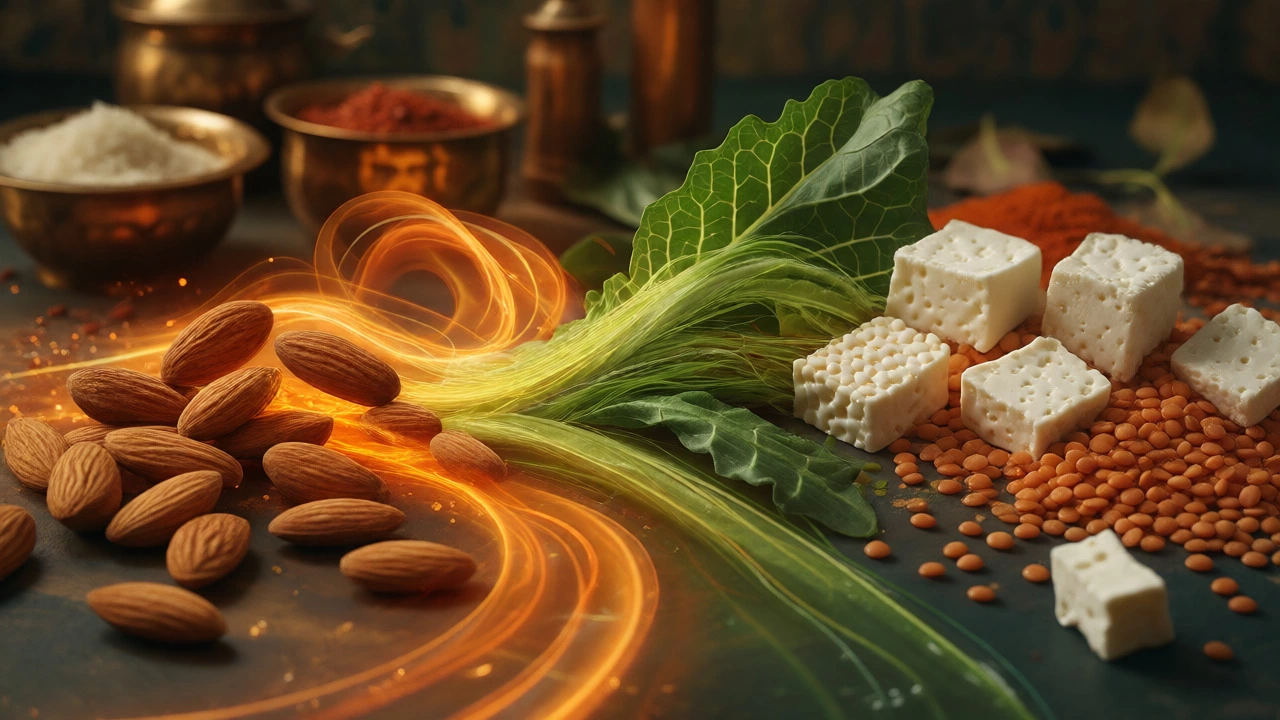
Try making your own Cha Masala using coriander powder, cumin powder, dried mango powder (amchur), black salt, and ginger powder. Amchur provides a tangy kick without adding acid reflux triggers like vinegar sometimes does. Black salt aids digestion and adds a unique sulfurous note that mimics the taste of street food.
Sprinkle this blend on cucumber slices, boiled potatoes, or roasted chickpeas. You get the authentic street-food vibe with none of the junk.
Frequently Asked Questions
Is peanut butter a healthy Indian snack?
Yes, provided it is unsweetened and free from hydrogenated oils. Peanut butter is high in calories, so stick to one tablespoon paired with apple slices or celery. It provides healthy fats and protein but should be consumed in moderation due to its calorie density.
Can I eat bananas every day as a snack?
Bananas are nutritious, offering potassium and quick energy. However, they are higher in sugar compared to berries or apples. If you are diabetic or watching your carb intake, pair a banana with a source of protein or fat, such as a few almonds, to slow down glucose absorption.
Are store-bought granola bars healthy?
Most commercial granola bars are candy bars in disguise. They often contain high fructose corn syrup, maltodextrin, and excessive sugar. Always check the label: if sugar is listed in the first three ingredients, put it back. Opt for homemade bars using oats, nuts, and dates for natural binding.
Why do I feel hungry after eating fruit?
Fruit digests quickly because it lacks significant protein or fat. If you only eat fruit, your blood sugar spikes and then drops rapidly, triggering hunger signals again. Combining fruit with Greek yogurt, nuts, or cheese creates a more balanced snack that sustains satiety longer.
Is popcorn a healthy snack option?
Air-popped popcorn is a whole grain and high in fiber. However, movie-theater style popcorn loaded with butter and salt negates these benefits. Make your own at home using minimal oil, nutritional yeast for a cheesy flavor, and herbs for seasoning. It’s a voluminous snack that fills you up with relatively few calories.