Dal Decoder: Find the Right English Term
Confused by what to buy or call your dish? Select a common South Asian Dal variety below to see its precise English equivalent, characteristics, and best uses.
Masoor Dal
Red LentilsToor Dal
Pigeon PeasMoong Dal
Mung BeansChana Dal
Split ChickpeasUrad Dal
Black GramRajma
Kidney BeansBest Uses & Tips
Serving Suggestion
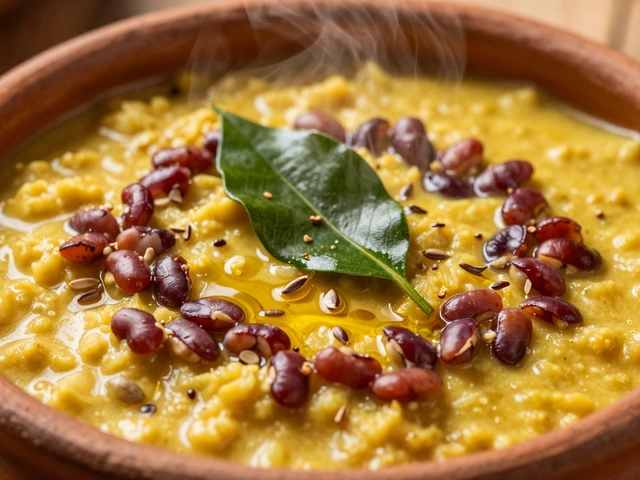
You’re standing in an American grocery store, staring at a can of "lentils," but your mind screams "Dal!". You’ve eaten it every day of your life. It’s comfort food. It’s the backbone of South Asian cuisine. Yet, when you try to translate it for a friend or look for a recipe online, you hit a wall. There is no single word that perfectly captures the soul of Dal a term used in South Asia to refer to both dried split pulses and the cooked stew made from them.
This confusion isn’t just linguistic; it’s culinary. Calling dal simply "lentil soup" feels wrong because it misses the texture, the tempering, and the cultural weight. But calling it "split pea stew" might confuse someone who thinks of British mushy peas. So, what is dal actually called in English? The short answer is: it depends on the bean, the state, and the dish. Let’s break down exactly how to navigate this delicious linguistic maze.
The Core Translation: Dried Pulses vs. Cooked Stew
First, we need to clear up the biggest misconception. In Hindi and many other South Asian languages, the word dāl has two distinct meanings that English separates into different categories. This dual meaning is where most translation errors happen.
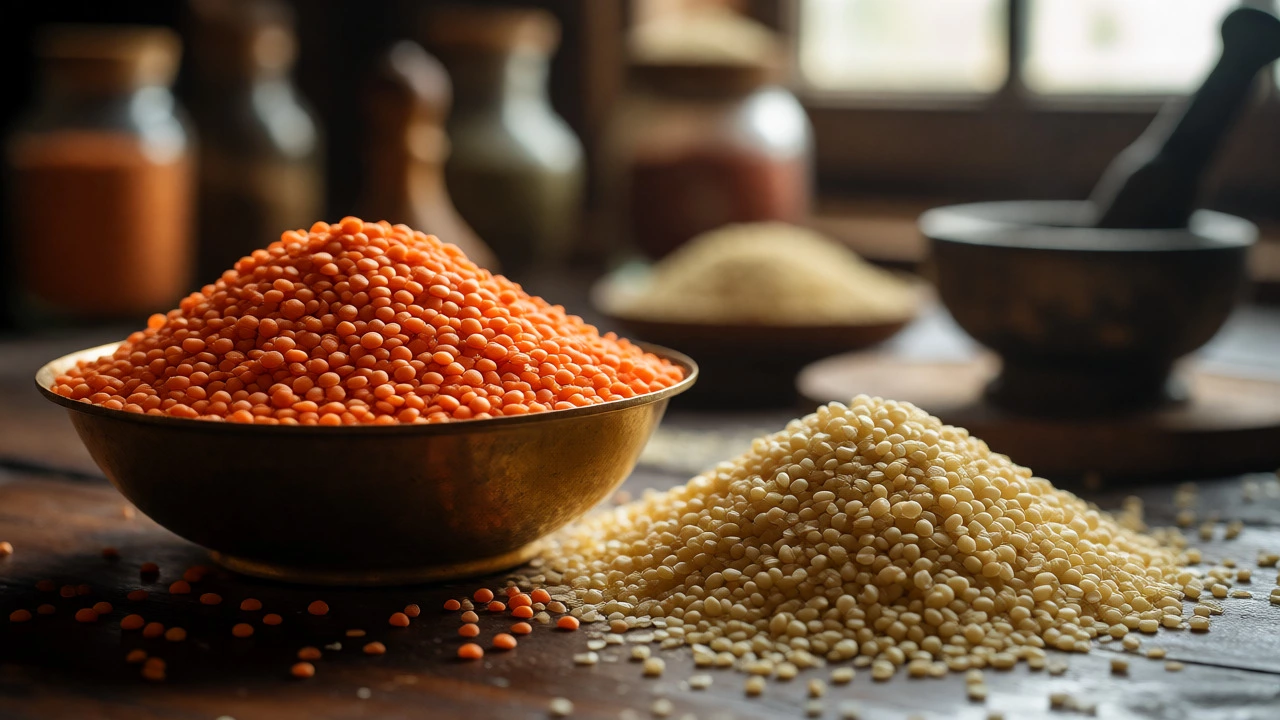
1. The Ingredient: When referring to the raw, dried legumes themselves, especially if they are split and skinned, the correct English terms are split lentils, split peas, or split beans. For example, Toor Dal translates to Split Pigeon Peas. Masoor Dal translates to Red Split Lentils.
2. The Dish: When referring to the prepared meal-the soupy, spiced, tempered consistency served with rice or roti-there is no perfect one-word equivalent. "Lentil curry" is close, but not all dals are curries (some are dry). "Lentil soup" is acceptable but often implies a Western broth-based style rather than the thick, ghee-tempered consistency of Indian dal.
So, if someone asks, "What is dal called in English?" you have to ask back: "Do you mean the bean or the bowl?"
Decoding Specific Types: From Masoor to Moong
Not all dals are created equal, and their English names vary significantly by variety. If you are shopping for ingredients, using the generic term "dal" will get you nowhere in a standard Western supermarket. You need specific botanical names. Here is a breakdown of the most common varieties you’ll encounter.
| Hindi/South Asian Name | English Botanical Name | Characteristics & Uses |
|---|---|---|
| Masoor Dal | Red Split Lentils | Cooks quickly, turns yellowish-orange, mild earthy taste. Great for quick dinners. |
| Toor Dal | Split Pigeon Peas | Sticky texture, nutty flavor. The base of Sambar and Gujarati Dal. |
| Moong Dal | Yellow Mung Beans (Split) | Lightest to digest, cooks very fast. Used in Khichdi and light soups. |
| Chana Dal | Split Chickpeas | Firm texture, holds shape well. Used in salads, sweets, and thick stews. |
| Rajma | Kidney Beans | Technically a whole pulse, not split. Often grouped with dal dishes in casual conversation. |
| Urad Dal | Black Gram (Split) | Rich, creamy, high protein. Essential for Vada and heavy North Indian dals. |
Notice the pattern? Most "dals" are technically split versions of their whole counterparts. In English, we rarely say "split kidney beans" because we usually eat kidney beans whole. But in India, splitting the skin off changes the cooking time and texture entirely. That’s why Chana Dal behaves completely differently from whole chickpeas (Chole). Understanding this distinction helps you pick the right ingredient when following an international recipe.
Why "Lentil Soup" Isn't Enough
If you tell a non-Indian friend you’re making "lentil soup," they might imagine a thin, tomato-heavy broth like the kind served in cafes. Indian dal is fundamentally different. It’s defined by its technique, not just its main ingredient.
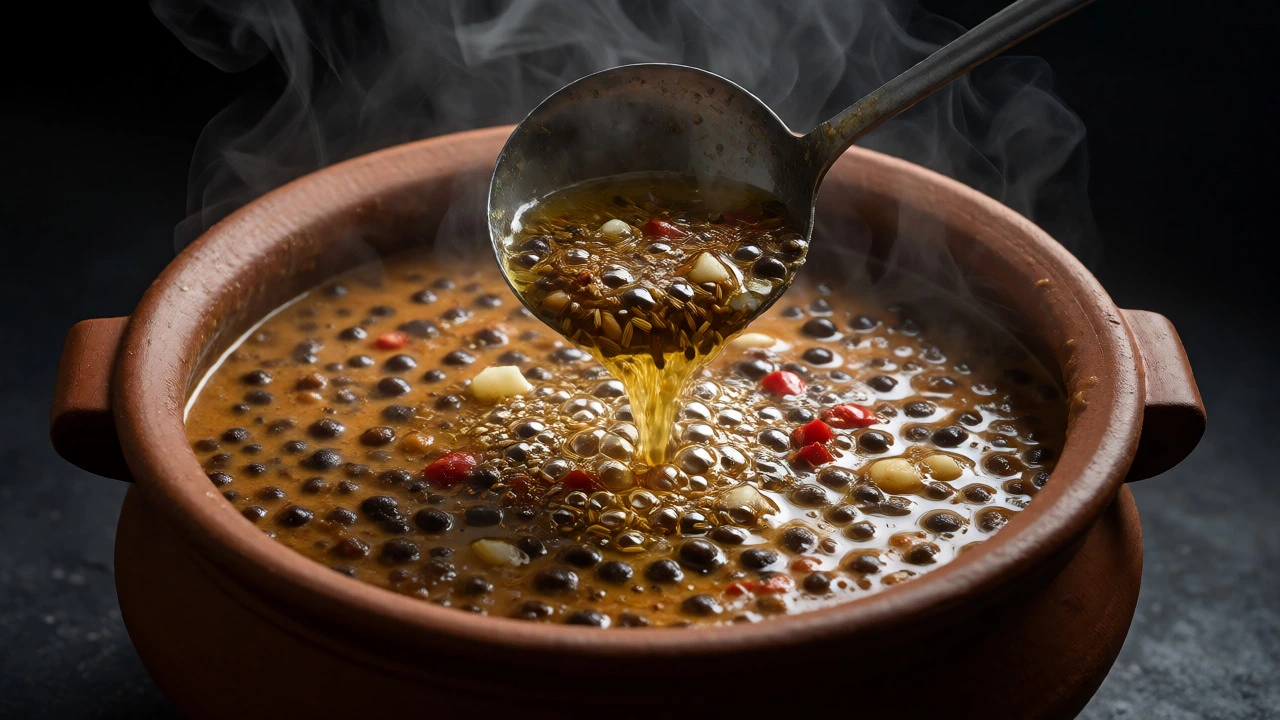
The defining feature of authentic dal is the tadka or chaunk-the tempering step. You cook onions, garlic, ginger, cumin, mustard seeds, and chilies in oil or ghee, then pour this sizzling mixture over the cooked lentils. This infusion of fat-soluble aromatics creates a depth of flavor that standard Western lentil soups lack. Furthermore, the consistency varies wildly. Some dals, like Punjabi Dal Makhani, are thick enough to stand a spoon in. Others, like Gujarati Dal, are thin and sweet-sour. No single English descriptor covers this spectrum.
This is why many food writers and chefs now leave the word "Dal" untranslated. Just as we don’t translate "Sushi" to "vinegared rice roll" or "Taco" to "folded tortilla," keeping the original name preserves the cultural context. When you see "Dal Tadka" on a menu, you know exactly what you’re getting: a simple, homestyle lentil dish finished with a hot spice tempering. Translating it as "Tempered Yellow Split Pea Stew" sounds clinical and unappetizing.
Navigating Grocery Stores and Recipes
If you’re trying to replicate Indian flavors abroad, here’s how to shop effectively. Don’t just grab a bag labeled "Lentils." Look closely at the color and shape.
- For Masoor Dal: Buy red lentils. They are bright orange-red and turn yellow when cooked. Do not buy brown lentils unless you want a firmer texture closer to French Puy lentils.
- For Toor Dal: This is the hardest to find in regular US/UK stores. Look for "Toor Dal" in Indian grocery stores. If you must substitute, use split pigeon peas if available, or mix yellow split peas with a pinch of turmeric (though the flavor won’t be identical).
- For Chana Dal: Look for "Split Chickpeas" or "Chana Dal." Avoid "Garbanzo Beans" which are whole and require soaking overnight.
When reading recipes, watch out for vague instructions. A recipe saying "1 cup of dal" could mean any of the above. Always check if the recipe specifies the type. If it doesn’t, assume it means Yellow Moong Dal or Red Masoor Dal, as these are the quickest and most common "everyday" dals. If the recipe mentions soaking, it’s likely Urad, Chana, or Whole Mung.
The Cultural Weight of the Word
Language shapes perception. By insisting on translating "dal" into rigid English categories, we strip away its emotional resonance. In South Asia, dal isn’t just a side dish; it’s the default meal. When money is tight, you make dal. When you’re sick, you eat dal. When you want comfort, you crave dal.
The English language lacks a word for "the humble, essential, comforting lentil stew that accompanies almost every meal." We have "stew," "soup," and "curry," but none carry the same domestic warmth. This is why the trend of leaving "dal" untranslated is gaining traction globally. It acknowledges that some concepts are too culturally specific to be flattened by direct translation.
Think about it this way: Would you call Kimchi "fermented cabbage salad"? Probably not. You’d call it Kimchi. Similarly, calling Dal "lentil soup" does a disservice to the thousands of regional variations, from the coconut-rich Sambar of the south to the butter-laden Dal Makhani of the north.
Practical Cheat Sheet for Home Cooks
If you’re hosting a dinner party or writing a blog post, here’s how to describe dal accurately without confusing your audience.
Scenario 1: You are serving a thick, creamy, black lentil dish.
Don’t say: "Black Bean Soup."
Say: "Dal Makhani (Creamy Black Lentil Curry)." Explain that it’s slow-cooked with butter and cream.
Scenario 2: You are serving a light, yellow, soupy dish.
Don’t say: "Pea Soup."
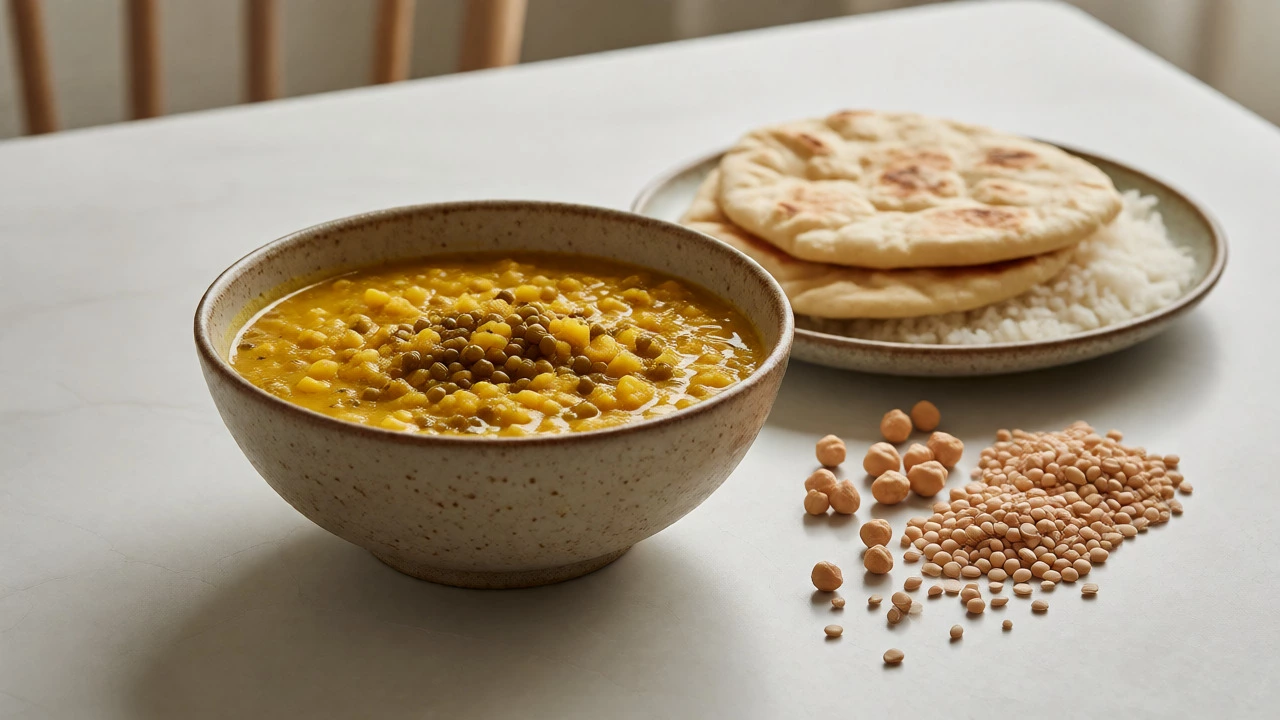
Say: "Yellow Dal (Spiced Split Mung Bean Stew)." Mention the cumin tempering.
Scenario 3: You are serving a dry, spicy chickpea dish.
Don’t say: "Dry Chickpeas."
Say: "Chana Masala (Spiced Chickpea Curry)" or "Chana Dal Fry" if it’s split.
Using parenthetical translations gives your audience the best of both worlds: the authentic name and the understandable description.
Frequently Asked Questions
Is dal the same as lentils?
Not exactly. "Lentils" refers to a specific type of legume (Lens culinaris). "Dal" is a broader South Asian term that includes lentils, but also split peas, split mung beans, split chickpeas, and split pigeon peas. While red lentils are a type of dal, not all dals are lentils.
Can I substitute lentils for any dal in a recipe?
You can substitute red lentils for Masoor Dal easily. However, substituting green/brown lentils for Toor Dal or Chana Dal will change the texture and flavor significantly. Green lentils hold their shape better and have a peppery taste, whereas Toor Dal becomes creamy and sticky. Use substitutions only if you accept a different final result.
Why do Americans call it "split peas" instead of "dal"?
In the US and UK, "split peas" typically refers specifically to split field peas (Pisum sativum), which are larger and starchier than Indian moong or masoor dal. Because Western cuisine uses fewer varieties of split pulses, there wasn't a need for a catch-all term like "dal." Now that global cuisines are more integrated, the term "dal" is becoming recognized in specialty contexts.
What is the closest English translation for "Dal Tadka"?
The closest descriptive translation is "Tempered Yellow Split Pea Stew" or "Spiced Lentil Soup with Hot Oil Seasoning." However, most restaurants and food bloggers simply use "Dal Tadka" because it conveys the specific method of pouring sizzling spices over the cooked lentils, which defines the dish's identity.
Is Rajma considered dal?
Technically, Rajma (Kidney Beans) are whole pulses, not split ones, so purists might argue they aren't "dal" in the strict sense of split legumes. However, in everyday South Asian usage, Rajma is often categorized alongside dal dishes because it serves the same function: a protein-rich, gravy-based accompaniment to rice or bread. So yes, colloquially, it fits under the umbrella.