Dal Pairing Assistant
Select the type of dal you are serving to get tailored recommendations for carbs, sides, and garnishes.
Nutritional Checklist for This Meal:
- ✅ Protein: Provided by the Dal itself.
- ✅ Carbs: Provided by the recommended base.
- ✅ Vitamin C: Ensure you have the lemon/salad component listed above.
- ✅ Fats: A dollop of ghee or butter enhances flavor and vitamin absorption.
You’ve just made a pot of dal, a lentil-based stew that forms the protein backbone of countless South Asian diets. It’s creamy, spiced, and smells incredible. But then you stare at it, fork in hand, wondering what goes on the side. Is it rice? Bread? A salad? Or something crunchy?
Here’s the thing: dal is rarely eaten alone. In India, where this dish originates, dal is considered incomplete without its counterpart. The right pairing isn’t just about taste; it’s about texture contrast, nutritional balance, and cultural tradition. Getting this wrong can make a perfectly good meal feel flat or overly heavy. Getting it right turns a simple bowl of lentils into a complete, satisfying feast.
The Classic Carb Pairings
If you ask any home cook from Delhi to Chennai what goes with dal, they’ll give you one of two answers: rice or bread. These aren’t just fillers; they are vehicles for the sauce.
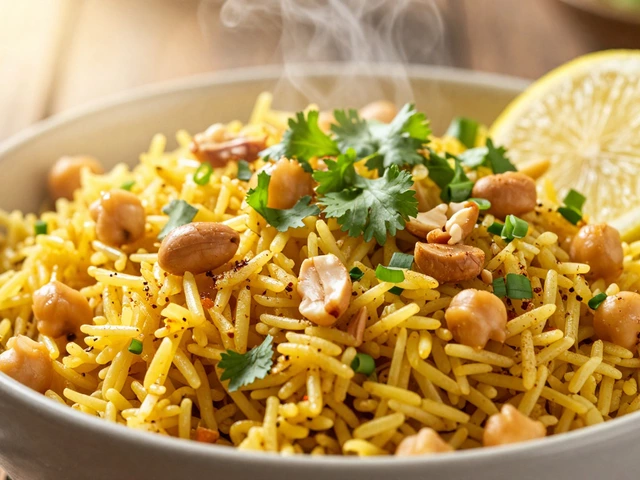
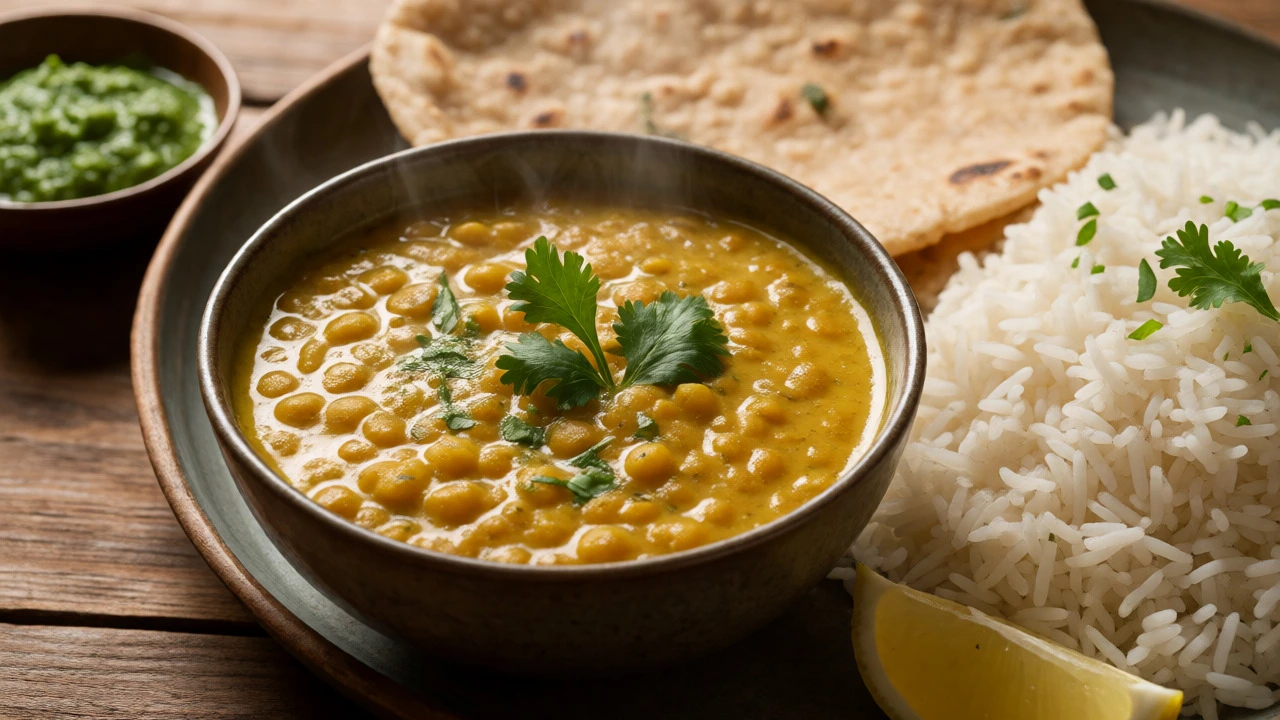
Steamed Basmati Rice is the most common partner, especially in North India. The long grains stay separate and fluffy, which means they don’t turn into mush when mixed with thick dals like Rajma (kidney beans) or Chana Masala. The neutral flavor of the rice lets the spices in the dal shine. If you’re eating in South India, however, you might swap this for Sona Masoori Rice, which is shorter-grained and slightly stickier, perfect for scooping up soupy Sambar.
For those who prefer bread, Roti (whole wheat flatbread) is the daily staple. It’s healthier than white flour options and has a nutty taste that complements earthy lentils. You tear off a piece, scoop up some dal, and eat. Simple. If you want something richer, Naan is a leavened, oven-baked flatbread often found in restaurants. It’s softer and pillowy, making it great for mopping up creamy Dal Makhani, though it’s higher in calories due to the refined flour and butter used in preparation.
| Dal Type | Best Carb Pairing | Why It Works |
|---|---|---|
| Dal Tadka (Yellow Lentil) | Jeera Rice or Roti | Cumin rice adds aroma; roti provides chewiness. |
| Rajma (Kidney Bean Curry) | Basmati Rice | Fluffy rice balances the thick, gravy-like consistency. |
| Sambar (Lentil & Veggie Stew) | Idli or Dosa | Fermented batters cut through the tangy tamarind broth. |
| Dal Makhani (Black Lentil) | Garlic Naan | Rich, buttery bread matches the creamy texture. |
Texture Contrast: Crunchy Sides
Dal is soft. If you only eat soft things, your palate gets bored fast. That’s why crunchy elements are non-negotiable for many people. They provide a sensory break from the smoothness of the lentils.
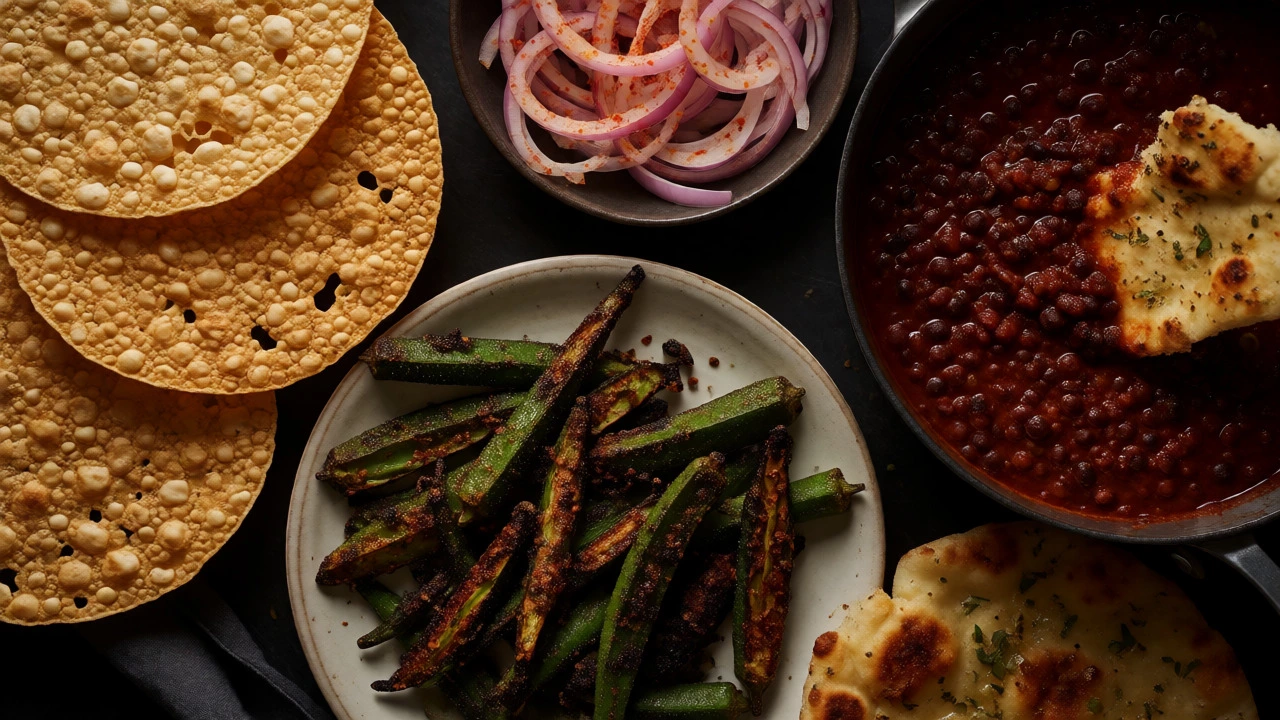
Think about Papadum (or Papad). This thin, crisp disc made from lentil flour is essentially an edible spoon. You break it, dip it, and crunch. There are roasted versions (lighter, less oil) and fried versions (richer, more indulgent). Roasted papad is a better choice if you’re watching your calorie intake, as frying can double the fat content per serving.
Another game-changer is Bhindi Fry (okra). When sliced and pan-fried until crisp, okra loses its slime and gains a delightful snap. The slight bitterness of okra cuts through the richness of ghee-heavy dals. If you don’t have okra, try Aloo Gobi (potato and cauliflower), but ensure the cauliflower florets are roasted hard so they retain some bite rather than turning into mash.
Don’t underestimate the power of raw onions. A small bowl of thinly sliced red onions with a squeeze of lemon and a pinch of chili powder is a traditional side in Punjab. The sharp, pungent heat of raw onion cleanses the palate between bites of rich dal. It’s cheap, easy, and incredibly effective.
Freshness and Acidity: Salads and Chutneys
Lentils are heavy on protein and carbs but can lack freshness. Enter the salad. In Western terms, we think of salad as lettuce leaves. In Indian cuisine, a "salad" is often a mix of chopped vegetables dressed simply.
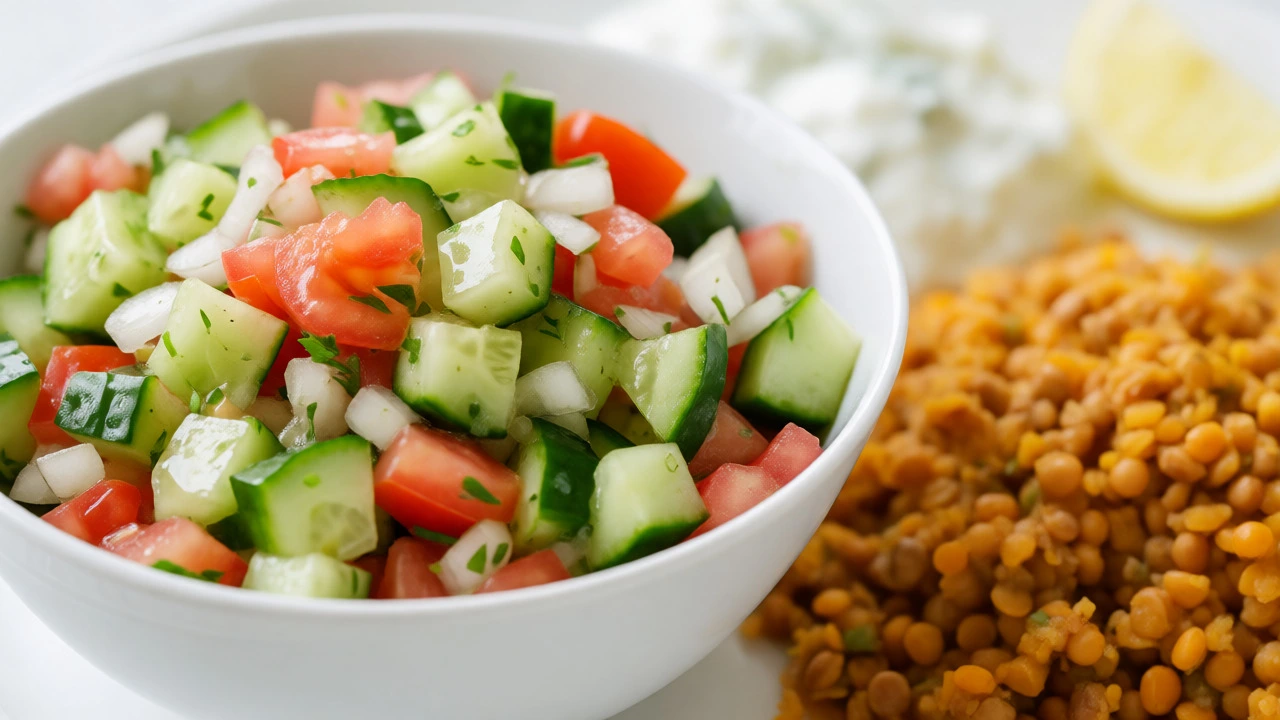
The classic Kachumber Salad is made of diced cucumber, tomato, and onion, tossed with lemon juice, salt, and cilantro. The acidity of the lemon cuts through the starchiness of the dal, while the water content in the cucumber hydrates you. It’s light, refreshing, and takes five minutes to make.
If you want something more complex, look at chutneys. Mint-Coriander Chutney is green, spicy, and cooling. It pairs exceptionally well with fried items served alongside dal, like pakoras, but also brightens up plain rice and dal combos. For a sweeter note, Tamarind Chutney offers a sweet-sour profile that contrasts beautifully with salty, savory dals.
Pro tip: Never skip the garnish. A sprinkle of fresh coriander leaves and a wedge of lemon on top of your dal isn’t just decoration. The citric acid helps your body absorb iron from the lentils, boosting the nutritional value of your meal.
Protein Boosts: What Else Can You Add?
While dal itself is high in protein, combining it with other sources creates a complete amino acid profile, especially important for vegetarians. Rice and dal together provide all essential amino acids, but adding another element can vary the meal.
Paneer (Indian cottage cheese) is a popular addition. Cubes of paneer marinated in spices and grilled or fried add a milky, dense protein component that contrasts with the liquid nature of dal. Try Palak Paneer alongside a yellow dal for a green-and-yellow color contrast that looks great on the plate.
For a lighter option, consider Egg Bhurji (scrambled eggs with onions and tomatoes). In many households, especially in Mumbai, eggs are scrambled with strong spices and served alongside dal and roti. The sulfur notes in eggs complement the earthy flavors of lentils surprisingly well.
If you eat meat, chicken works too. Chicken Tikka pieces added to a mild dal create a fusion-style dish. Alternatively, serve dry Chicken Curry on the side. The key is to keep the second protein source relatively dry so it doesn’t compete with the wetness of the dal.
Regional Variations: How Geography Changes the Plate
What you eat with dal depends heavily on where you are in India. Understanding these regional habits can help you build a more authentic meal.
- North India: Focuses on wheat. Expect Roti, Paratha, or Naan. Dairy products like curd (yogurt) are almost always present, either as a side or mixed into the rice (Dahi Rice).
- South India: Focuses on rice and fermented batters. Idli (steamed cakes) and Dosa (crepes) are standard. Coconut-based chutneys are mandatory.
- East India (Bengal): Fish plays a big role. A fish curry might accompany dal, along with steamed rice. Mustard oil is often used, giving a pungent kick.
- West India (Gujarat/Maharashtra): Sweetness is introduced. Gujarati thalis often include a sweet dish (like shrikhand) alongside dal. In Maharashtra, Bhakri (jowar or bajra flatbread) is preferred over wheat roti.
Nutritional Balance: Building a Complete Meal
You might be asking, "Is dal enough?" From a nutritional standpoint, dal provides protein, fiber, and iron. However, it lacks certain vitamins and healthy fats unless supplemented.
To make your dal meal nutritionally complete, follow this simple checklist:
- Add Vitamin C: Lemon juice or tomatoes aid iron absorption.
- Add Healthy Fats: A dollop of ghee or a side of avocado/nuts helps absorb fat-soluble vitamins.
- Add Fiber/Vitamins: Leafy greens (spinach, methi) or cruciferous veggies (cauliflower, broccoli) prevent constipation and add micronutrients.
- Add Probiotics: Yogurt or buttermilk aids digestion of the heavy legumes.
For example, a bowl of Masoor Dal (red lentils) with spinach mixed in, served with brown rice and a side of yogurt, checks every box. It’s balanced, digestible, and satisfying.
Quick Pairing Cheat Sheet
Still unsure? Use this quick guide based on the type of dal you’ve cooked.
| If Your Dal Is... | Serve With... | Skip... |
|---|---|---|
| Thick & Creamy (e.g., Dal Makhani) | Garlic Naan, Jeera Rice | More heavy gravies |
| Thin & Soupy (e.g., Rasam/Sambar) | Idli, Dosa, Steamed Rice | Heavy breads |
| Spicy & Dry (e.g., Panchmel Dal) | Roti, Raita, Pickle | Additional spicy curries |
| Mild & Comforting (e.g., Moong Dal) | Khichdi style with Veggies, Curd | Strong acidic sides |
Common Mistakes to Avoid
Even with good ingredients, you can mess up the pairing. Here are three pitfalls I see often.
First, overloading the plate. Don’t serve dal with three different curries, two types of bread, and a dessert all at once. One carb, one veggie, and one condiment is usually plenty. Overcomplicating dilutes the flavor of the star ingredient: the dal.
Second, ignoring temperature contrast. Cold raita against hot dal is great. But serving cold dal with cold rice feels unappetizing. Ensure your main components are warm unless specifically intended otherwise (like a chilled buttermilk drink).
Third, forgetting the pickle. Achar (pickle) is not optional for many Indians. A tiny amount of mango or lime pickle adds a punch of salt, spice, and fermentation that wakes up the whole meal. Just use it sparingly-it’s high in sodium.
Final Thoughts on Serving
Eating dal is an experience, not just fuel. The joy comes from mixing textures and temperatures in your mouth. Start with a spoonful of rice, add a scoop of dal, maybe a piece of crispy papad, and a dab of pickle. Let the flavors merge on your tongue.
Experiment with what you have in your kitchen. No basmati? Use jasmine rice. No naan? Toast a slice of sourdough. The principles remain the same: balance the softness with crunch, the richness with acidity, and the blandness with spice.
Can I eat dal without rice or bread?
Yes, but it may feel unsatisfying for many people because dal lacks the bulk and neutral base that carbs provide. If you are low-carbing, pair it with cauliflower rice, quinoa, or a large portion of roasted vegetables to maintain satiety.
What is the healthiest side dish for dal?
A fresh Kachumber salad (cucumber, tomato, onion) with lemon dressing is arguably the healthiest. It adds hydration, vitamin C, and fiber without extra calories or unhealthy fats.
Does dal need yogurt?
Not strictly, but yogurt (or raita) is highly recommended. It aids digestion by providing probiotics and helps cool down the spiciness of the dish, making it easier on the stomach.
Which dal goes best with potatoes?
Masoor Dal (red lentils) and Moong Dal (green/yellow split mung beans) pair very well with potatoes. You can even cook them together in a single pot to make a hearty stew.
Is it okay to eat dal for dinner?
Absolutely. Dal is light on the stomach compared to heavy meats or cream-based curries. Just avoid eating it immediately before bed if you suffer from bloating, as legumes can produce gas during digestion.