Indian Apples: What They Are, Where They Grow, and Why They Matter in Indian Kitchens
When you think of Indian apples, apples grown in the high-altitude regions of India, especially in Himachal Pradesh, Jammu & Kashmir, and Uttarakhand. Also known as Himalayan apples, they are not just imported fruit but a local crop with deep ties to seasonal eating and traditional recipes. Most people assume all apples in India come from the U.S. or China, but that’s not true. India has been growing its own apples for over a century, and the ones from Shimla, Kullu, and Anantnag have a crispness and tartness that’s different from imported varieties. These apples aren’t just eaten raw—they’re used in chutneys, desserts, and even savory curries in some hillside homes.
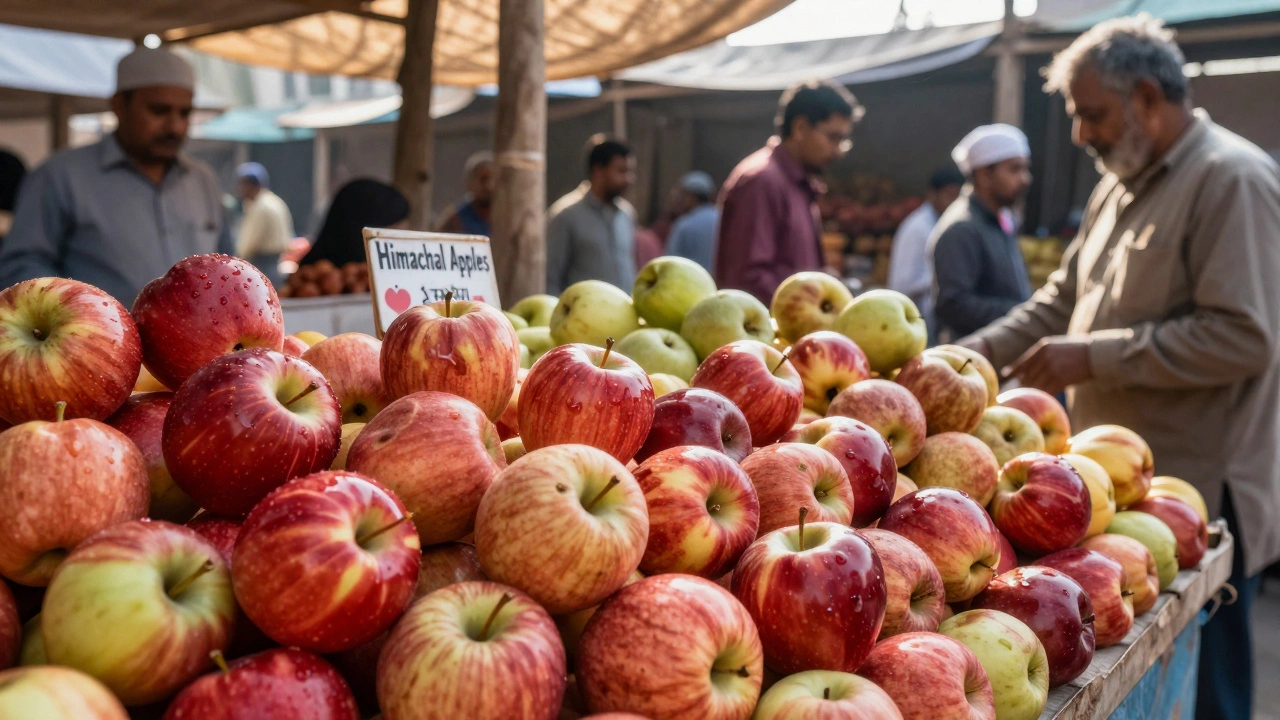
The Himalayan apple orchards, high-altitude farms where cold winters and clean air create ideal growing conditions for slow-ripening fruit are a quiet but vital part of rural economies. Unlike commercial orchards elsewhere, many of these are small family-run plots, passed down through generations. The apples here are often smaller, with thicker skin and more intense flavor, perfect for drying, pickling, or cooking down into jams. You won’t find them in big supermarkets often, but if you visit local markets in Manali or Srinagar, you’ll see them stacked in baskets, sold by weight, sometimes still with leaves attached. These apples don’t need long-distance shipping—they’re part of a local food cycle that’s been unchanged for decades.
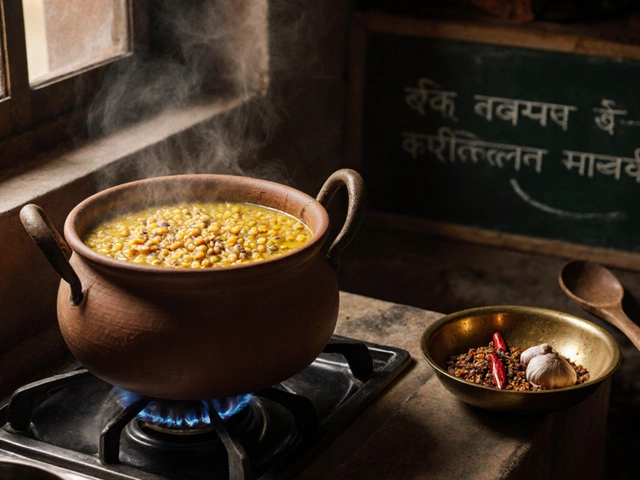
Traditional Indian apple recipes, dishes where apples are cooked with spices like cardamom, cinnamon, and cloves instead of being eaten plain are still alive in Kashmiri and Himachali homes. Think of apple halwa, where grated apples simmer with ghee, sugar, and nuts until they turn into a rich, spiced pudding. Or apple chutney with red chili and mustard seeds, served alongside roti or paratha. Even in modern kitchens, Indian apples are preferred for baking because they hold their shape better than softer imported ones. They’re also used in festive dishes during Diwali and Eid, where their natural sweetness balances spicy or salty flavors.
What makes Indian apples different isn’t just where they grow—it’s how they’re used. While Western cultures treat apples as snacks or desserts, in India they’re ingredients. You’ll find them in rice dishes in Kashmir, in sweetened yogurt in Himachal, and even fried as fritters in some villages. They’re not a luxury. They’re a staple, just like lentils or rice. And because they ripen in late autumn, they’re one of the few fresh fruits available before winter sets in.
There’s no single variety called "Indian apple." Instead, there are several local types: the famous Shimla Apple, the small, tart Kullu Apple, the deep-red Kashmiri Apple, and the lesser-known Uttarakhand variety. Each has its own texture and flavor profile. If you’ve ever bitten into an apple that felt more complex than the ones you get at the grocery store, chances are it was one of these.
Below, you’ll find real recipes, tips, and stories from people who cook with these apples every day. You’ll learn how to pick them, store them, and turn them into meals that taste like home—even if you’ve never been to the hills.