Apple Safety Risk Checker
Answer these questions based on your apple purchase to determine safety risk:
- Origin: Where are the apples from?
- Appearance: Do they look unnaturally shiny or flawless?
- Washing: How do you clean them?
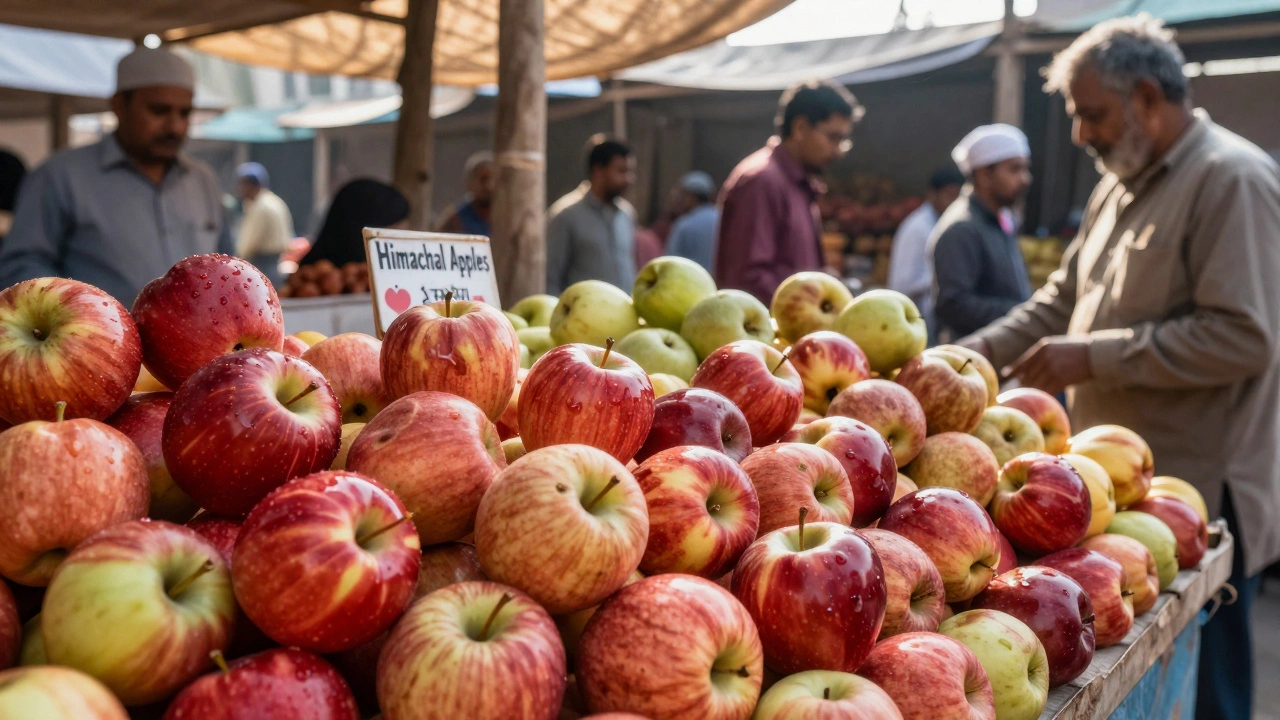
Every year, millions of people in India buy apples without a second thought. You see them in grocery stores, street stalls, and even in school lunchboxes. But if you’ve ever wondered whether those shiny red apples are truly safe to eat, you’re not alone. With headlines about pesticide residues and imported fruit, it’s easy to feel confused. The truth? Apples in India are generally safe to eat - but only if you know how to pick and prepare them right.
Where do apples in India actually come from?
Most apples sold in India aren’t grown locally. Around 80% come from the Himalayan regions - Jammu & Kashmir, Himachal Pradesh, and Uttarakhand. These areas have the cool climate apples need. The rest are imported, mostly from China, the U.S., and Turkey. Chinese apples make up the largest share of imports, especially during off-seasons when local harvests are low.
Local apples like Red Delicious, Golden Delicious, and Granny Smith are common. Imported ones often include Fuji and Gala. The difference? Local apples are usually harvested in late summer to early winter and sold fresh. Imported apples sit in cold storage for months and are treated with chemicals to keep them firm and fresh-looking.
Are pesticides a real concern?
Yes, pesticides are used - but not as wildly as some fear. A 2023 study by the Food Safety and Standards Authority of India (FSSAI) tested over 1,200 apple samples from markets across 15 states. Results showed that 92% of apples met safety limits for pesticide residues. That means only 8% had levels above the legal threshold. Most of those were imported apples, especially from China.
The biggest offenders? Chlorpyrifos and carbendazim - chemicals banned in the EU and U.S. but still allowed in India at low levels. These aren’t found in every apple, but they show up more often in apples that look too perfect - unnaturally shiny, no blemishes, and priced unusually low.
How to pick safe apples in India
Not all apples are created equal. Here’s how to choose safer ones:
- Go for local, seasonal apples. If it’s October to January, you’re in luck. That’s when Kashmiri apples hit the market. They’re fresher, less likely to be chemically treated, and often cheaper.
- Avoid glossy, flawless apples. If an apple looks like it was polished, it’s probably coated with wax and sprayed with post-harvest fungicides. Natural apples have slight blemishes or uneven coloring.
- Check the sticker code. A 4-digit code (like 4131) means conventionally grown. A 5-digit code starting with 9 (like 94131) means organic. Skip the ones with 8-digit codes - those are genetically modified, and you won’t find them in Indian markets anyway.
- Buy from trusted vendors. Farmers’ markets, organic stores, or cooperatives like Mother Dairy or Nandini often test their produce. Chain supermarkets like Big Bazaar or Reliance Fresh are hit or miss - they follow rules, but enforcement varies.
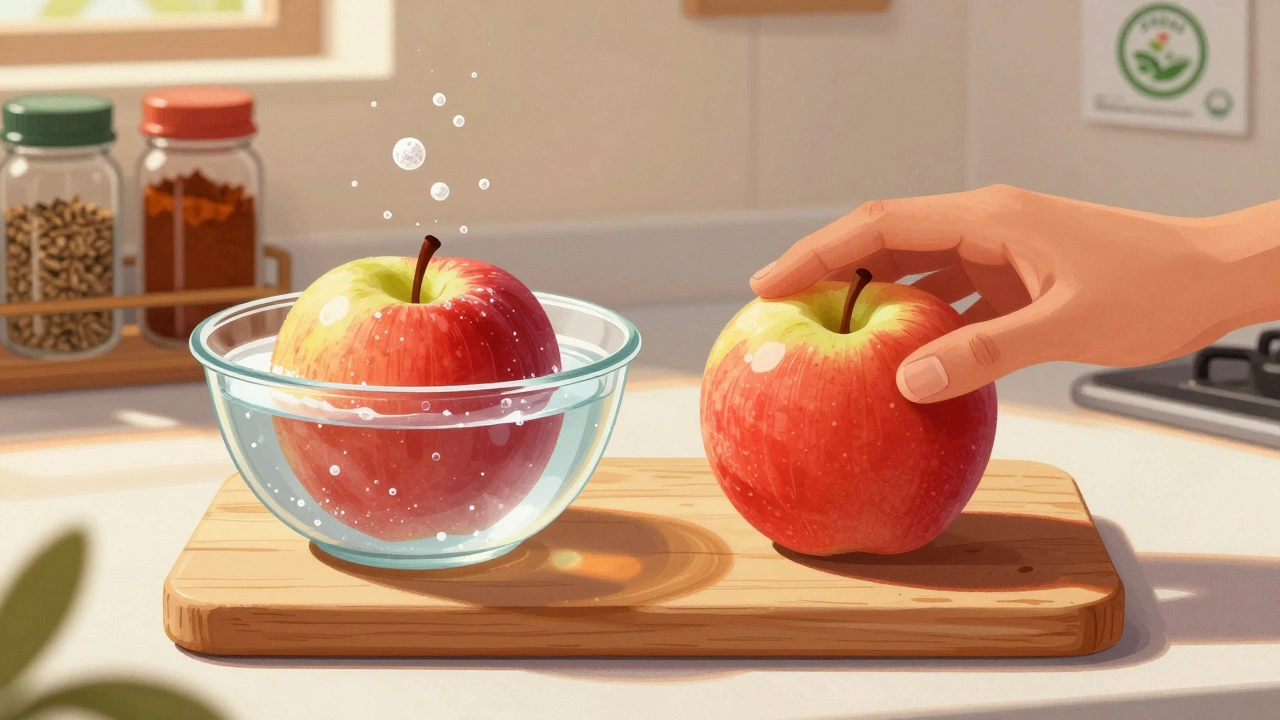
Washing apples isn’t enough - here’s what actually works
Just rinsing under water removes surface dirt but not pesticides or wax. A 2020 USDA study found that soaking apples in a baking soda solution for 12 to 15 minutes removes up to 96% of surface pesticides. Here’s how to do it:
- Fill a bowl with cold water.
- Add one teaspoon of baking soda per cup of water.
- Soak apples for 15 minutes.
- Rub gently with your fingers - don’t scrub hard.
- Rinse under running water for 30 seconds.
Don’t use vinegar or bleach. Vinegar doesn’t break down pesticides well, and bleach is dangerous if not rinsed perfectly. Salt water? It helps with dirt, but not chemicals.
Peeling removes even more residue - but you lose fiber, antioxidants, and flavor. The skin has 60% of the apple’s polyphenols. So washing properly is better than peeling - unless you’re feeding toddlers or someone with a weak immune system.
Who should be extra careful?
Some people need to take more precautions:
- Children under 5 - their bodies process toxins slower. Wash thoroughly or peel.
- Pregnant women - avoid apples with unknown origins. Stick to organic or trusted local sources.
- People with allergies - apple allergies are rare but can be triggered by pollen residues or wax. If you get mouth itching after eating apples, try peeling or cooking them.
- People on medication - apples can interact with blood thinners like warfarin due to vitamin K content. Talk to your doctor if you eat apples daily.

What about organic apples in India?
Organic apples exist - but they’re harder to find and cost 30-50% more. Look for the FSSAI Organic mark or the India Organic logo (a green circle with a leaf). Brands like Nature’s Basket, True Elements, and Happy Belly sell certified organic apples in metro cities.
Don’t fall for “natural” or “chemical-free” labels. Those aren’t regulated terms in India. Only certified organic means the apples were grown without synthetic pesticides, fertilizers, or GMOs.
How apples fit into Indian meals
Apples aren’t just snacks. In many Indian homes, they’re used in cooking:
- Apple chutney - sweet and tangy, perfect with parathas or dosas.
- Apple in kheer - diced apples added to rice pudding for a fruity twist.
- Apple and carrot salad - grated with lemon, cumin, and chaat masala.
- Apple in curries - some Kashmiri recipes use apples in lamb curries for natural sweetness.
These dishes don’t just taste good - they help you eat apples safely. Cooking breaks down some pesticide residues and makes nutrients easier to absorb.
Bottom line: Yes, you can eat apples in India - just be smart
Apples in India aren’t dangerous. But they’re not risk-free either. The key is knowing where they come from, how to wash them, and when to choose organic. Most people eat apples daily without issues. With simple steps - buying local, washing with baking soda, avoiding glossy imports - you can enjoy apples safely, whether you’re snacking, baking, or adding them to your morning porridge.
If you’re unsure, ask your vendor: “Kahan se aaye ye seb?” (Where did these apples come from?). If they hesitate or don’t know, find another source. Your health is worth a little extra effort.
Are apples from China safe to eat in India?
Apples from China are more likely to have higher pesticide residues than Indian-grown apples. A 2023 FSSAI study found that imported apples, especially from China, were three times more likely to exceed safety limits. If you eat them, wash them with baking soda and avoid those that look unnaturally shiny. Opt for Indian apples when in season - they’re fresher and safer.
Can I eat apple skin in India?
Yes, but only if you wash them properly. The skin holds most of the fiber and antioxidants, but also most of the pesticide residue. Soaking in baking soda for 15 minutes removes up to 96% of surface chemicals. Peeling removes residue too, but you lose nutrients. For kids, elderly, or pregnant women, peeling is the safest choice.
Do organic apples taste better?
Not necessarily. Taste depends more on variety and ripeness than whether it’s organic. A ripe, locally grown conventional apple often tastes sweeter than an underripe organic one. Organic apples may have more natural tartness and less wax, which some people prefer. But flavor is subjective - try both and decide for yourself.
Is wax on apples harmful?
The wax on apples is usually food-grade and safe - made from beeswax, shellac, or plant-based materials. It’s used to keep moisture in and extend shelf life. But it can trap pesticide residues underneath. Washing with baking soda removes both the wax and the chemicals trapped under it. Don’t worry about the wax itself - worry about what’s hidden under it.
Can I give apples to my baby?
Yes, but only after 8 months and only if prepared safely. Peel the apple, cook it until soft, and mash it. Avoid raw apple slices - they’re a choking hazard. For residue concerns, use organic apples or wash conventionally grown ones with baking soda. Always introduce one new food at a time and watch for reactions.
If you’re making apple chutney or adding apples to your daily meals, knowing how to handle them properly makes all the difference. You don’t need to avoid apples - just treat them like you would any other food: clean, informed, and mindful.