Why India Is Predominantly Vegetarian: History, Culture, and Cuisine
Explore the blend of religion, climate, history, and policy that makes India one of the world's most vegetarian societies, with clear examples and a useful FAQ.
When you think of India vegetarianism, the widespread, deeply rooted practice of avoiding meat in daily meals across India, often tied to religious, cultural, and economic reasons. Also known as Indian plant-based eating, it's not just a diet—it's a way of life that shapes everything from street food to family dinners. More than 400 million people in India follow a vegetarian diet. That’s more than the entire population of the United States. And it’s not because they’re following a trend. It’s because for centuries, religion, economics, and tradition have made plant-based food the default, not the exception.
This isn’t about skipping meat because it’s trendy. It’s about vegetarian Indian dishes, a rich, diverse collection of meals built entirely from lentils, vegetables, dairy, and grains, with complex flavors that don’t need meat to shine. Think dal tadka, chana masala, paneer butter masala, and dosa—dishes that are flavorful, filling, and deeply satisfying without a single piece of meat. These meals aren’t side notes in Indian cooking. They’re the main event. And they’re not bland. They’re spiced, layered, and often cooked with techniques passed down for generations. The same spices that flavor a chicken curry—cumin, turmeric, coriander, cardamom—are used to turn lentils and vegetables into something unforgettable.
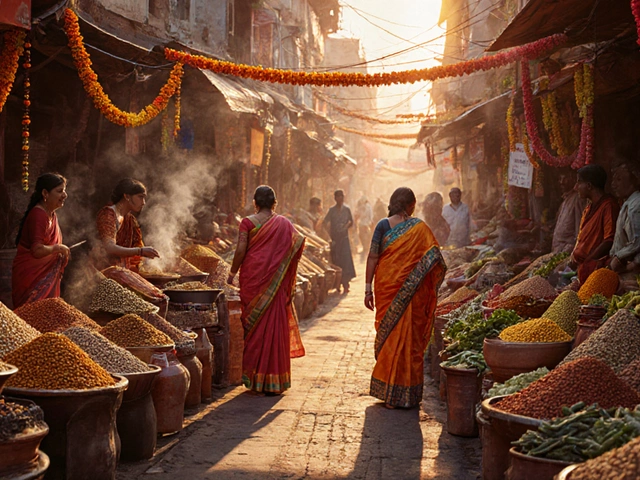
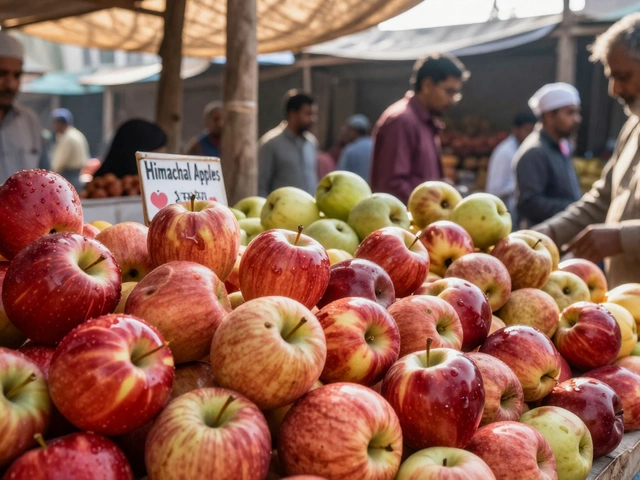
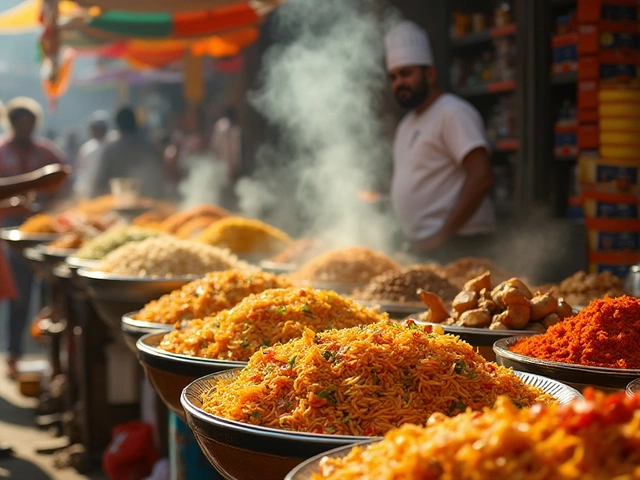
It’s also about plant-based diet India, a cultural system where dairy, legumes, and seasonal produce form the backbone of nutrition, supported by religious beliefs like ahimsa (non-violence) and practical realities like cost and availability. In many parts of India, meat isn’t just avoided—it’s rarely even an option at home. Grocery shelves are stocked with lentils, rice, ghee, and vegetables. Street vendors sell pani puri, samosas, and vada pav. Even in cities, a vegetarian meal is the default choice at most restaurants. And it works. People get enough protein from paneer, lentils, and yogurt. They get fiber from whole grains and vegetables. They get flavor from spices that have been perfected over centuries.
What makes this different from vegan or vegetarian movements elsewhere is how normal it is. You don’t need to explain it. You don’t need to justify it. It’s just how food works here. And that’s why the recipes you’ll find below aren’t just ‘vegetarian alternatives’—they’re the real deal. From the perfect dosa oil to the best curry to order at a restaurant, every post here reflects how deeply plant-based eating is woven into daily life. You’ll learn why soaking dal matters, how to make paneer taste good without marinating it, and why roti has to be round. You’ll find out what makes Indian sweets sweet, why naan isn’t always the healthiest choice, and how to cook lentils so they’re creamy, not chalky. This isn’t about replacing meat. It’s about understanding a cuisine that never needed it in the first place.
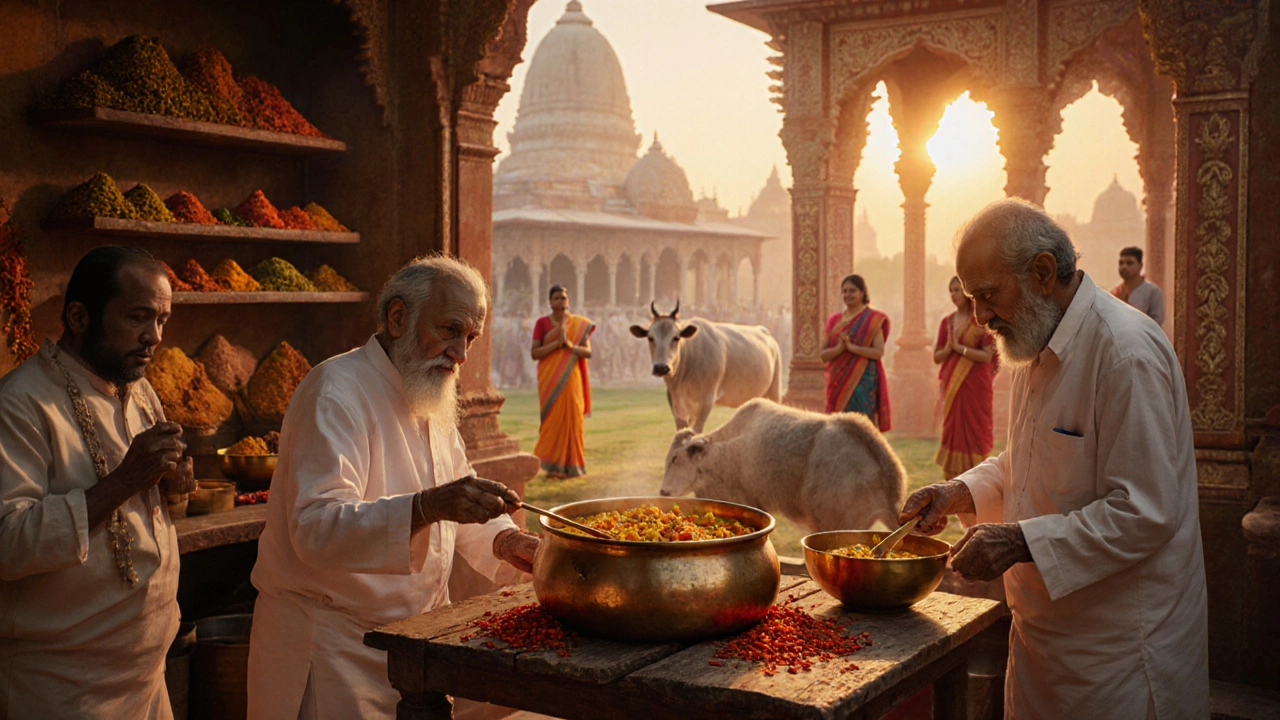
Explore the blend of religion, climate, history, and policy that makes India one of the world's most vegetarian societies, with clear examples and a useful FAQ.