Healthy Indian Dishes: Real Meals That Fuel Your Body Without Compromise
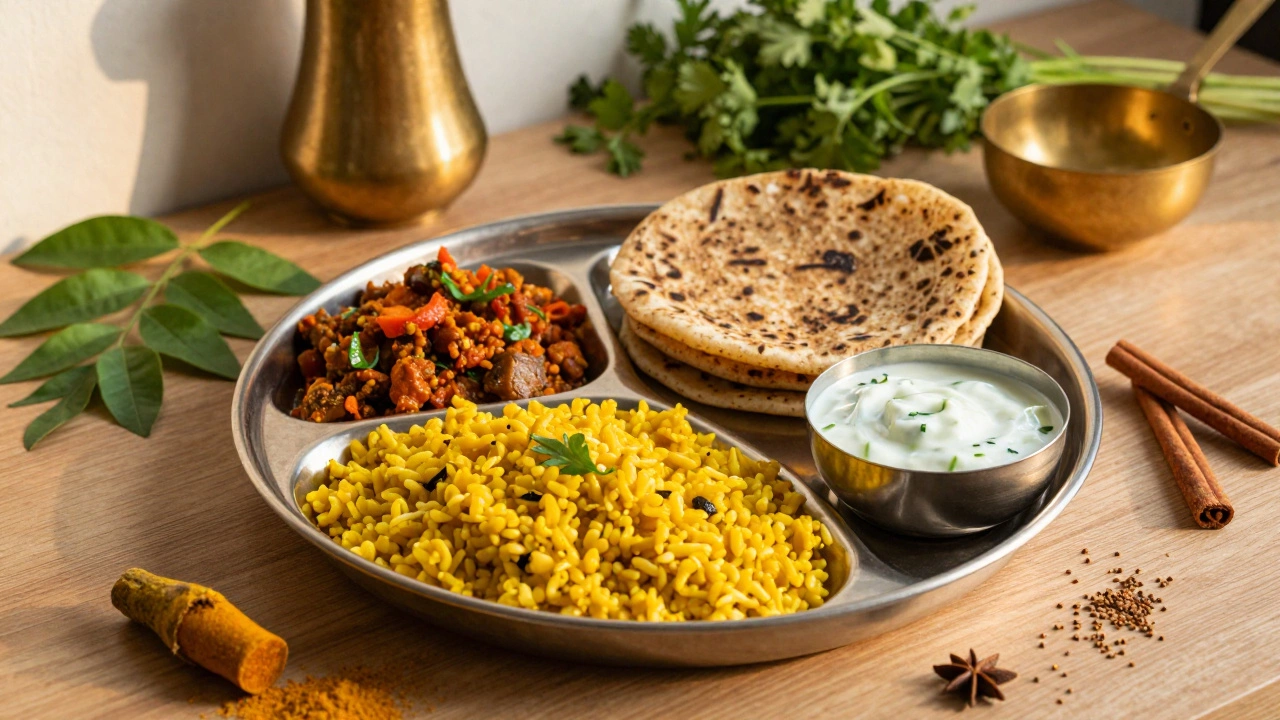
When people think of healthy Indian dishes, nutritious meals rooted in centuries of plant-based cooking and mindful spice use. Also known as traditional Indian home cooking, it’s not about avoiding flavor—it’s about using it wisely. Most Indian meals were never meant to be heavy. They were built on lentils, vegetables, whole grains, and spices that help digestion, lower inflammation, and keep energy steady all day. You won’t find butter chicken on this list because it’s not the norm—it’s the exception. The real everyday food? Dal tadka, steamed rice with roasted vegetables, tandoori chicken with yogurt marinade, and dosa made with fermented batter. These aren’t trendy. They’re timeless.
What makes these meals work isn’t just what’s in them—it’s how they’re made. lentils, protein-rich legumes that form the backbone of Indian meals. Also known as dal, they’re soaked, boiled, and tempered with cumin and garlic—not drowned in cream. tandoori cooking, a method using high-heat clay ovens to seal in flavor without added oil. Also known as char-grilled Indian proteins, it turns chicken, paneer, or veggies into smoky, juicy bites with zero frying. And then there’s fermented batter, the secret behind crispy dosas and soft idlis that aid gut health. Also known as natural probiotic food, it’s not just breakfast—it’s medicine. These aren’t fancy tricks. They’re old-school science. Indian grandmothers didn’t know about antioxidants, but they knew turmeric calmed bloating, mustard seeds boosted metabolism, and jaggery was better than sugar for steady energy.
What You’ll Find Here
This collection cuts through the noise. No more guessing if biryani is healthy or if naan is a trap. You’ll see which curries are actually low-calorie, which lentils digest easiest, how to pick the right oil for dosa, and why skipping yogurt rinse makes your tandoori chicken juicier. You’ll learn why paneer doesn’t need heavy sauces to taste good, and how to order smart at any Indian restaurant without reading the menu twice. These aren’t diets. They’re habits. Real ones. Made by people who’ve eaten this way for generations. You don’t need to go vegan. You just need to know what to eat—and what to skip.