Cooking Biryani: How to Make Perfect Biryani with Pro Tips and Traditional Techniques
When you're cooking biryani, a layered rice dish with meat, spices, and saffron that’s central to Indian festive meals. Also known as biryani rice, it’s not just a meal—it’s a ritual that balances aroma, texture, and time. Most people think it’s about tossing ingredients into a pot and waiting. But real biryani? It’s built—layer by layer, spice by spice, patience by patience.
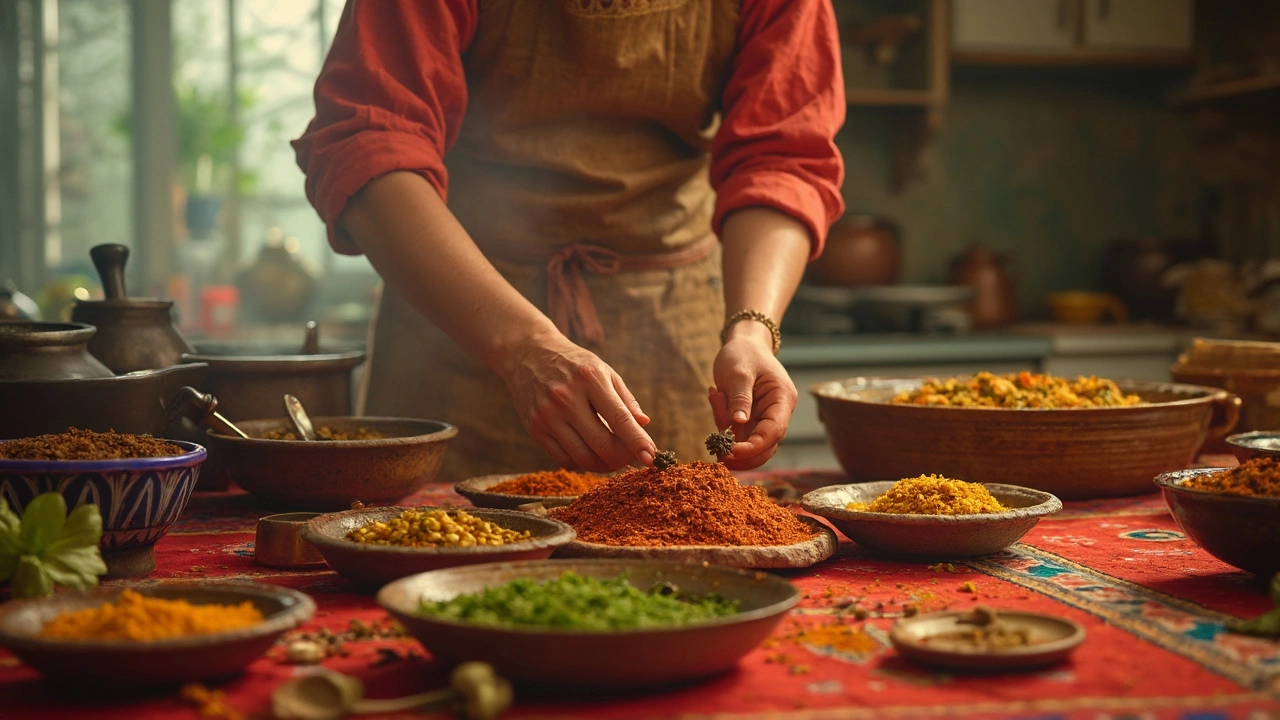
What makes biryani different from regular rice and curry? It’s the biryani spices, a blend of whole spices like cardamom, cloves, and bay leaves, toasted to unlock deep flavor. You don’t just add them—you bloom them in oil, then let them infuse into the rice. Then there’s the perfect biryani, defined by fluffy, separate grains, tender meat, and a hint of saffron that doesn’t overwhelm. That doesn’t happen by accident. It comes from soaking the rice just right, marinating the meat long enough, and letting the pot rest after cooking so steam redistributes everything evenly.
And don’t skip the layering. The bottom layer of rice gets a sprinkle of fried onions and herbs. Then the meat, then more rice, then more herbs, then a final drizzle of saffron milk. Cover it tight, seal the lid with dough if you’re old-school, and let it slow-cook. This isn’t fast food. It’s slow magic.
Some think biryani needs fancy tools. It doesn’t. A heavy pot, a stove, and time are all you need. Others think you need to use expensive basmati. You do—but not the kind you buy in bulk at the supermarket. Look for aged, long-grain basmati that smells like popcorn when you open the bag. That’s the real deal.
There’s no single way to make biryani. Hyderabadi biryani is spicy and bright. Lucknowi is soft and subtle. Kolkata biryani has potatoes and boiled eggs. But they all share the same soul: slow cooking, layered flavors, and respect for the process. If you rush it, you’ll taste the difference.
That’s why the posts below aren’t just recipes. They’re lessons from people who’ve made biryani for decades. You’ll find out how to fix dry rice, why you shouldn’t rinse the rice after soaking, how to get that signature golden crust on the bottom, and why resting the pot for 20 minutes after turning off the heat isn’t optional—it’s essential.
Whether you’re making biryani for the first time or trying to fix the same mistake you’ve made five times before, this collection gives you the exact steps, the real reasons behind them, and the little tricks that separate good biryani from the kind people ask for seconds on.