Tikka Masala vs. Curry Identifier
What makes Tikka Masala special?
Tikka masala isn't just "curry" - it's a distinct dish with specific characteristics. Use this tool to determine if your dish matches Tikka Masala or another curry type.
Check characteristics of your dish:
Your dish will appear here
Select characteristics and click "Identify Dish"
People often say "tikka masala is just curry" like it’s a casual observation. But if you’ve ever tasted both side by side, you know that’s not true. It’s like calling a latte just coffee. Sure, they’re related-but the details matter. Tikka masala isn’t a catch-all term for anything spicy and saucy. It’s its own dish with a specific history, texture, and flavor profile. And if you’re cooking vegetarian Indian food at home, mixing them up can ruin your meal.
What Is Tikka Masala, Really?
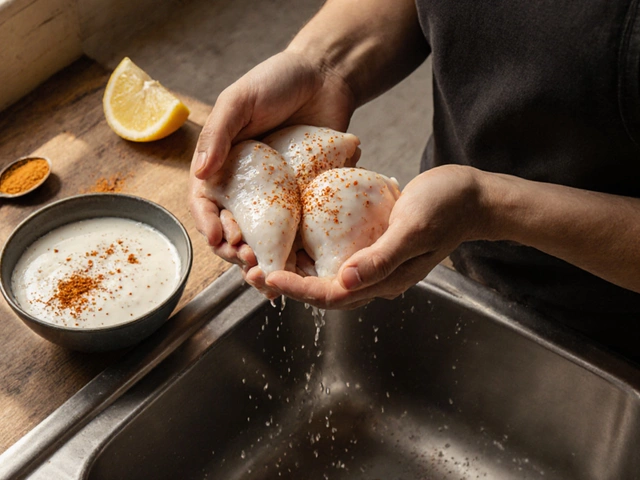
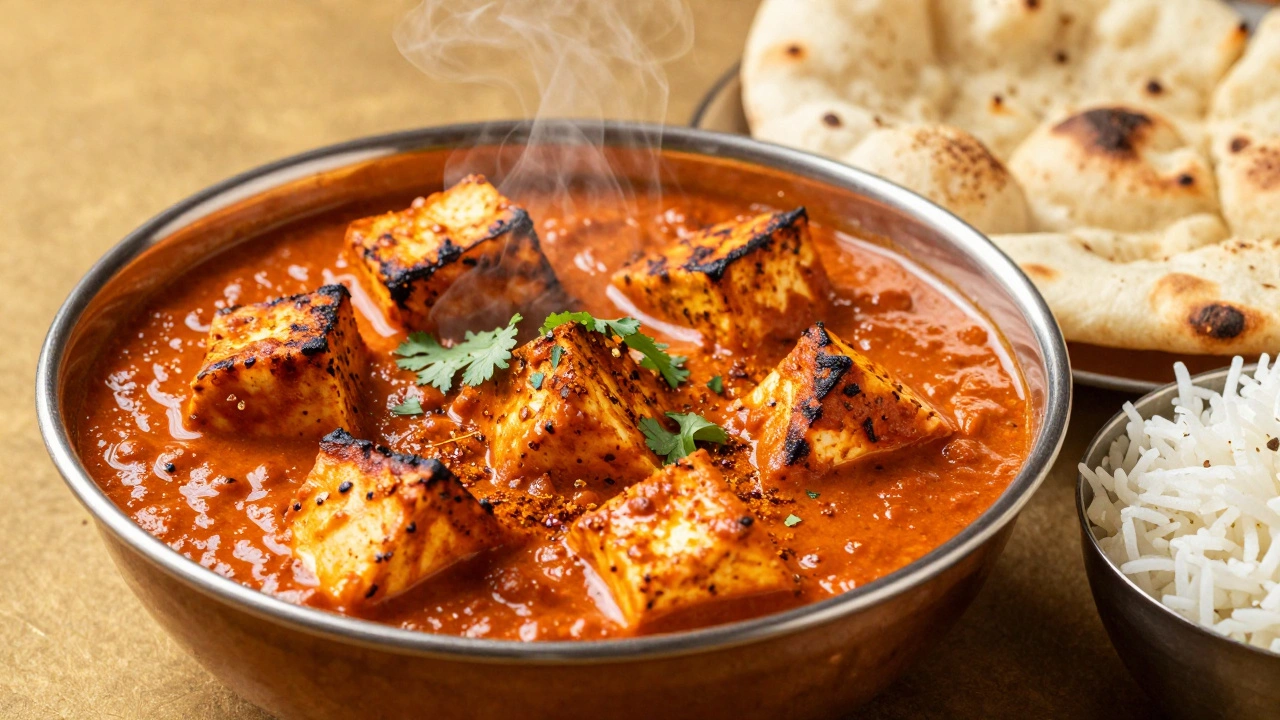
Tikka masala starts with tikka-chunks of marinated meat or paneer grilled over charcoal. That’s the first clue: it’s not a stew. The tikka pieces are cooked separately, then tossed into a rich, creamy sauce. The sauce? It’s made from tomatoes, cream, butter, garlic, ginger, and a blend of spices like garam masala, cumin, and paprika. It’s not spicy-hot like some curries. It’s warm, rounded, and velvety. The color? Bright orange-red, thanks to Kashmiri chilies or paprika, not chili powder.
Paneer tikka masala is one of the most popular vegetarian versions. The paneer holds its shape, absorbs the sauce, and gives you that satisfying bite. It’s not boiled or simmered for hours. The sauce is cooked down, then the grilled pieces are added at the end to keep them tender. That’s why restaurant versions taste different from home-cooked curries-they’re built in layers, not blended together.
What Counts as Curry?
"Curry" is one of those words that means almost nothing on its own. In India, there’s no single dish called "curry." The word comes from the Tamil word "kari," meaning sauce. So technically, any spiced sauce with vegetables, lentils, or meat could be called a curry. But in practice, it’s used loosely outside India to describe any thick, spiced Indian sauce.
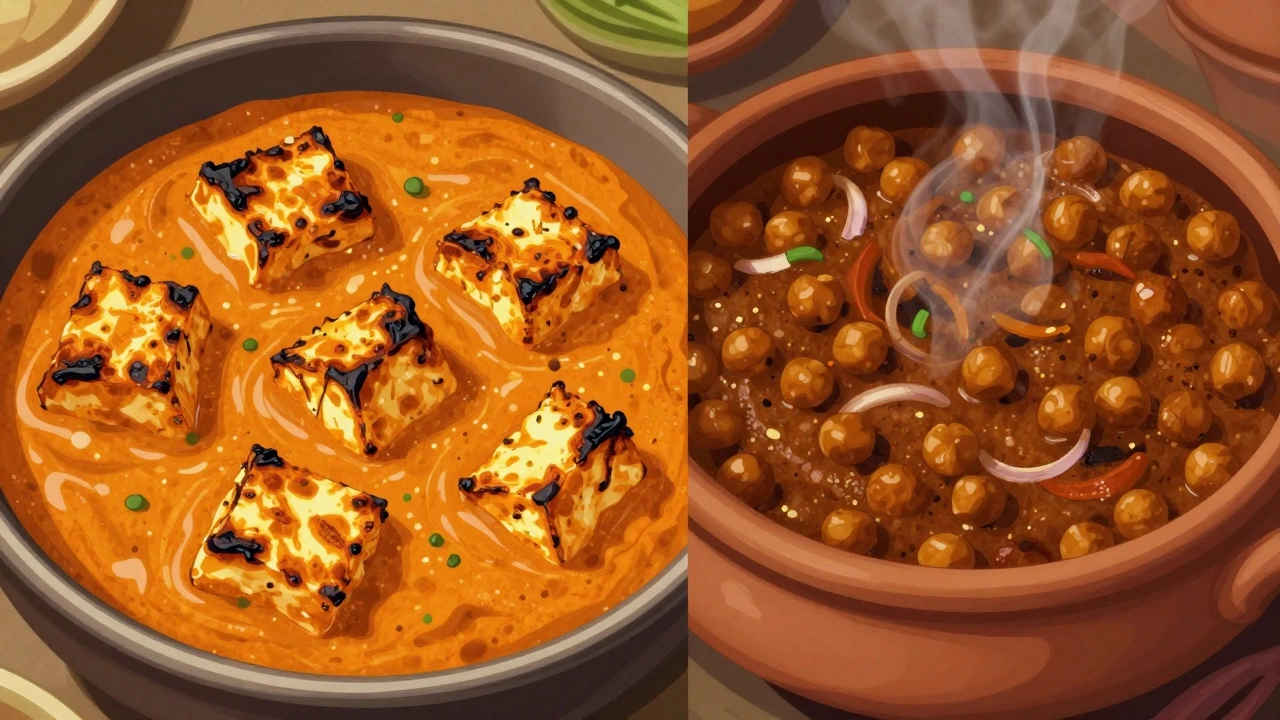
Real Indian curries vary wildly. A North Indian chana masala is dry, tangy, and full of chickpeas with amchoor and black salt. A South Indian sambar is a thin, tamarind-based lentil stew with vegetables and mustard seeds. A Bengali shukto is bitter, herbal, and almost medicinal. None of these have cream, butter, or tomato paste. None are orange. None are served with grilled chunks.
So when someone says "curry," they’re probably thinking of a slow-simmered sauce with onions, garlic, ginger, and ground spices like turmeric, coriander, and cumin. That sauce might be served over rice or with roti. It’s often cooked from scratch in one pot. That’s not tikka masala. That’s a different kind of dish entirely.
Why People Confuse Them
The confusion started in the UK in the 1950s. Indian immigrants opened restaurants to serve British soldiers and workers who had tasted Indian food during colonial times. The British wanted something familiar-something warm, saucy, and not too spicy. So chefs created dishes that fit that mold. Tikka masala was invented in Glasgow, not Delhi. It became the most popular dish in British Indian restaurants.
Because it was so popular, the term "curry" got slapped onto everything. Tikka masala, butter chicken, rogan josh, vindaloo-all got called "curry" on menus. Even today, you’ll see "vegetable curry" on a menu that’s actually a tomato-based sauce with peas and potatoes. It’s not wrong, but it’s imprecise. And if you’re trying to understand Indian food, precision matters.
When you order "curry" at a restaurant in Cape Town, London, or Toronto, you’re likely getting a version of tikka masala. That’s the default. But that doesn’t make them the same thing. It just means the world adopted one dish as the face of Indian cuisine.
How to Tell Them Apart in Your Kitchen
If you’re cooking at home, here’s how to spot the difference:
- Texture: Tikka masala has chunks of grilled paneer or vegetables floating in a thick, glossy sauce. Curry is usually smooth, with ingredients fully broken down or softened.
- Color: Tikka masala is bright orange-red. Most traditional curries are yellow (turmeric), brown (onions), or deep red (chilies), but rarely that vivid orange.
- Fat content: Tikka masala uses butter and cream. Most curries use oil or ghee, and rarely dairy.
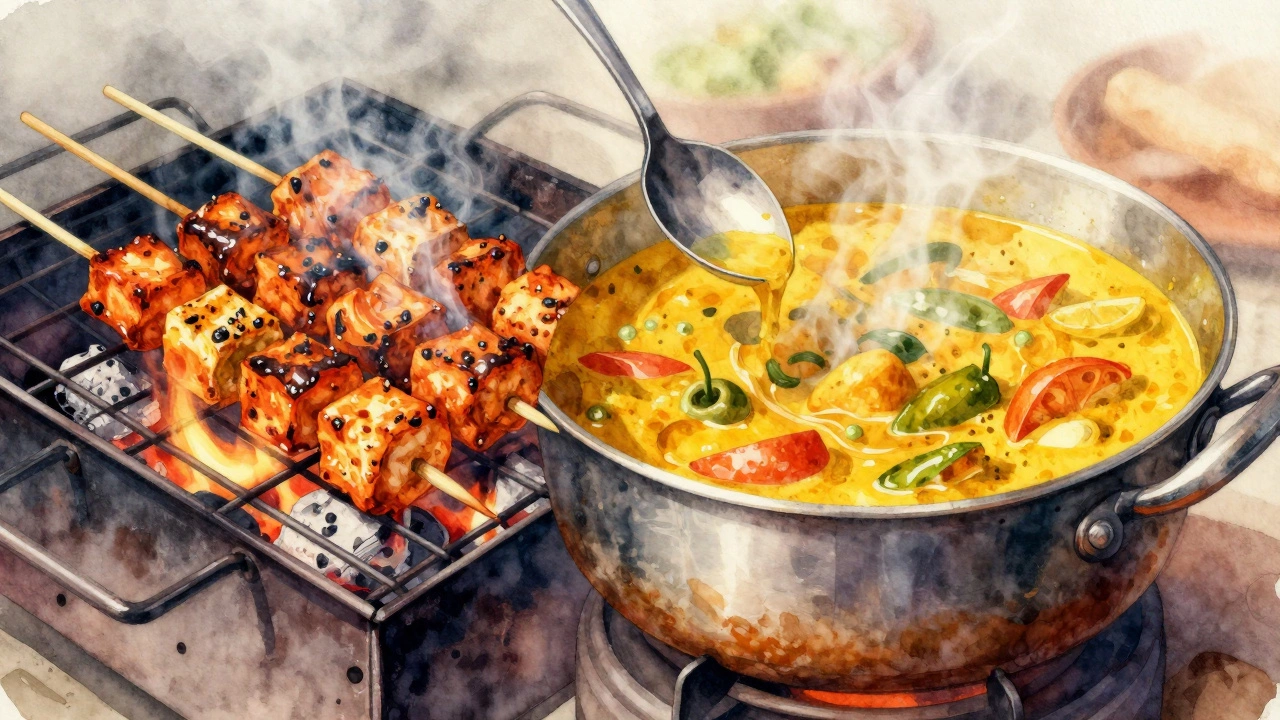
- Preparation: Tikka masala requires grilling the main ingredient first. Curry is one-pot cooking.
- Flavor: Tikka masala is creamy, sweet, and mildly spiced. Curry is more complex-earthy, tangy, or sharp, depending on the region.
Try this test: make a simple paneer curry with onions, tomatoes, turmeric, cumin, and coriander. Simmer until soft. Then make paneer tikka masala: marinate paneer in yogurt and spices, grill it, then stir into a sauce of tomato, cream, and garam masala. Taste them side by side. One is layered and smoky. The other is earthy and homely. They’re both delicious-but they’re not the same.
What Happens When You Substitute One for the Other?
Let’s say you’re out of tikka masala sauce and try to use your leftover chicken curry instead. You’ll end up with something that tastes flat. The creaminess is missing. The smokiness is gone. The sauce might be too thin. The texture won’t hold up. You’ll be disappointed.
Or worse-someone gives you a "vegetarian curry" recipe that calls for simmering paneer in a tomato-onion gravy for an hour. That’s not tikka masala. That’s paneer in gravy. The paneer will turn rubbery. The flavors won’t pop. You’ll wonder why your "tikka masala" tastes like boiled vegetables.
Indian cooking is built on technique, not just ingredients. Grilling changes the flavor. Cream changes the mouthfeel. Timing changes the texture. You can’t swap one for the other without losing what makes each special.
Why This Matters for Vegetarian Cooking
If you’re cooking vegetarian Indian food, you’re not just making "something spicy." You’re working with a system of flavors, textures, and methods that have been refined for centuries. Tikka masala is a modern invention, but it still follows traditional principles: sear for depth, balance for harmony, layer for complexity.
Vegetarian dishes like chana masala, aloo gobi, or baingan bharta all have their own rules. They don’t rely on cream. They don’t need grilling. They’re built on slow cooking, dry roasting, or tempering spices in oil. Tikka masala is the outlier-it’s rich, indulgent, and designed to please Western palates. That’s fine. But pretending it’s the same as other vegetarian curries misunderstands the whole tradition.
When you learn to distinguish them, you start to see Indian food for what it really is: not one dish, but hundreds. Each has its own soul. Tikka masala is one of them. It’s not the whole story.
What to Cook Next
If you loved tikka masala and want to explore more, try these:
- Paneer butter masala-similar to tikka masala but without grilling. The paneer is fried, not grilled, and the sauce is even richer.
- Chana masala-a dry, tangy chickpea curry with amchoor and black salt. No cream. No butter. Pure flavor.
- Aloo gobi-potatoes and cauliflower cooked with turmeric, cumin, and coriander. Served with naan. Simple, satisfying.
- Palak paneer-spinach and paneer in a creamy, spiced sauce. Often mistaken for tikka masala, but the base is spinach, not tomato.
Each of these has its own identity. None of them are "curry." And none of them are tikka masala.
Is tikka masala the same as butter chicken?
No. Butter chicken starts with tandoori chicken-grilled in a clay oven-then simmered in a tomato, butter, and cream sauce. Tikka masala uses grilled paneer or chicken pieces tossed into a sauce that’s thicker and often spicier. Butter chicken is smoother and more buttery. Tikka masala has a more pronounced tomato and spice profile.
Can I make tikka masala without cream?
Yes, but it won’t be traditional. You can substitute coconut milk, cashew paste, or yogurt for cream. The texture will be different-thinner, tangier, or nuttier-but it’ll still work. The key is keeping the grilled paneer or vegetables and the tomato-based sauce. The cream is for richness, not flavor.
Why is tikka masala so orange?
The bright orange-red color comes from Kashmiri chilies or paprika, not artificial dye. Kashmiri chilies are mild but deeply colored. Many restaurants use food coloring to make it look more "authentic," but real versions rely on natural spices. If your tikka masala is neon orange, it’s probably not homemade.
Is tikka masala healthy?
Not really. The cream, butter, and sugar in the sauce make it high in calories and saturated fat. But it’s not all bad. Paneer gives you protein, tomatoes offer lycopene, and spices like turmeric have anti-inflammatory properties. Make it healthier by using less cream, swapping butter for ghee, and skipping the sugar. Serve it with brown rice or quinoa.
Can I use store-bought curry paste for tikka masala?
Not really. Curry paste is usually a blend of ground spices meant for simmering. Tikka masala needs fresh garlic, ginger, tomatoes, and a specific balance of garam masala and paprika. Store-bought paste will give you a flat, one-note flavor. It’s better to make the sauce from scratch-even if it takes 20 minutes.
Final Thought
Tikka masala isn’t curry. It’s a dish with its own story, its own rules, and its own place in Indian food. Calling it "just curry" is like calling a croissant just bread. It’s true, but it misses everything that makes it special. If you’re cooking vegetarian Indian food, take the time to learn the difference. Your taste buds will thank you.