Ancient Indian Sweet Explorer & Recipe Calculator
Click on the cards below to reveal historical details about India's oldest sweet dishes.
Laddu
The spherical symbol of prosperity found in ancient scriptures.
Why it's the oldest: Referenced in Vedas and Puranas. Made from simple ingredients like flour, ghee, and jaggery. Highly versatile across regions (Besan, Rava, Boondi).
Kheer
Creamy rice pudding mentioned in Sanskrit literature.
Ancient Roots: One of the earliest milk-based desserts. Originally made with honey or jaggery before sugar became widespread. Symbolizes purity and devotion.
Rasgulla
Spongy cottage cheese balls soaked in syrup.
Origin Debate: Claimed by both Bengal and Odisha. Likely evolved from earlier chenna (cottage cheese) preparations but gained its modern form during the medieval period.
Gulab Jamun
Fried dough balls soaked in rose-scented syrup.
Trade Influence: Evolved from 'Zlebia' brought by Arab traders. Became popular after refined sugar production increased significantly in later centuries.
Traditional Besan Laddu Calculator
Scale the authentic recipe for your gathering.
Ingredient List
Preparation Tip:
Roast besan on low flame until golden brown and aromatic (~10 mins) before adding ghee.
Imagine a dessert that has survived empires, wars, and centuries of culinary evolution. What if I told you that one of India’s oldest sweet dishes is not just a treat but a living artifact of our rich heritage? Today, we’re exploring the fascinating world of ancient Indian sweets to uncover which one holds the title of being the oldest.
The Historical Context of Indian Sweets
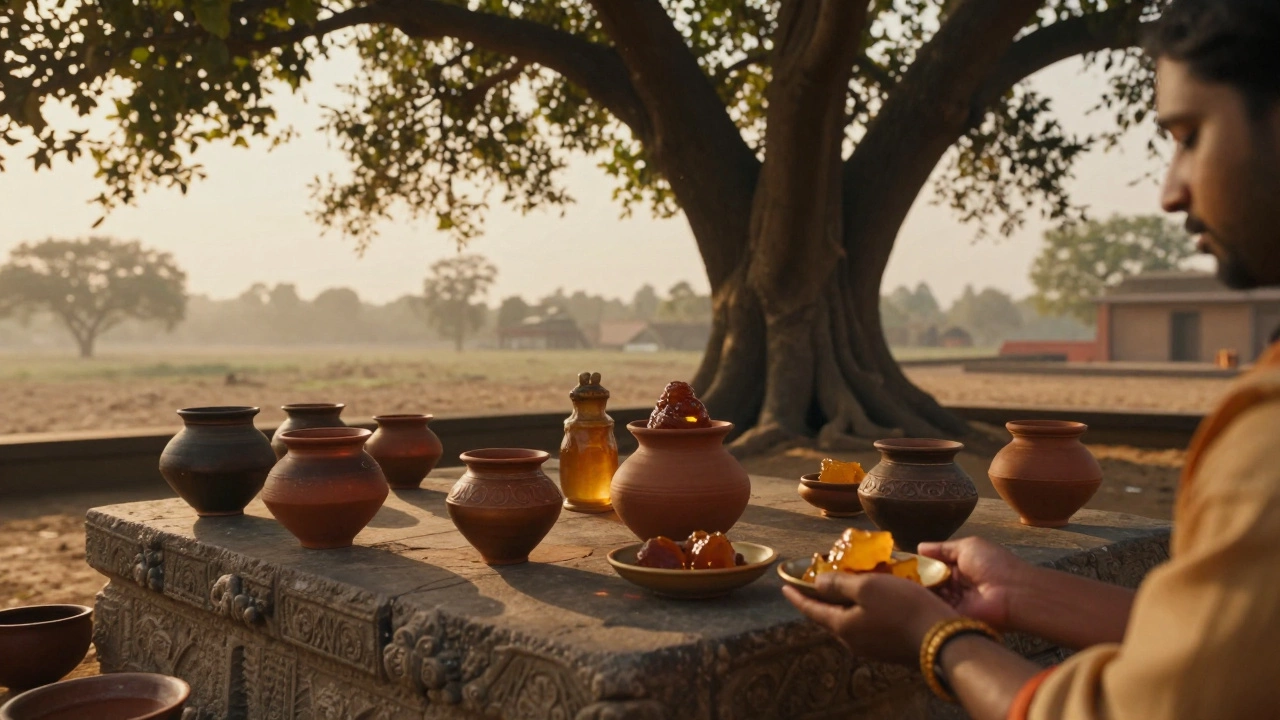
To understand the origins of Indian sweets, we need to look back thousands of years. The concept of sweetness in India dates back to the Vedic period, around 1500 BCE. During this time, honey and jaggery were primary sweeteners used in religious rituals and daily life. These natural sweeteners laid the foundation for what would become an elaborate tradition of Indian sweets, also known as mithai, which are deeply embedded in cultural practices.
As trade routes expanded, new ingredients like sugar cane entered the subcontinent. Sugar production became prominent during the Gupta Empire (320-550 CE), leading to the development of more complex desserts. This era marked a significant shift from simple honey-based concoctions to intricate recipes involving milk, nuts, and spices.
Candidates for the Title: Oldest Sweet Dish of India
Several contenders emerge when discussing the oldest sweet dish of India. Let’s explore some of the most notable ones:
- Gulab Jamun: While beloved today, gulab jamun likely originated much later, possibly influenced by Middle Eastern techniques brought through trade.
- Rasgulla: Often claimed as originating from Bengal or Odisha, its roots trace back to medieval times rather than antiquity.
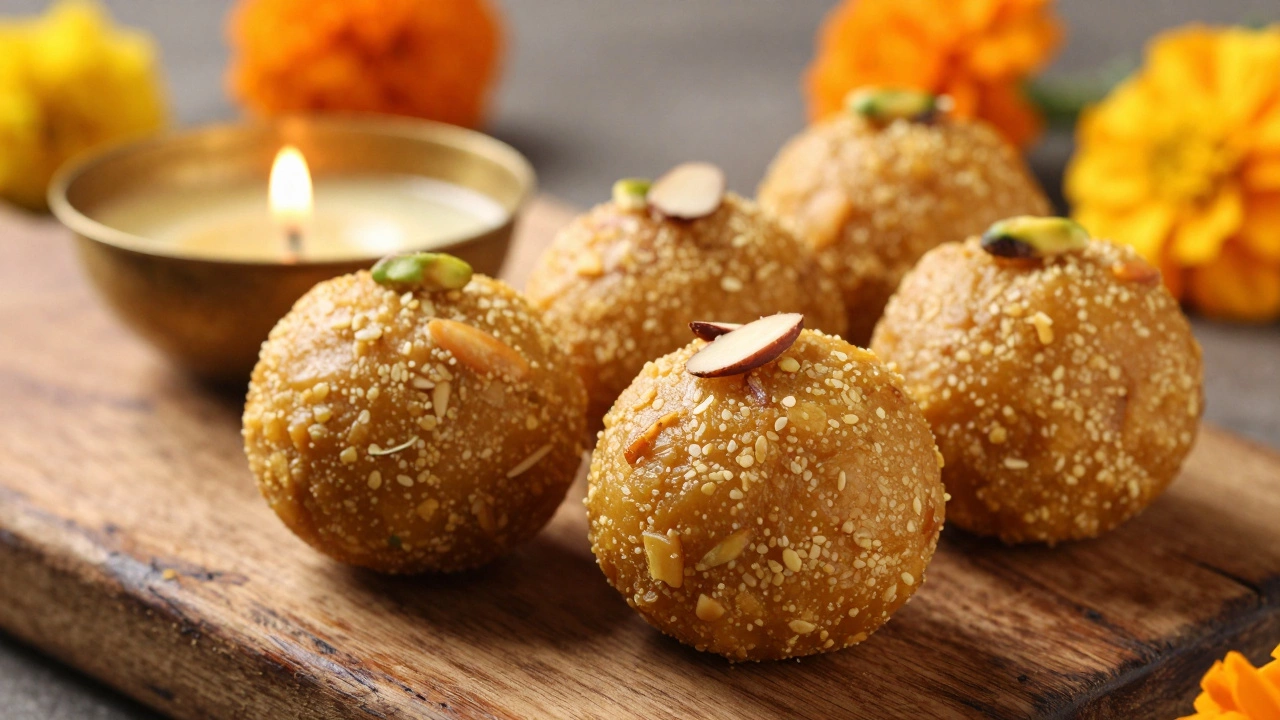
- Laddu: This spherical delight appears frequently in ancient texts and remains popular across regions. Its simplicity suggests it could be among the earliest forms of Indian sweets.
- Kheer: A creamy rice pudding made with milk and sugar, kheer is mentioned in Sanskrit literature dating back over two millennia.
Why Laddu Might Be the Answer
If we consider historical evidence and widespread usage, laddu stands out as a strong candidate for the title of the oldest sweet dish of India. Here’s why:
- Ancient References: Laddus are referenced in various Hindu scriptures, including the Vedas and Puranas. They were offered to deities during rituals, indicating their sacred status even in early civilizations.
- Simplicity: Made primarily from flour, ghee, and sugar/jaggery, laddus require minimal processing compared to other sweets. This simplicity aligns with the limited resources available in ancient times.
- Versatility: Different regions have adapted laddus using local ingredients-besan (gram flour) in Gujarat, boondi (fried chickpea batter balls) in Rajasthan, and rava (semolina) in South India. Such adaptability points to an enduring legacy spanning centuries.
The Role of Religion and Culture
In India, food isn’t just sustenance; it’s intertwined with spirituality and community bonding. Sweets play a pivotal role in festivals, weddings, and celebrations. For instance:
- Diwali features ladoos symbolizing prosperity.
- Holi sees people exchanging gujiya alongside colorful powders.
- Kartik Purnima involves preparing modaks dedicated to Lord Ganesha.
This deep connection between sweets and culture ensures their preservation across generations. Even modern innovations often draw inspiration from these timeless classics.
Modern Adaptations vs Traditional Recipes
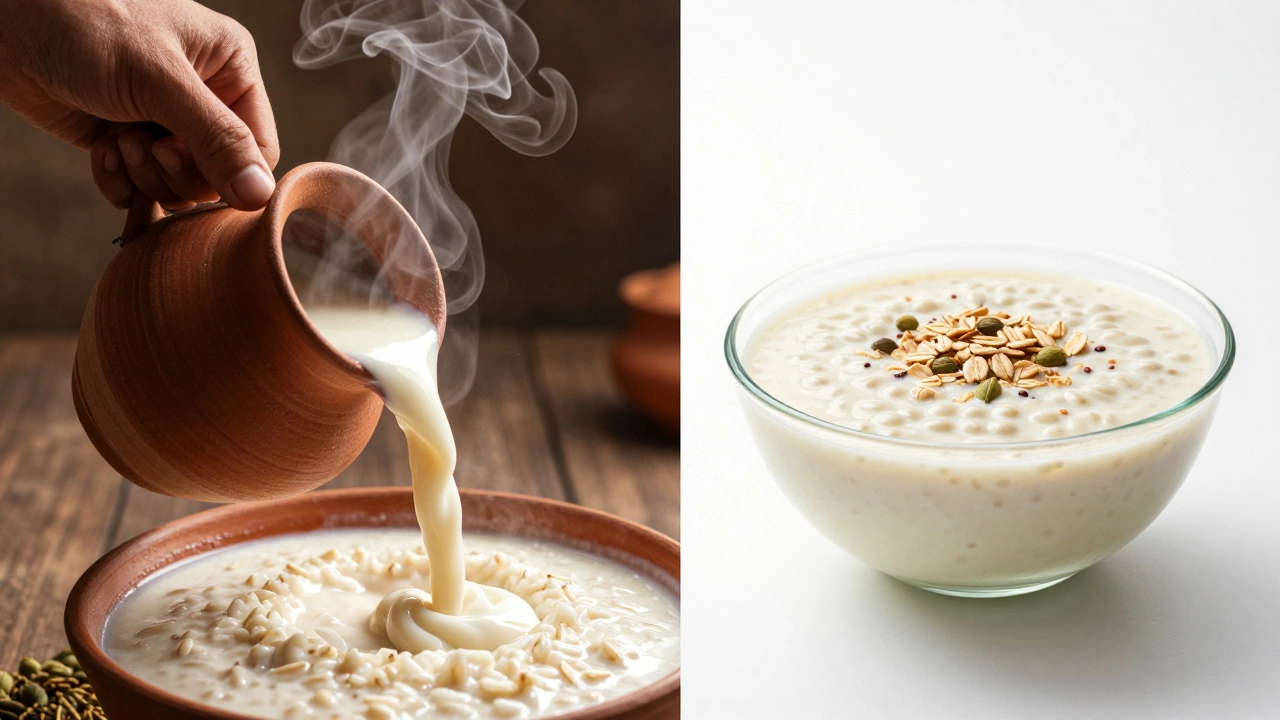
While traditional methods remain cherished, contemporary chefs experiment with fusion flavors and healthier alternatives. Consider how classic kheer now incorporates oats or quinoa instead of white rice, catering to health-conscious consumers without losing authenticity.
| Ingredient | Traditional Use | Modern Alternative |
|---|---|---|
| Milk | Fresh cow/buffalo milk | Almond/oat milk |
| Sweetener | Jaggery/honey | Stevia/maple syrup |
| Nuts | Whole almonds/cashews | Chopped walnuts/pistachios |
How to Make Authentic Laddu at Home
Want to experience the taste of history yourself? Try making besan laddus-a straightforward yet rewarding project perfect for beginners.
- Roast Besan: Heat gram flour on low flame until golden brown and aromatic (~10 mins).
- Add Ghee: Mix melted ghee into roasted besan while stirring continuously.
- Incorporate Sweetener: Add powdered sugar or crushed jaggery according to preference.
- Shape Into Balls: Once cooled slightly, press mixture firmly into round shapes.
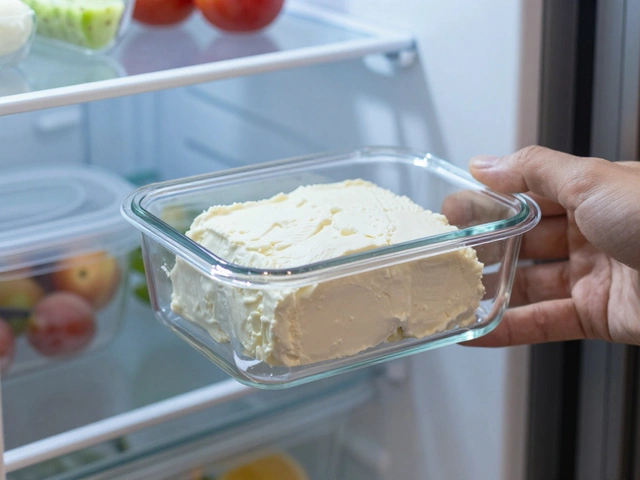
- Store Properly: Keep laddus in an airtight container away from moisture.
Preserving Heritage Through Food
Understanding the origins of dishes like laddu helps us appreciate not only their flavor but also their cultural significance. By continuing to prepare and share these recipes, we keep alive traditions passed down through countless generations.
So next time you savor a bite of your favorite Indian sweet, remember-you’re tasting history itself!
What makes laddu unique compared to other Indian sweets?
Laddu's uniqueness lies in its versatility and regional variations. Unlike many sweets tied to specific areas, laddus appear nationwide with distinct twists based on local ingredients.
Are there any vegetarian restrictions associated with traditional Indian sweets?
Most traditional Indian sweets are inherently vegetarian since they rely heavily on plant-based components such as grains, legumes, dairy products, and fruits.
Can I substitute jaggery with regular sugar in old-fashioned recipes?
Yes, though substituting may alter texture and flavor profiles subtly. Jaggery adds depth due to molasses content absent in refined sugars.
How long do homemade laddus last under proper storage conditions?
Homemade laddus typically stay fresh for up to two weeks if stored correctly in cool, dry places inside sealed containers.
Is there scientific research supporting claims about certain foods having medicinal properties?
Ayurvedic principles suggest benefits derived from consuming balanced diets incorporating herbs/spices found within many Indian sweets. However, rigorous clinical trials validating exact effects remain scarce.