Find Your Perfect Indian Curry Match
What are you craving?
Curry Name
Description goes here.
Side dish suggestion
Complete the form to find your perfect curry match!
Walk into any Indian restaurant in Cape Town, and you’ll notice something interesting. Half the table orders Butter Chicken, while the other half dives into a fiery bowl of Vindaloo. There is no single answer to "what is the tastiest Indian curry." Taste is deeply personal. However, some dishes have earned their fame for good reasons. They balance spice, texture, and flavor in ways that make them stand out globally.
If you are looking for an easy entry point into Indian cuisine, understanding these top contenders helps. You don’t need to be a chef to appreciate why these curries dominate menus worldwide. Let’s break down the heavy hitters and see which one might win your heart.
The Global Favorite: Butter Chicken
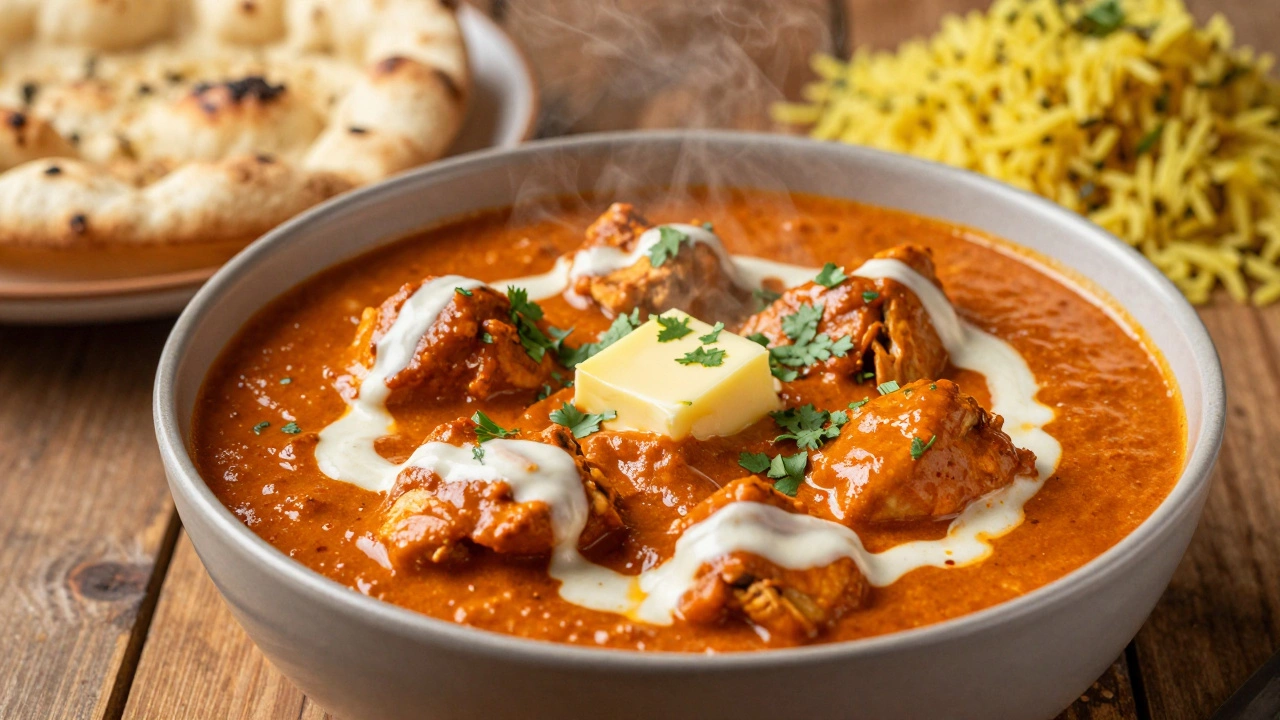
When people ask for the best Indian food, they often mean Butter Chicken (or Murgh Makhani). It was created in Delhi in the 1950s by Kundan Lal Gujral at Moti Mahal. The goal was simple: use leftover tandoori chicken and create a sauce that wasn't too spicy for Western palates.
Why does it taste so good? It’s all about the contrast. The sauce is rich, creamy, and slightly sweet from tomatoes and cream. The chicken is tender and smoky from the tandoor oven. It’s comforting. If you hate heat, this is your safe haven. It pairs perfectly with garlic naan or jeera rice. For beginners, it’s the ultimate gateway drug to Indian cooking.
- Flavor Profile: Creamy, tomato-based, mild heat.
- Key Ingredients: Yogurt-marinated chicken, butter, cream, kasuri methi (dried fenugreek leaves).
- Best Paired With: Garlic Naan or Basmati Rice.
The Spice Lover’s Dream: Vindaloo
On the opposite end of the spectrum sits Vindaloo. This dish has roots in Goa, a former Portuguese colony. The name comes from the Portuguese "carne de vinha d'alhos" (meat marinated in wine and garlic). Over time, Indians swapped wine for vinegar and added local spices like Kashmiri chilies and mustard seeds.
Vindaloo is not just hot; it’s complex. The vinegar cuts through the richness of the meat (usually pork or lamb), creating a tangy, sharp kick. It’s aggressive on the tongue but incredibly rewarding. If you love sweat-inducing meals that wake up your senses, this is the tastiest option for you. Just keep a glass of water nearby.
- Flavor Profile: Tangy, very spicy, savory.
- Key Ingredients: Red chilies, ginger, garlic, vinegar, fennel seeds.
- Best Paired With: Steamed rice to cool the palate.
The Vegetarian Champion: Palak Paneer
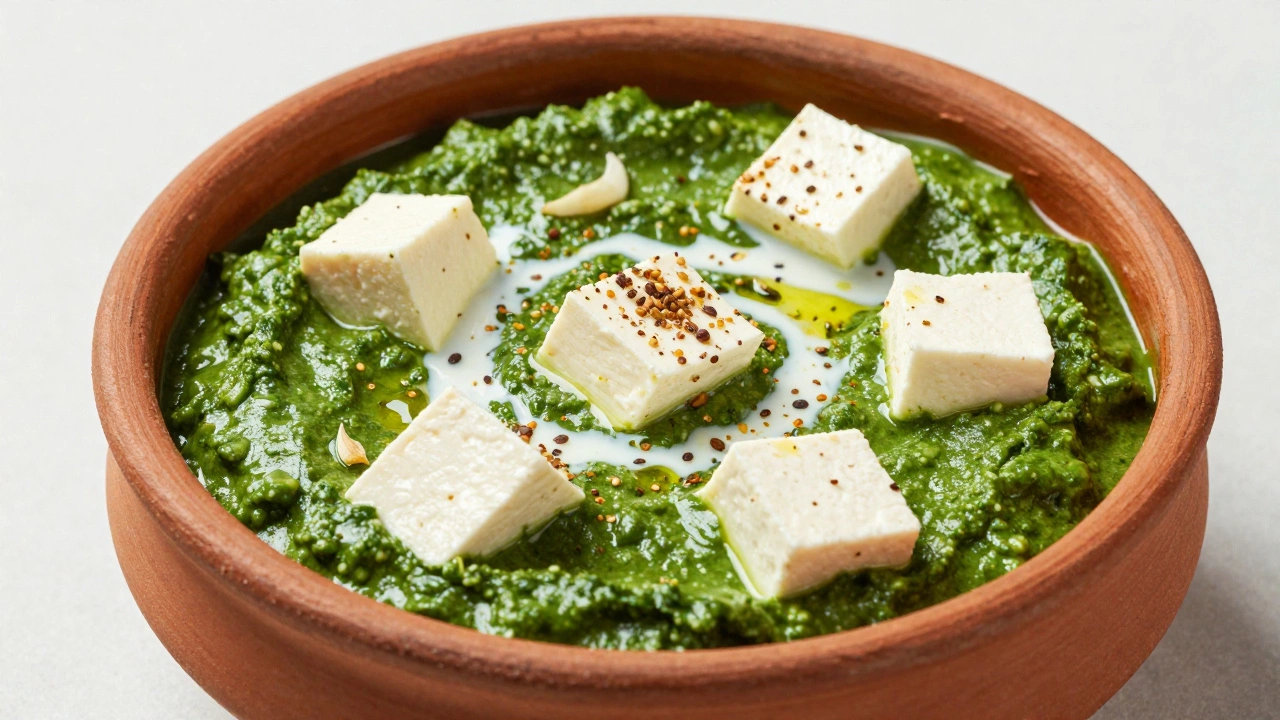
Not everyone eats meat, and that doesn’t mean you miss out on flavor. Palak Paneer is a staple in North Indian households. It consists of soft cubes of paneer (Indian cottage cheese) swimming in a smooth, vibrant green spinach puree.
The magic here is in the balance. Spinach can be bitter if overcooked, but when blended with cumin, garlic, and garam masala, it becomes earthy and rich. The paneer acts as a sponge, soaking up the flavors. It’s nutritious, visually striking, and satisfying. Many people argue that this is the most elegant curry on the menu because it relies on fresh vegetables rather than heavy creams or oils.
- Flavor Profile: Earthy, mild, aromatic.
- Key Ingredients: Fresh spinach, paneer, cumin, ginger, garlic.
- Best Paired With: Roti or Chapati.
The Rich & Royal: Rogan Josh
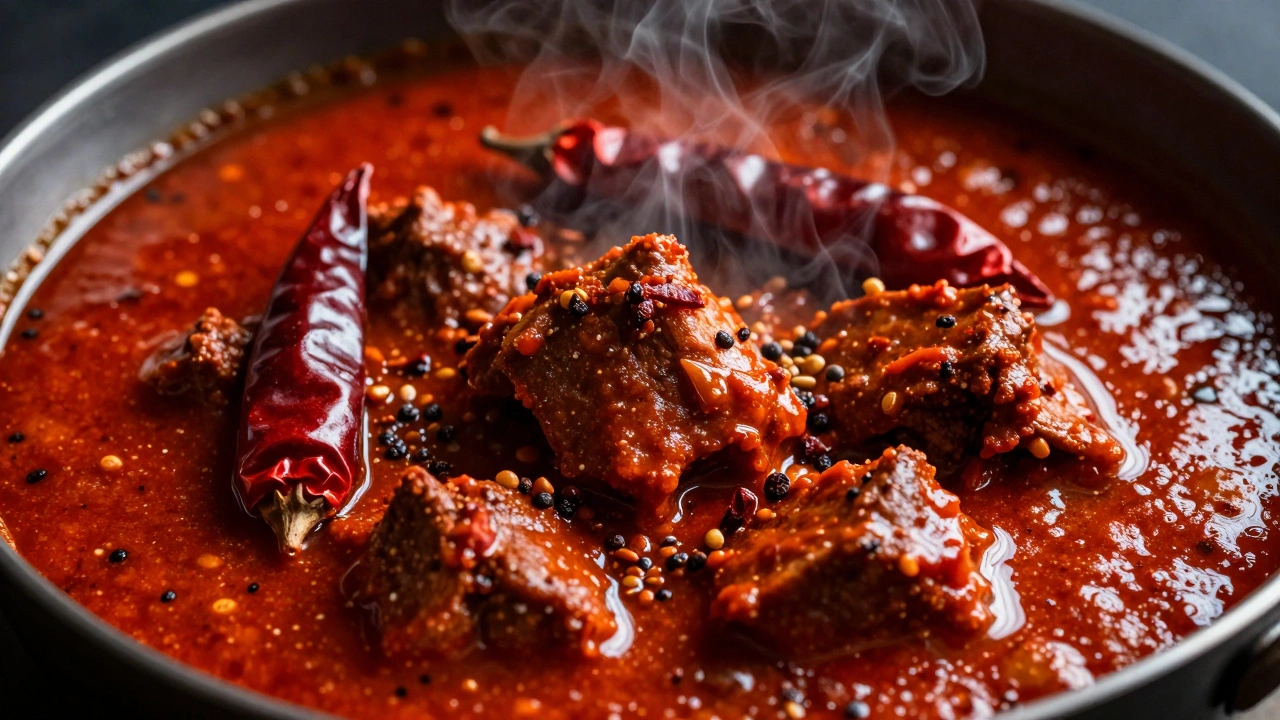
Hailing from Kashmir, Rogan Josh is a lamb curry that looks stunning due to its deep red color. Unlike many Indian curries that use chili powder for color, Rogan Josh gets its hue from Kashmiri chilies, which provide color without excessive heat. The word "Rogan" means oil, and "Josh" means passion or heat.
This dish is slow-cooked to perfection. The lamb becomes so tender it falls apart with a fork. The gravy is thick and oily, coating every bite. It’s a winter warmer. In Cape Town, where winters can be chilly, a bowl of Rogan Josh feels like a hug. It’s less about shock value and more about deep, lingering warmth.
- Flavor Profile: Savory, aromatic, mildly spiced.
- Key Ingredients: Lamb shoulder, yogurt, fennel powder, asafoetida (hing).
- Best Paired With: Jeera Rice or Naan.
Comparison of Top Indian Curries
| Curry Name | Heat Level | Main Protein/Veg | Dietary Note |
|---|---|---|---|
| Butter Chicken | Mild | Chicken | Contains Dairy |
| Vindaloo | Very Hot | Pork/Lamb/Chicken | Gluten-Free Option |
| Palak Paneer | Mild | Paneer (Cheese) | Vegetarian |
| Rogan Josh | Medium | Lamb | Rich/Oily |
| Chana Masala | Medium | Chickpeas | Vegan |
How to Choose Your Favorite
Finding the tastiest curry depends on what you’re craving right now. Are you looking for comfort? Go for Butter Chicken. Do you want a challenge? Try Vindaloo. Are you eating light but flavorful? Pick Palak Paneer or Chana Masala.
Don’t be afraid to mix and match. Order two different curries and share them. Use naan to scoop up the sauce. Add a dollop of raita (yogurt dip) to cool down the spice. Indian food is meant to be communal and experimental. The "best" curry is the one that makes you come back for seconds.
Tips for Making Easy Indian Curries at Home
You don’t need a professional kitchen to make these dishes. Here are three simple tips to elevate your home cooking:
- Bloom Your Spices: Always cook whole spices (like cumin seeds or cardamom) in oil before adding onions. This releases their essential oils and creates a deeper flavor base.
- Use Fresh Ginger and Garlic: Pre-minced jars are convenient, but fresh paste tastes infinitely better. Blend equal parts ginger and garlic with a little water for a smooth consistency.
- Finish with Acid: A squeeze of lemon juice or a dash of vinegar at the end brightens up heavy curries. It balances the fat and makes the flavors pop.
Start with one recipe. Master it. Then move to the next. Before you know it, you’ll have your own ranking of the tastiest Indian curries.
Is Butter Chicken really the most popular Indian curry?
Yes, globally, Butter Chicken is often cited as the most ordered Indian dish outside of India. Its mild heat and creamy texture appeal to a wide range of palates, making it a safe choice for those new to Indian cuisine.
What is the spiciest Indian curry?
Phaal is often considered the spiciest curry, originating from the UK-Indian community. However, among traditional dishes, Vindaloo and certain varieties of Madras curry are known for their intense heat levels.
Can I make Indian curries vegan?
Absolutely. Dishes like Chana Masala (chickpeas), Dal Tadka (lentils), and vegetable Korma are naturally vegan or easily adapted by substituting ghee with oil and omitting dairy-based creams.
What is the difference between Tikka Masala and Butter Chicken?
They are very similar. Both feature chicken in a tomato-cream sauce. However, Tikka Masala usually has a slightly thicker, spicier gravy and uses pre-cooked tikka pieces, whereas Butter Chicken is smoother, sweeter, and milder.
Which side dish goes best with Indian curries?
Naan bread is a classic choice for scooping up thick gravies. For lighter curries, steamed basmati rice or jeera rice (cumin rice) works well. Raita (yogurt with cucumber) is also a great cooling accompaniment.