Turmeric Kitchen Assistant
Optimize your turmeric use for both flavor and health. Calculate the right amount for your dish size and ensure you're getting the maximum benefit.
Dish Calculator
Recommended Turmeric:
0 tsp
Health Benefit Checker
Curcumin is poorly absorbed by the body alone. Check if your recipe includes key enhancers.
Add black pepper and fat to boost absorption significantly.
Quick Turmeric Facts
Bloom it: Always fry turmeric in hot oil or ghee first. This removes the raw dusty taste and deepens the color.
Freshness: Turmeric loses potency quickly. Store in airtight containers away from light. Replace every 6 months.
Sunlight: UV light breaks down curcumin. Lay stained clothes in direct sunlight for a few hours to fade stains naturally.
You know that vibrant, sunny hue that makes a chicken curry look so appetizing? It’s not just for show. That golden yellow color comes from one specific ingredient: turmeric. If you’ve ever wondered what gives your favorite Indian dishes their signature glow and earthy warmth, you’re looking at the root of this ancient rhizome.
But here’s the thing-most people treat it like food coloring. They dump a spoonful in, stir, and move on. Big mistake. Turmeric is far more than a dye. It’s a powerhouse of flavor, history, and health benefits that can make or break your dish if you don’t handle it right. Let’s unpack why this spice deserves way more respect in your kitchen.
The Real Identity of the Golden Spice
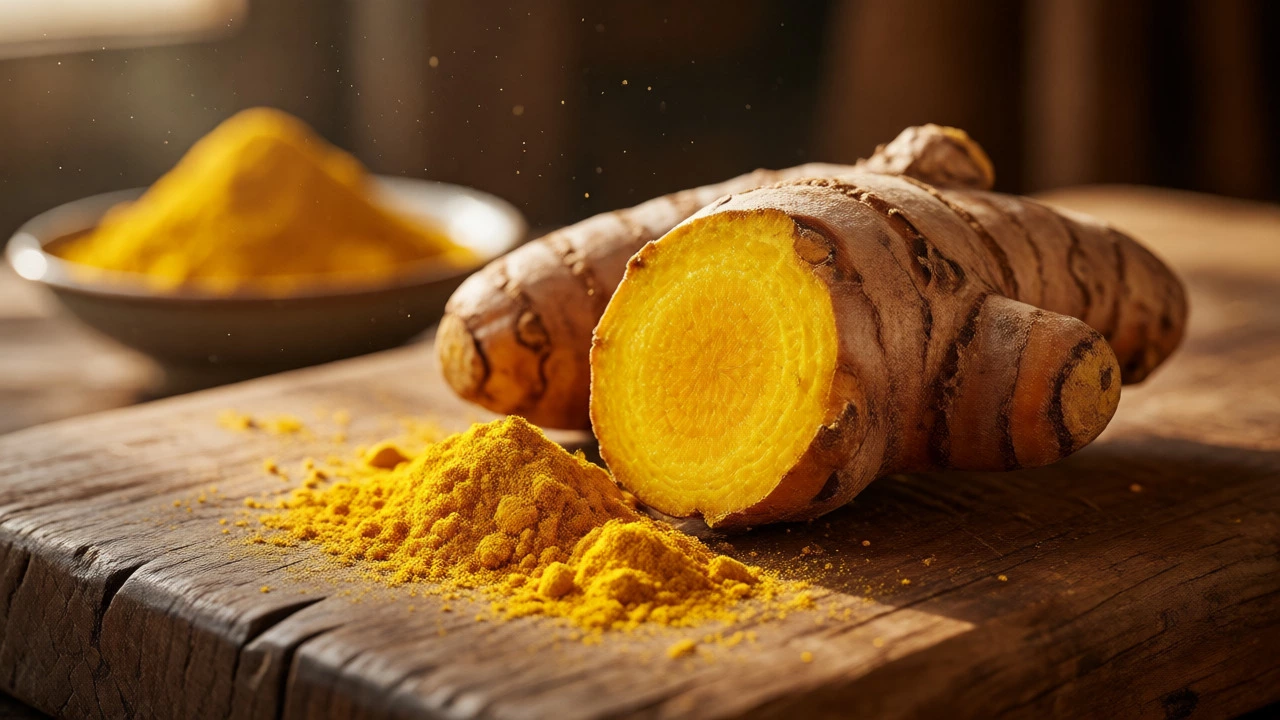
Turmeric isn’t a single chemical compound; it’s a dried and ground root from the plant Curcuma longa, which belongs to the ginger family (Zingiberaceae). When fresh, it looks remarkably similar to ginger root-knobby, orange-fleshed inside, but with a much brighter, almost neon-yellow interior once cut open. Dried and powdered, it becomes the fine, bright yellow dust you find in most spice racks.
Unlike saffron, which is red and costs a fortune per gram, turmeric is affordable and widely available. Unlike paprika, which adds sweetness and mild heat, turmeric brings a distinct bitter-peppery note. And unlike mustard powder, which hits your nose with sharpness, turmeric works its magic slowly, coating the tongue with an earthy depth that ties other spices together.
| Spice | Source | Flavor Profile | Primary Use |
|---|---|---|---|
| Turmeric | Dried root of Curcuma longa | Earthy, slightly bitter, peppery | Coloring, base flavor, health tonic |
| Saffron | Stigmas of Crocus sativus | Floral, honey-like, metallic | Luxury coloring, aroma in rice/paella |
| Paprika | Ground dried peppers | Sweet, smoky, or hot depending on type | Coloring, mild heat, garnish |
| Mustard Powder | Ground mustard seeds | Sharp, pungent, sinus-clearing | Emulsifier, tangy kick in sauces |
Why It’s the Backbone of Curry
Think about a standard curry powder blend. You’ll see cumin, coriander, chili, maybe fenugreek. But where does the bulk come from? Often, it’s turmeric. In many traditional Indian households, turmeric isn’t added as a final flourish-it’s the first thing into the oil. Why? Because fat-soluble compounds in turmeric need time and heat to release their full potential.
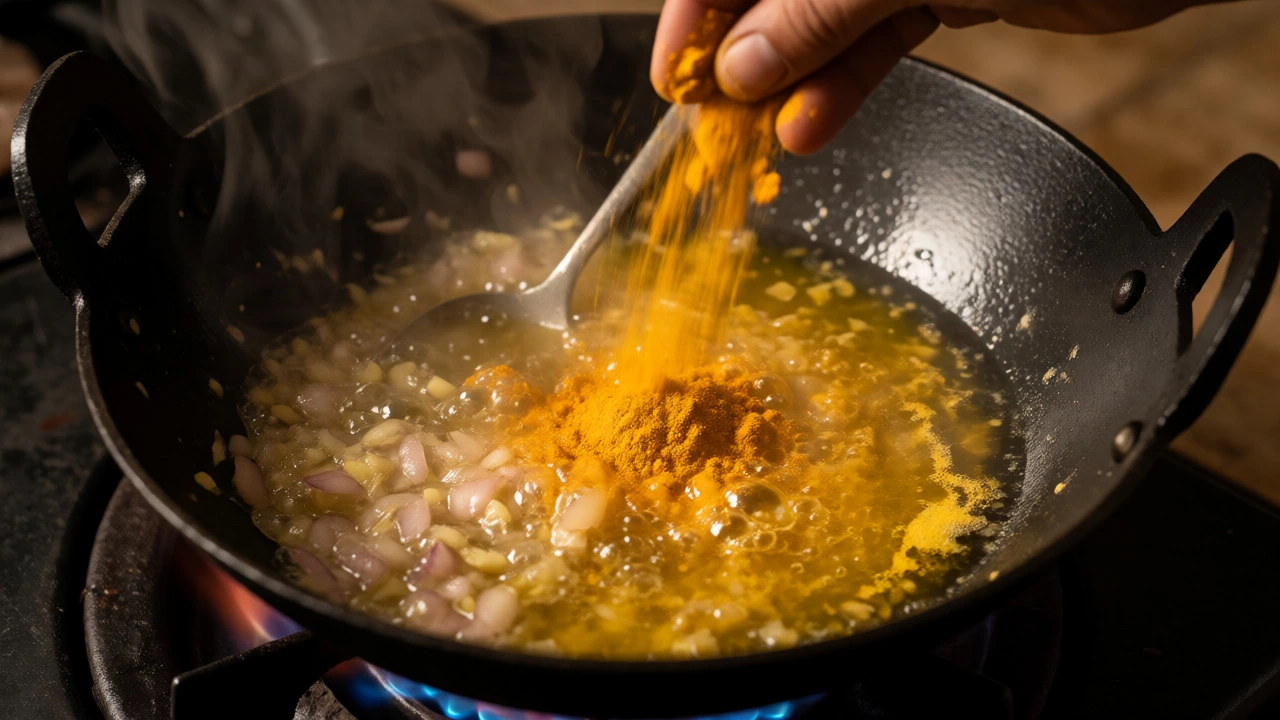
When you bloom turmeric in hot oil or ghee, something interesting happens. The raw, dusty taste mellows out. The bitterness softens. The color deepens from pale yellow to a rich gold. This process, often called "tempering" or "bhuna," activates the spice’s aromatic oils. Skip this step, and you might end up with a gritty, raw-tasting curry that feels unbalanced.
It also acts as a stabilizer. Have you noticed how some curries separate or lose their vibrancy after sitting in the fridge overnight? Turmeric helps bind fats and water, keeping the sauce emulsified longer. It’s nature’s own thickener, working quietly in the background while the star ingredients take the spotlight.
Beyond Color: The Health Powerhouse
You’ve probably heard about curcumin. That’s the active compound in turmeric responsible for its yellow pigment and most of its health claims. While we shouldn’t overpromise miracles, there’s solid science backing its role as an anti-inflammatory agent. A 2019 review published in the Journal of Medicinal Food highlighted curcumin’s ability to inhibit certain enzymes linked to inflammation.
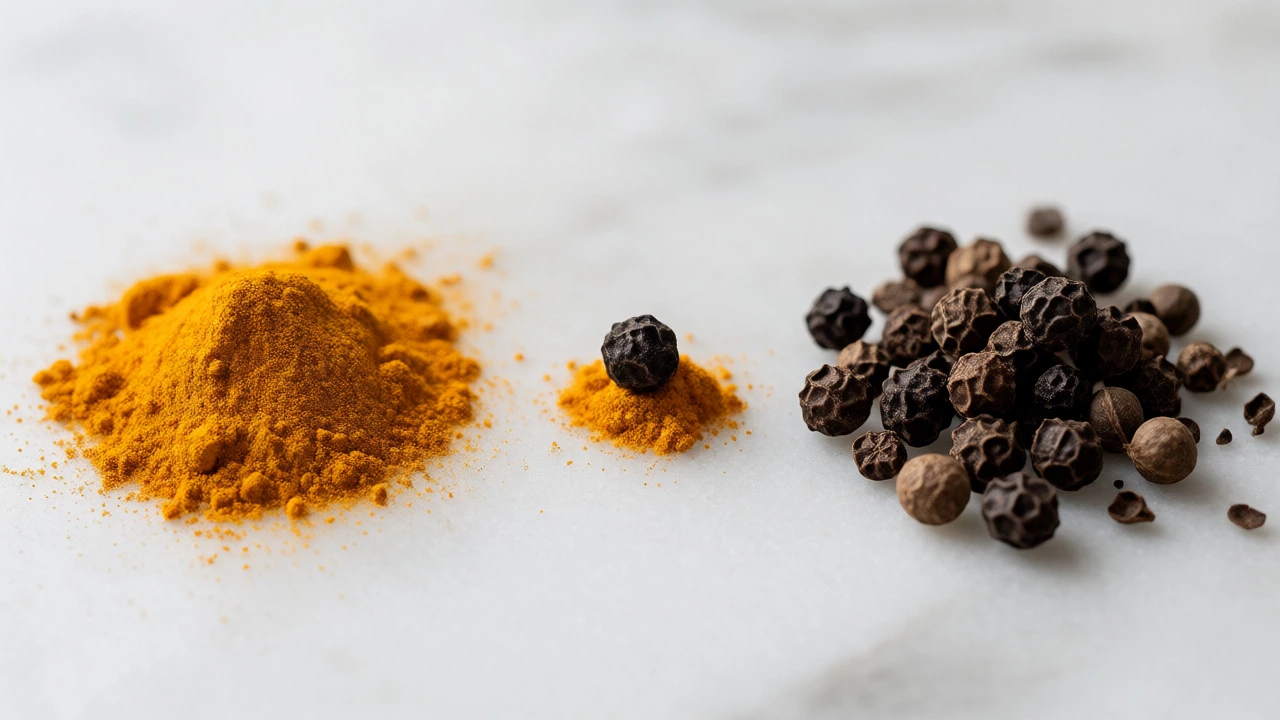
But here’s the catch: your body absorbs curcumin poorly on its own. Think of it like trying to pour water through a sieve. To fix this, pair turmeric with black pepper. Piperine, the active compound in black pepper, boosts curcumin absorption by up to 2,000%. This isn’t just a myth; it’s why almost every authentic curry recipe calls for both. If you’re making a simple golden milk latte without pepper, you’re missing half the benefit.
- Anti-inflammatory: May help reduce joint pain and stiffness.
- Antioxidant: Neutralizes free radicals that damage cells.
- Gut Health: Stimulates bile production, aiding digestion.
- Skin Benefits: Historically used topically for healing and glow.
Cooking Mistakes That Ruin Turmeric
Even experienced cooks mess this up. Here are the three biggest pitfalls:
- Adding it too late: Throwing turmeric in at the end leaves it tasting raw and powdery. Always add it early, during the onion-garlic-ginger stage, so it cooks gently.
- Using stale powder: Turmeric loses potency quickly. If your jar has been sitting since 2023, it’s likely lost its punch. Buy small quantities and store them in airtight containers away from sunlight.
- Fearing the stain: Yes, it stains everything. Countertops, wooden spoons, plastic containers. But don’t underuse it because of fear. A little goes a long way, but you still need enough to get the benefits and color.
Pro tip: If you’re worried about staining your clothes, wear an apron. But if you’re worried about staining your teeth, rest easy-cooking with turmeric rarely discolors enamel significantly unless you’re drinking concentrated golden milk daily.
Fresh vs. Ground: Which Is Better?
Most of us use ground turmeric. It’s convenient, shelf-stable, and consistent. But fresh turmeric root offers a different experience. It’s juicier, less bitter, and has a more complex floral note. In Thai cuisine, fresh turmeric is common in pastes. In Indian cooking, it’s rarer outside of South India, where it’s sometimes grated into pickles or chutneys.
If you can find fresh turmeric at an Asian grocery store, try grating a small knob into your next dal. Notice the difference in brightness. Just be careful-fresh turmeric stains even worse than the powder. Wear gloves when peeling it, or use a vegetable peeler to avoid direct contact.
How Much Should You Use?
This depends on the dish. For a standard chicken curry serving four people, start with half a teaspoon. Taste before adding more. Too much turmeric turns bitter and medicinal. Remember, it’s a supporting actor, not the lead. Its job is to enhance, not dominate.
In contrast, for dishes like Haldi Doodh (Golden Milk), you’d use more-up to a full teaspoon per cup of milk-because the dairy fat and sugar balance the intensity. Always adjust to your palate. Cooking isn’t chemistry; it’s art. Trust your senses.
Final Thoughts on Your Next Curry
Next time you reach for that yellow jar, pause. Appreciate what you’re holding. It’s not just a cheap seasoning. It’s a bridge between ancient Ayurvedic medicine and modern culinary tradition. Treat it with care, bloom it properly, pair it with pepper, and watch your curries transform from good to unforgettable.
And hey, if you accidentally spill some on your white shirt? Don’t panic. Sunlight breaks down curcumin. Lay the shirt out in the sun for a few hours, and the stain often fades surprisingly well. Nature’s cleanup crew at work.
Is turmeric the same as saffron?
No, they are completely different. Saffron comes from the crocus flower and is red, expensive, and floral. Turmeric comes from a root, is yellow, inexpensive, and earthy. They provide similar colors but vastly different flavors and price points.
Can I substitute turmeric for curry powder?
Not directly. Curry powder is a blend containing turmeric plus other spices like cumin, coriander, and chili. Using only turmeric will lack the complexity of a curry blend. However, you can make a quick substitute by mixing turmeric with cumin, coriander, and a pinch of chili powder.
Does cooking destroy turmeric's health benefits?
Some heat-sensitive compounds may degrade, but curcumin is relatively stable. In fact, heating it in oil helps release its bioavailability. Adding black pepper and fat (like coconut milk or ghee) further protects and enhances its absorption during cooking.
Why does my curry taste bitter?
Too much turmeric or burning it can cause bitterness. Ensure you add it early enough to cook but not so long that it scorches. Also, check your other spices; burnt garlic or onions can also contribute to a bitter profile.
How do I remove turmeric stains from hands?
Rubbing alcohol or lemon juice works best. Wash hands with soap and warm water, then scrub with a cotton ball soaked in rubbing alcohol. Alternatively, let your hands sit in the sun for an hour, as UV light breaks down the pigment.
- Poplular Tags
- turmeric
- golden spice
- curry powder
- curcumin
- anti-inflammatory spice