Indian Street Food Matchmaker
Not sure what to order next time you're in India? Answer three quick questions to find the snack that matches your mood.
Snack Name
Origin Region
Reasoning goes here...
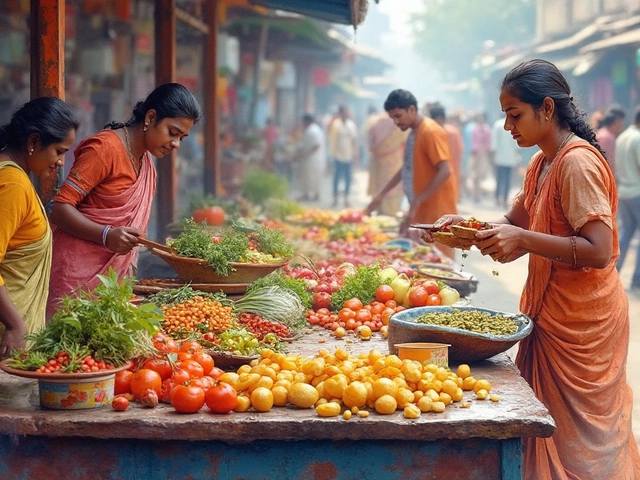
You walk down a busy street in Mumbai or Delhi, and your nose gets hijacked. It’s not just one smell; it’s a chaotic mix of frying oil, cumin, coriander, and sugar. This is the scent of Indian street food, which is a category of ready-to-eat snacks and meals sold by vendors on public streets. For many outsiders, "junk food" implies greasy burgers or sugary sodas. But in India, junk food is an art form with centuries of history. It is fast, cheap, incredibly flavorful, and often deeply controversial for its health impact.
So, what exactly is the famous junk food in India? There isn't just one answer because every state has its own king. However, if you had to pick the most universally recognized items, three names stand out above the rest: Samosa, a fried pastry with a savory filling, Vada Pav, a spicy potato fritter sandwiched in a bun, and Pani Puri, hollow crisp shells filled with flavored water. These aren't just snacks; they are cultural institutions. Understanding them requires looking beyond the grease and into the regional diversity that defines Indian eating habits.
The Undisputed King: Samosa
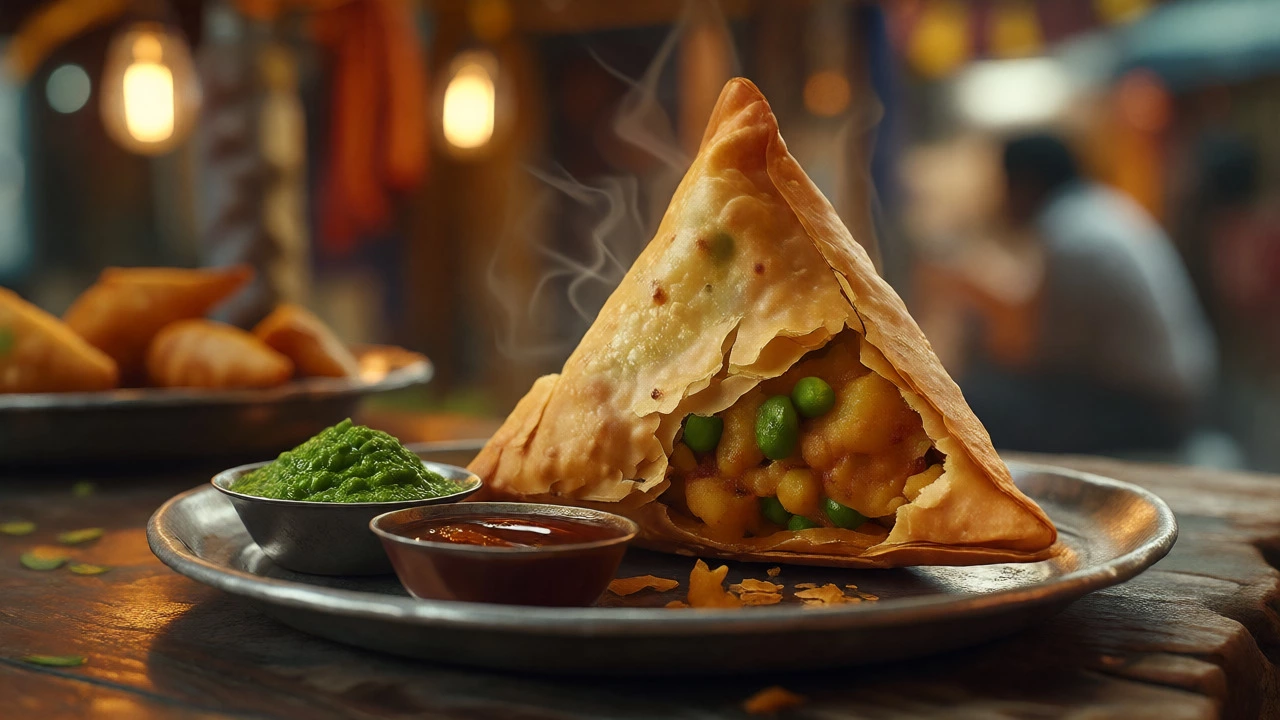
If there is one snack that spans every corner of India, from Kashmir to Kanyakumari, it is the samosa. You cannot have a conversation about famous junk food without starting here. The samosa is a triangular pastry, usually deep-fried until golden brown and crispy. Inside, you typically find a spiced mixture of potatoes, peas, onions, and sometimes minced meat. The magic lies in the crust. A good samosa shatters when you bite it, releasing steam and heat immediately.
Why is it so popular? Convenience and customization. In North India, you’ll get a classic potato-and-pea filling served with tamarind chutney and mint sauce. Head south to Tamil Nadu, and you might find a beef or chicken-filled version known as the "sambusa," often larger and softer. In Kolkata, the "singara" is bigger, sweeter, and eaten with a distinctively different tea. The samosa adapts to local tastes while maintaining its core identity: a handheld vessel of flavor.
But let’s be honest about the "junk" aspect. Most street vendors reuse their frying oil multiple times a day. This creates trans fats and free radicals that aren’t great for your heart. Yet, people eat them anyway. Why? Because the combination of hot, oily dough and spicy filling triggers a dopamine hit that few other foods can match. If you visit India, skipping the samosa is like visiting Paris and refusing to see the Eiffel Tower. It’s a cliché, but it’s essential.
Mumbai’s Heartbeat: Vada Pav
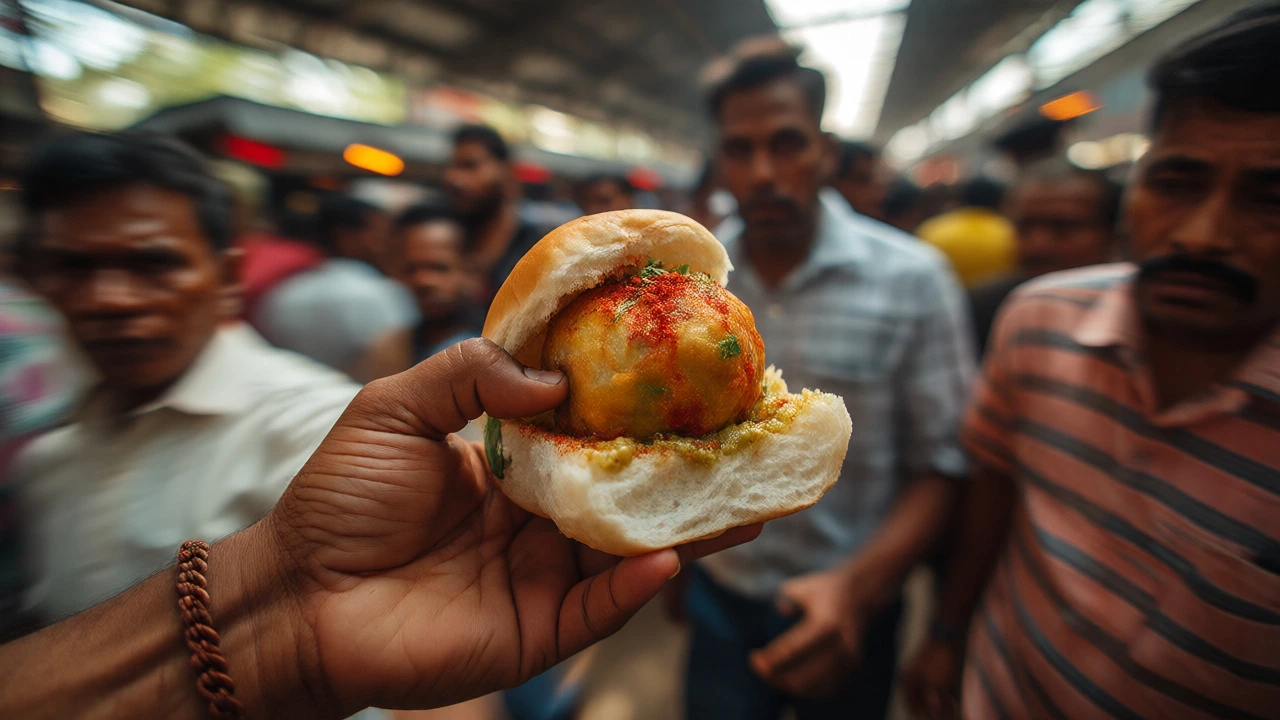
Move to Mumbai, and the samosa takes a backseat to the Vada Pav. Often called the "Indian Burger," this dish was invented in the 1960s by Ashok Vaidya near Dadar station. He wanted to feed mill workers quickly and cheaply. Today, it fuels millions of commuters daily. The structure is simple: a deep-fried potato dumpling (the vada) placed inside a soft bread bun (the pav), accompanied by dry garlic chutney, green chutney, and fried green chilies.
The appeal of Vada Pav is its affordability and energy density. For less than $0.50 USD, you get a meal that sticks to your ribs. The texture contrast is key-the crunch of the fried potato against the soft, pillowy bun creates a satisfying mouthfeel. Unlike Western burgers, which rely on cheese and sauces for moisture, the Vada Pav relies on the spice paste and the natural starchiness of the potato.
Critics argue that Vada Pav is nutritionally void. It is primarily carbohydrates and fat, with very little protein unless you add a side of curd. However, in a city where time is money, it serves a critical function. It is the ultimate fast food. You eat it standing up, wrapped in newspaper, while rushing to catch a train. It represents the hustle culture of urban India perfectly.
The Interactive Snack: Pani Puri
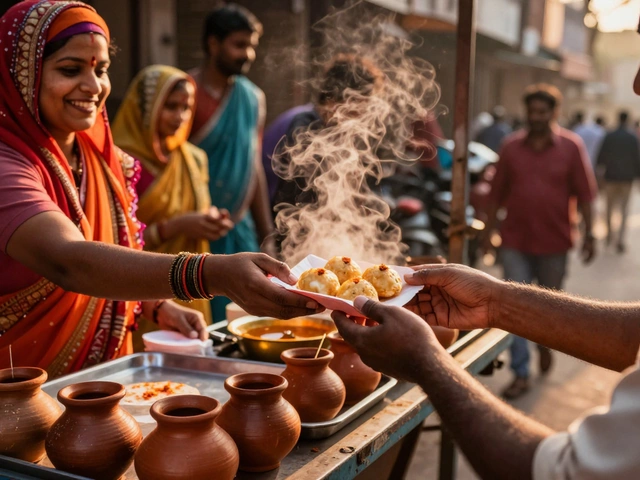
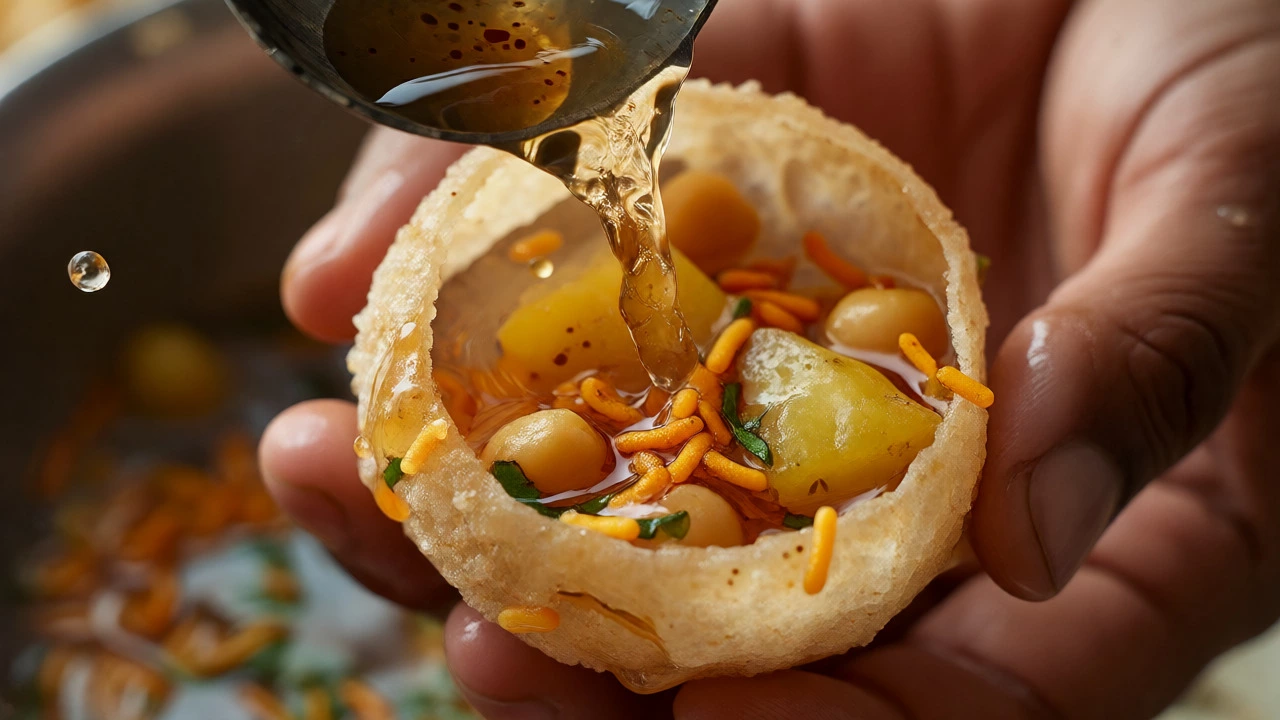
If Samosa is passive and Vada Pav is functional, Pani Puri is interactive. Also known as Golgappa in the north or Puchka in the east, this snack requires your participation. You don’t just eat it; you experience it. The vendor hands you a hollow, crisp semolina shell. You poke a hole in the top and fill it with a mixture of boiled potatoes, chickpeas, and sev (crunchy noodles). Then, the vendor dips the shell into a pot of chilled, flavored water before handing it to you. You must eat it whole in one bite.
The variety of waters is where the genius lies. Some vendors offer sweet tamarind water, others spicy mint-coriander water, and some provide both. The explosion of cold, spicy liquid in your mouth after biting through the warm, crunchy shell is a sensory shock. It is refreshing yet intense. This duality makes it addictive.
Health-wise, Pani Puri is tricky. The shell itself is relatively low-calorie, but the hygiene standards vary wildly. Since the water is communal and the ingredients are exposed to dust and traffic pollution, stomach issues are common among tourists. Locals often build immunity over years, but first-timers should proceed with caution. Look for vendors who use bottled mineral water for the filling if you have a sensitive stomach.
| Item | Origin | Main Ingredients | Flavor Profile | Avg Price (USD) |
|---|---|---|---|---|
| Samosa | North India (Central Asian influence) | Maida flour, potato, spices | Savory, Spicy, Oily | $0.30 - $0.60 |
| Vada Pav | Maharashtra (Mumbai) | Potato, Bread Bun, Garlic Chutney | Spicy, Garlicky, Starchy | $0.40 - $0.70 |
| Pani Puri | All over India | Semolina Shell, Tamarind Water, Potato | Tangy, Sweet, Spicy, Cold | $0.50 - $1.00 (for 4-6 pcs) |
| Chole Bhature | Punjab/Delhi | Chickpeas, Fried Bread | Rich, Heavy, Savory | $1.50 - $3.00 |
Beyond the Big Three: Regional Contenders
While the big three dominate national conversations, other items hold massive local followings. In Punjab and Delhi, Chole Bhature is the weekend ritual. This consists of spicy chickpea curry (chole) paired with large, puffed-up fried bread (bhature). It is heavy, rich, and often considered a full meal rather than a snack. The bhatura is made from refined flour and deep-fried until it balloons. Eating it feels indulgent, almost gluttonous, which fits the definition of junk food perfectly.
In the south, specifically Karnataka, you have Mysore Pak for dessert lovers, but for savory junk, look at Dahi Vada. Wait, Dahi Vada is healthy? Not always. Street versions are often soaked in heavily sweetened yogurt and topped with sugary syrups and fried nuts. The sheer volume of sugar transforms a probiotic-rich dish into a calorie bomb. Similarly, Jalebi, a fermented batter fried into loops and soaked in sugar syrup, is arguably the stickiest, sweetest junk food in the country. One Jalebi can contain upwards of 15 grams of pure sugar.
Then there is the phenomenon of Pav Bhaji. Like Vada Pav, it comes from Mumbai. It involves a thick, buttery vegetable mash (bhaji) served with toasted buns spread with copious amounts of white butter. The "butter" used is often margarine or cheap ghee substitutes, adding saturated fats. The dish is messy, vibrant red from chili powder, and intensely comforting. It proves that junk food doesn't need to be dry; it can be wet, spicy, and loaded with dairy.
The Health Reality Check
Let’s address the elephant in the room: Is this stuff actually bad for you? Yes, mostly. Traditional Indian street food is high in refined carbohydrates (maida), unhealthy fats (reused oil), and sodium. The lack of fresh vegetables in many items is a significant nutritional gap. For example, a typical plate of French Fries or Nachos in a cafe might cost $5, but a plate of street-side fries (often called "Masala Fries") costs $1 and contains more salt and oil per gram.
However, labeling all Indian street food as "junk" ignores the balance many locals strike. They might eat a heavy Vada Pav for breakfast but have a light lunch of dal and rice. The issue arises when these items become the primary diet. Hygiene is another major factor. While taste is guaranteed, safety is a gamble. Water quality is the biggest culprit for traveler’s diarrhea. Always check if the vendor uses covered containers for ingredients and if they handle cash and food separately. Many modern chains now offer hygienic versions of these classics, charging a premium for peace of mind.
How to Eat Like a Local
If you want to try these foods without ending up in a hospital, follow these rules:
- Follow the crowd: High turnover means fresher food. If a stall is empty, the food might be sitting out too long.
- Watch the oil: Dark, foamy oil indicates frequent reuse. Lighter, clear oil is better, though rare in budget stalls.
- Ask for "less oil": Most vendors will drain excess oil from samosas or pakoras if you ask nicely.
- Pair with chai: Tea acts as a palate cleanser and aids digestion due to the ginger and cardamom content.
- Start small: Order half portions or share. The richness of these foods can overwhelm a foreign stomach quickly.
The famous junk food in India is not a single item but a spectrum of flavors, textures, and experiences. From the crispy crunch of a Samosa to the explosive tang of Pani Puri, these snacks define the Indian culinary landscape. They are imperfect, often unhealthy, but undeniably delicious. To understand India, you must eat its street food. Just bring some antacids.
Which is the most popular street food in India?
The Samosa is widely considered the most popular street food across India due to its widespread availability and universal appeal. However, Vada Pav dominates in Maharashtra, while Pani Puri is ubiquitous nationwide.
Is Indian street food healthy?
Generally, no. Most famous items like Samosas and Vada Pav are deep-fried and high in refined carbs and sodium. However, some options like Idli or Dosa are healthier alternatives if prepared with minimal oil.
What is the cheapest junk food in India?
Vada Pav and Samosas are among the cheapest, often costing between $0.30 and $0.50 USD. Pani Puri is also very affordable, typically priced per set of 4-6 pieces.
Why is Pani Puri so popular?
Pani Puri offers a unique interactive eating experience with contrasting temperatures and flavors-hot/cold, crunchy/soft, sweet/spicy. This sensory complexity makes it highly addictive.
Can foreigners eat Indian street food safely?
Yes, but with caution. Choose busy stalls, avoid raw salads or uncooked chutneys if unsure of water quality, and consider sticking to cooked items initially to minimize the risk of digestive upset.
- Poplular Tags
- famous junk food in India
- Indian street food
- samosa
- vada pav
- pani puri