Dal Finder & Cooking Guide
Not sure which lentil to buy? Select your priority below to find the perfect Dal for your kitchen.
Why Choose This?
Cooking Info
- Time:
- Soaking:
- Best For:
Pro Tip
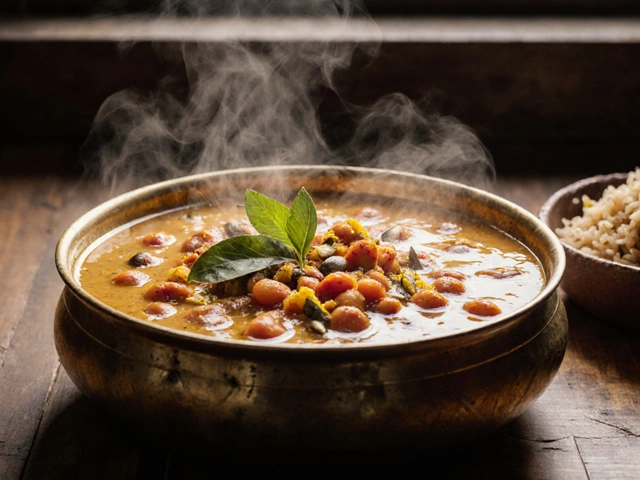
You’ve probably seen dal on a menu at your local Indian restaurant or heard someone mention it while talking about healthy eating. But if you’re standing in the aisle of an American grocery store staring at bags of dried beans and lentils, you might be wondering: what exactly is dal?
It’s not just one thing. In India, "dal" refers to both the split pulses themselves (like lentils, chickpeas, or mung beans) and the soupy stew made from them. In the US, we often confuse it with generic "lentil soup," but real dal has a distinct flavor profile, texture, and cultural weight that goes beyond just boiling beans.
Breaking Down the Word: Pulse vs. Stew
The confusion starts with language. In Hindi and other Indian languages, dal means "split." When you buy raw yellow split peas or red lentils at Whole Foods or Trader Joe’s, those are technically dals. But when you order "Dal Makhani" at a restaurant, you’re getting a rich, creamy dish made from black lentils (urad dal) cooked slowly with butter and cream.
So, when Americans ask "what is dal," they usually mean the prepared dish-a savory, spiced lentil stew. It’s comfort food for millions of Indians, similar to how chili or chicken noodle soup serves as comfort food here. The key difference? Dal is almost always vegetarian, naturally gluten-free, and packed with protein.
Which Lentils Are Actually "Dal"?
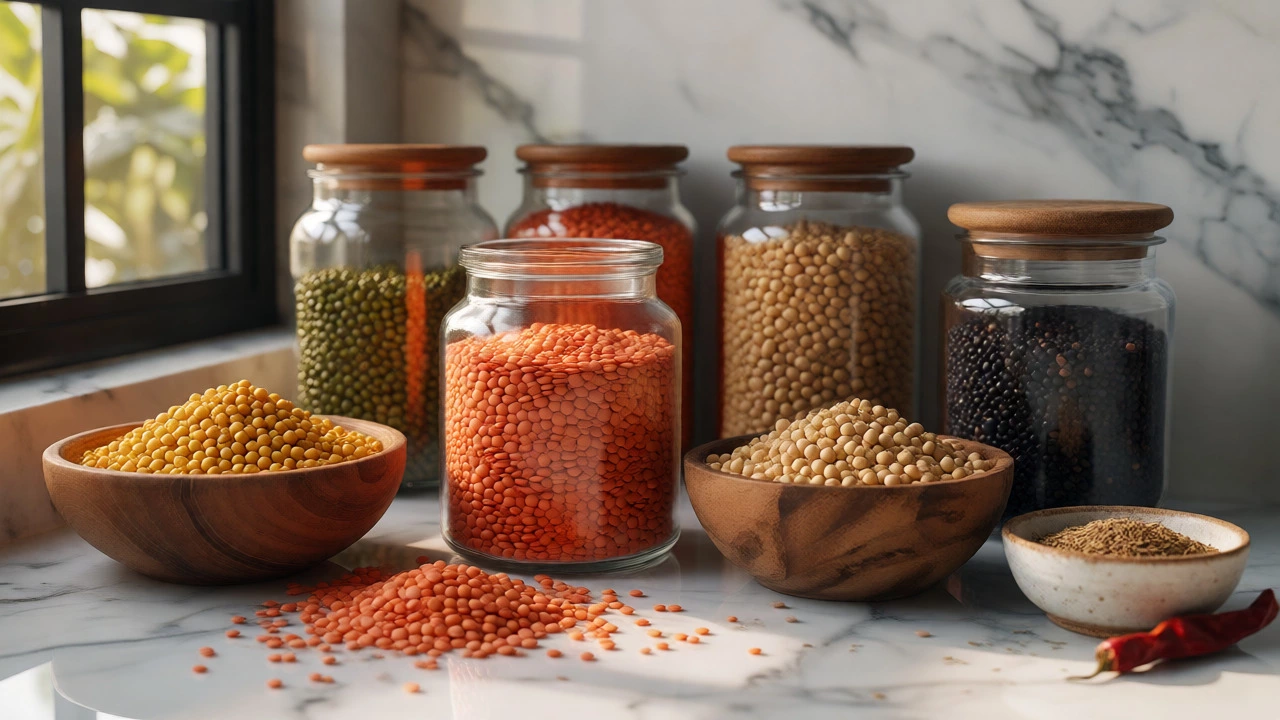
Not all lentils are created equal, and using the wrong type can ruin the dish. Here is the breakdown of the most common varieties you’ll find in US stores and online:
| Indian Name | US Equivalent / Description | Best For | Cooking Time |
|---|---|---|---|
| Toor Dal | Pigeon Peas (Split) | Everyday lunch/dinner; nutty flavor | 20-30 mins |
| Masoor Dal | Red Split Lentils | Quick weeknight dinners; breaks down easily | 15-20 mins |
| Moong Dal | Yellow Mung Beans (Split) | Light soups; easy digestion | 15-20 mins |
| Chana Dal | Split Chickpeas | Thicker stews; holds shape well | 30-40 mins |
| Urad Dal | Black Gram (Split) | Dal Makhani; rich, creamy textures | 45+ mins |
If you are new to this, start with Masoor Dal (red split lentils). They don’t require soaking, cook in under 20 minutes, and turn into a smooth, comforting consistency without much effort. Toor dal is the workhorse of Indian kitchens-it’s earthier and takes a bit longer, but it’s worth trying once you get the hang of it.
Where to Buy Dal in the USA
You don’t need to fly to Mumbai to find these ingredients anymore. Most major US grocery chains now stock basic lentils. However, finding specific Indian varieties requires a slight shift in strategy.
- Regular Grocery Stores (Kroger, Safeway, Publix): Look for "Red Split Lentils" or "Yellow Split Peas." These are often cheaper than branded Indian products and taste identical. Check the bulk bins if available-dried goods are often fresher there.
- Trader Joe’s & Whole Foods: You’ll find organic versions of red and green lentils. They rarely carry specific Indian names like "Toor," so read the ingredient list carefully. If it says "Pigeon Peas," that’s your Toor Dal.
- Indian Grocery Stores: This is where the magic happens. Brands like Laxmi, Deep, or Swad sell pre-cleaned, high-quality dals. They also sell the essential spices you’ll need later, which saves you from hunting through three different aisles.
- Amazon: Great for hard-to-find items like Urad Dal or specialized spice blends. Just check reviews to ensure freshness, as old lentils take forever to cook.
The Flavor Profile: Why It Tastes Different
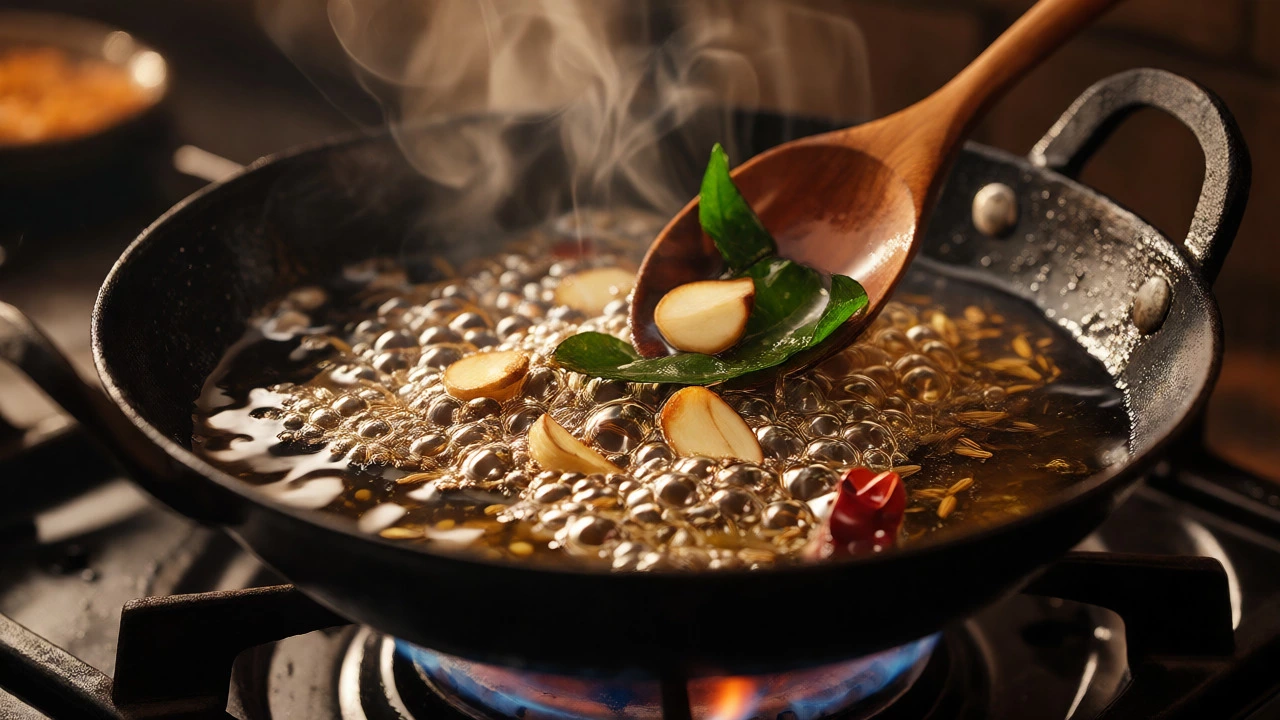
If you make lentil soup with salt, pepper, and carrots, it tastes nothing like dal. That’s because dal relies on a technique called tadka (also known as tempering). This isn’t just adding spices; it’s blooming whole spices in hot oil or ghee before mixing them into the cooked lentils.
This process releases fat-soluble flavors from spices like cumin seeds, mustard seeds, dried red chilies, and curry leaves. Without tadka, you have boiled beans. With tadka, you have aromatic, complex dal. Ghee (clarified butter) is traditional, but coconut oil or neutral vegetable oil works fine if you want to keep it vegan.
A Simple Starter Recipe: One-Pot Masoor Dal
Here is a foolproof method for beginners. This recipe uses red lentils because they break down quickly, creating a creamy texture without needing a blender.
Ingredients
- 1 cup red split lentils (masoor dal), rinsed until water runs clear
- 3 cups water or vegetable broth
- 1 tsp turmeric powder
- 1 tsp salt (adjust to taste)
- 1 tbsp oil or ghee
- 1 tsp cumin seeds
- 1 clove garlic, minced
- 1 inch ginger, grated
- 1 tomato, chopped
- Fresh cilantro for garnish
Instructions
- Cook the Lentils: Combine rinsed lentils, water, turmeric, and salt in a pot. Bring to a boil, then reduce heat to low. Simmer uncovered for 15-20 minutes until the lentils are soft and falling apart. Stir occasionally to prevent sticking.
- Prepare the Tadka: While lentils cook, heat oil in a small pan over medium heat. Add cumin seeds. Once they sizzle and smell fragrant (about 30 seconds), add garlic and ginger. Sauté for another minute until golden.
- Add Aromatics: Toss in the chopped tomatoes. Cook until they soften and collapse, about 3-4 minutes. This builds the base flavor.
- Combine: Pour the tadka mixture directly into the pot of cooked lentils. Stir well. If the dal is too thick, add a splash of hot water to reach your desired consistency.
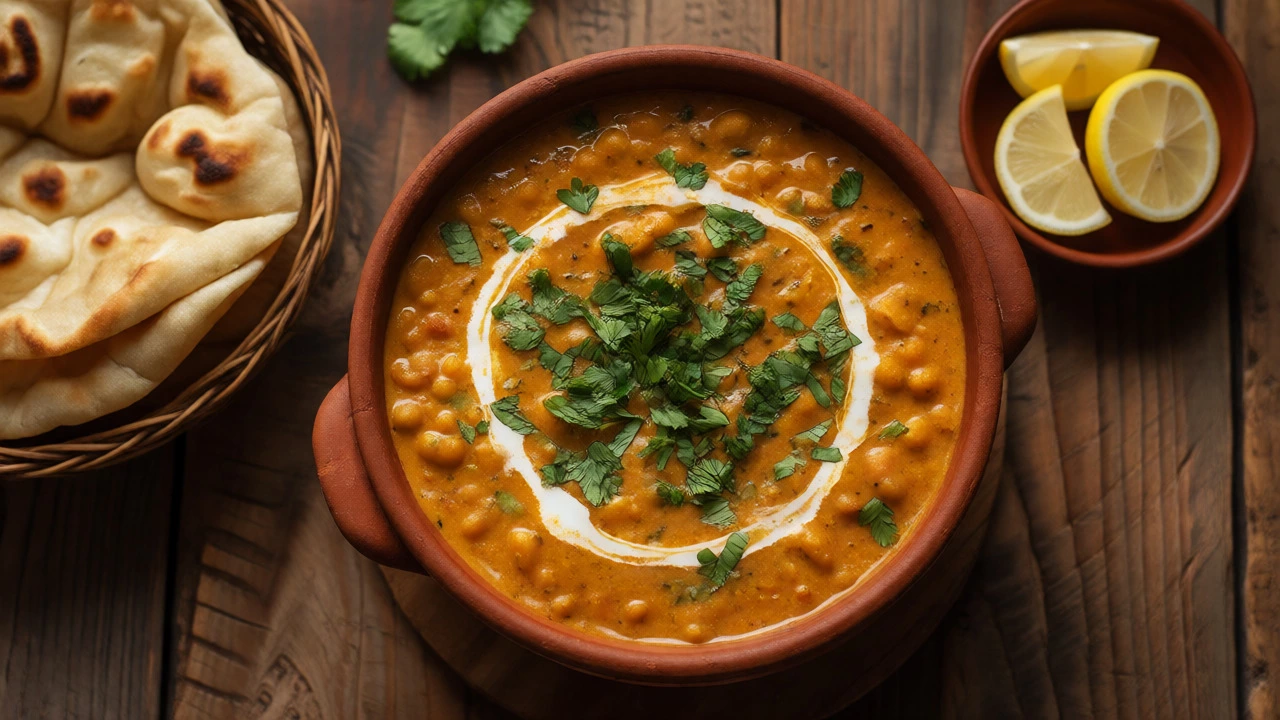
- Serve: Garnish with fresh cilantro. Serve hot with rice, naan, or even crusty bread.
Nutritional Powerhouse
Why is dal so popular among health-conscious Americans? It’s cheap, shelf-stable, and incredibly nutritious. A single serving provides a massive amount of plant-based protein and fiber.
According to USDA data, one cup of cooked lentils contains approximately 18 grams of protein and 16 grams of fiber. That’s nearly half the daily recommended fiber intake for many adults. Plus, it’s low in calories compared to meat-based stews. For vegetarians looking to replace ground beef in tacos or chili, dal offers a similar hearty mouthfeel with none of the saturated fat.
Common Mistakes Beginners Make
I’ve seen people throw away their first batch of dal because they treated it like pasta. Here are the pitfalls to avoid:
- Skipping the Rinse: Dried lentils often have dust or tiny stones. Always rinse them in a fine-mesh strainer until the water is clear. Nobody wants a gritty bite.
- Adding Salt Too Early (for some types): For red and yellow lentils, salt is fine early on. But for larger beans like Chana Dal or Urad Dal, adding salt at the start can toughen the skins, making them take longer to cook. Save salt for the end for those varieties.
- Ignoring Acid Balance: Lentils are earthy and sweet. They need acid to brighten them up. A squeeze of lemon juice or a dash of amchur (dry mango powder) stirred in at the end transforms the flavor. Trust me, try it.
- Overcooking Green Lentils: If you use brown or green lentils instead of split ones, watch them closely. They hold their shape better but can turn mushy if left unattended. Red and yellow dals are meant to disintegrate; green/brown dals are meant to stay intact.
Pairing Dal with American Pantry Staples
You don’t need to buy exotic sides to enjoy dal. Since it’s essentially a seasoned bean stew, it pairs beautifully with things you already have.
- Rice: Basmati is traditional, but Jasmine or even long-grain white rice works perfectly.
- Bread: Toasted sourdough or pita chips make excellent dipping vessels.
- Salads: The richness of dal balances out crisp, acidic salads like cucumber raita or a simple kale salad with lemon dressing.
- Leftovers: Dal tastes better the next day. The flavors meld overnight. Reheat gently with a splash of water if it thickens in the fridge.
Is dal the same as lentil soup?
No, not exactly. While both use lentils, Western lentil soup typically uses whole brown or green lentils and is flavored with mirepoix (carrots, celery, onions). Dal uses split lentils (which break down into a creamy consistency) and is flavored with Indian spices like turmeric, cumin, and coriander, often finished with a hot oil tempering (tadka).
Do I need to soak dal before cooking?
For most common split dals like Masoor (red) and Moong (yellow), no soaking is required. They cook quickly. However, for thicker dals like Chana Dal (split chickpeas) or Urad Dal (black gram), soaking for 30 minutes to 2 hours helps them cook faster and more evenly, reducing gas-causing compounds.
What does dal taste like?
The taste depends on the type and spices used. Generally, it is savory, earthy, and slightly nutty. It can range from mild and comforting (like plain yellow dal) to spicy and tangy (like Sambar, a South Indian lentil stew). The addition of lemon or tamarind adds brightness, while ghee adds richness.
Can I make dal in an Instant Pot?
Yes, dal is perfect for pressure cookers. For red lentils, cook on high pressure for 3-5 minutes with natural release. For harder dals like Toor or Chana, cook for 10-15 minutes. The pressure cooker mimics the slow-cooking process that develops deep flavors in traditional methods.
Is dal healthy for weight loss?
Absolutely. Dal is high in protein and fiber, which promotes satiety (feeling full) and stabilizes blood sugar levels. It is low in fat if prepared without excessive ghee or cream. Substituting heavy meats with dal in your diet can significantly reduce calorie intake while maintaining nutrient density.
- Poplular Tags
- dal in USA
- Indian lentils
- simple dal recipe
- split peas cooking
- tur dal