Sikh Breakfast Meal Planner
Discover what to eat for breakfast based on your schedule and preferences.
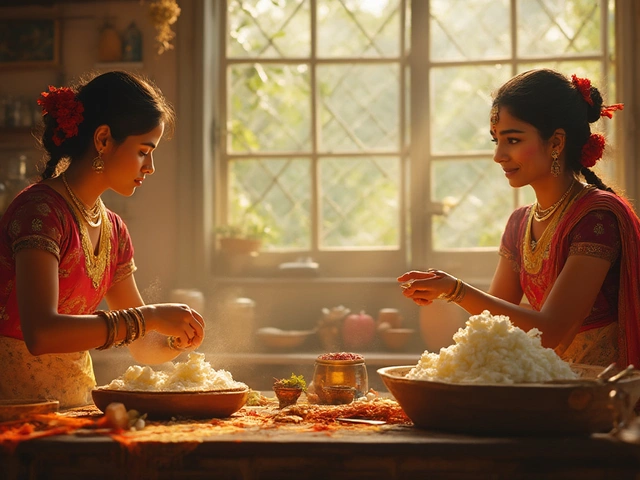
Breakfast in a Sikh household is rarely just about fueling up for the day. It is often a spiritual act, a communal gathering, or a deep dive into centuries-old culinary traditions rooted in Punjab. If you have ever wondered what fills those plates before the sun fully rises over the Golden Temple, you are looking at a mix of sacred offerings, hearty wheat-based dishes, and simple, wholesome ingredients.
The short answer? Most Sikhs eat vegetarian breakfasts that center around milk, wheat, lentils, and ghee. But there is much more to it than just "no meat." The way Sikhs approach morning meals involves concepts like Parshad (blessed food), a sweet semolina pudding offered in Gurdwaras that symbolizes equality and divine blessing, and the daily ritual of Langar (community kitchen).
The Spiritual Core: Parshad and Langar
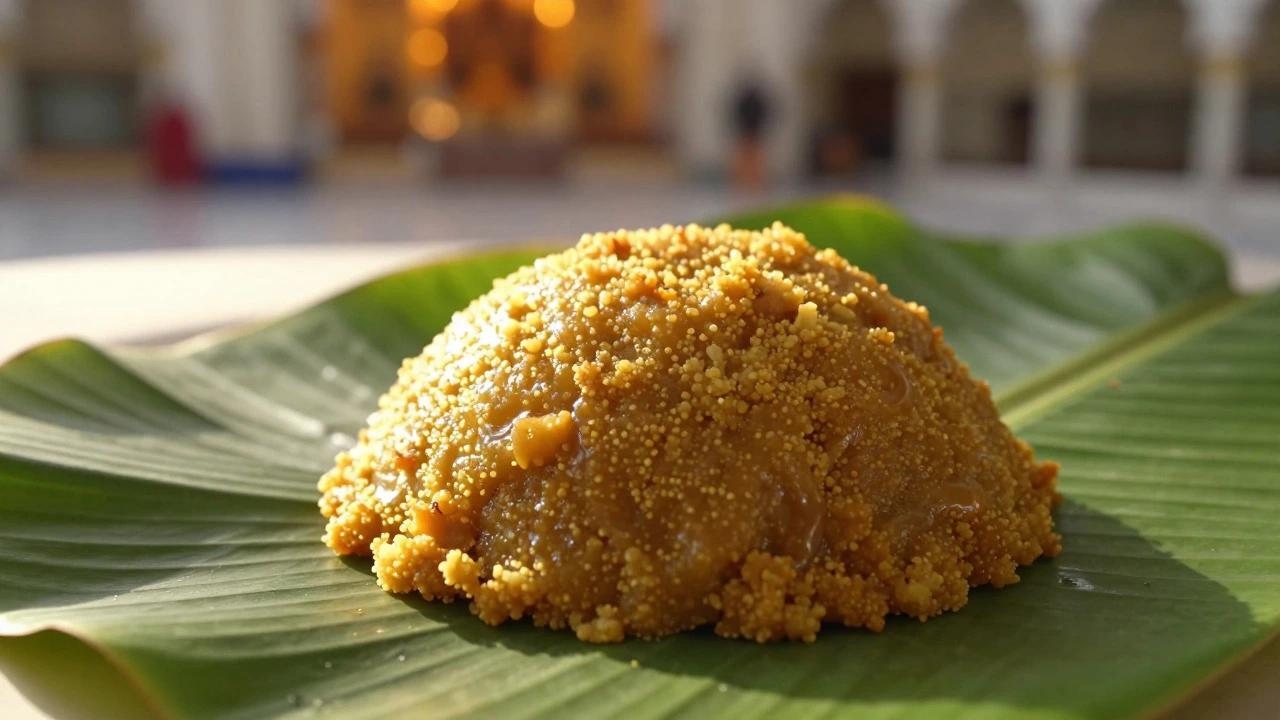
To understand Sikh breakfast, you must first understand where the food comes from. For many practicing Sikhs, the day begins with a visit to the Gurdwara (Sikh temple). There, they receive Karah Prasad. This isn't just dessert; it is a central part of the worship experience.
Karah Prasad is made from equal parts of whole wheat flour, sugar, and ghee (clarified butter). It is cooked in a large iron pot called a karah until it reaches a specific consistency-neither too dry nor too wet. When you eat it, you are consuming a mixture that represents the balance of life. Traditionally, it is served on banana leaves or paper cones, and devotees eat it with their hands, often placing a small portion on their forehead as a sign of respect before consuming the rest.
This practice ties directly into Langar, the free community kitchen found in every Gurdwara. While Langar serves lunch and dinner primarily, the principle applies to all meals: everyone sits together on the floor, regardless of caste, creed, or status, and eats the same food. This egalitarian approach influences home cooking too. Simplicity, purity, and sharing are key values.
Classic Home Breakfasts: The Punjabi Staples
When we move from the Gurdwara to the home kitchen, the menu shifts to savory, filling dishes designed to sustain energy through hard work or busy schedules. Punjab, the homeland of Sikhism, is an agricultural hub known for its dairy and grain production. Consequently, breakfasts are rich in these elements.
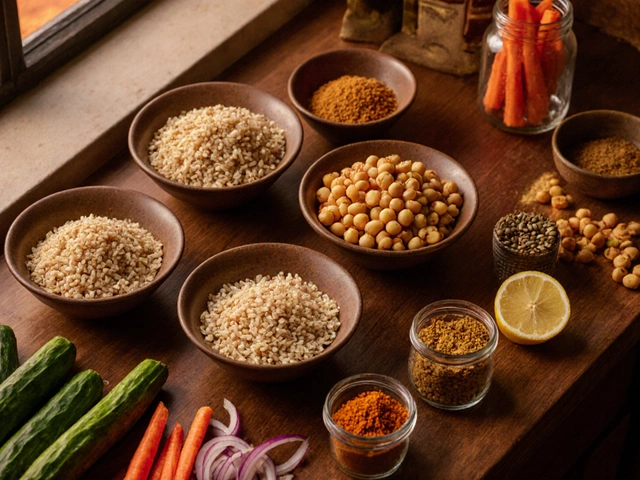
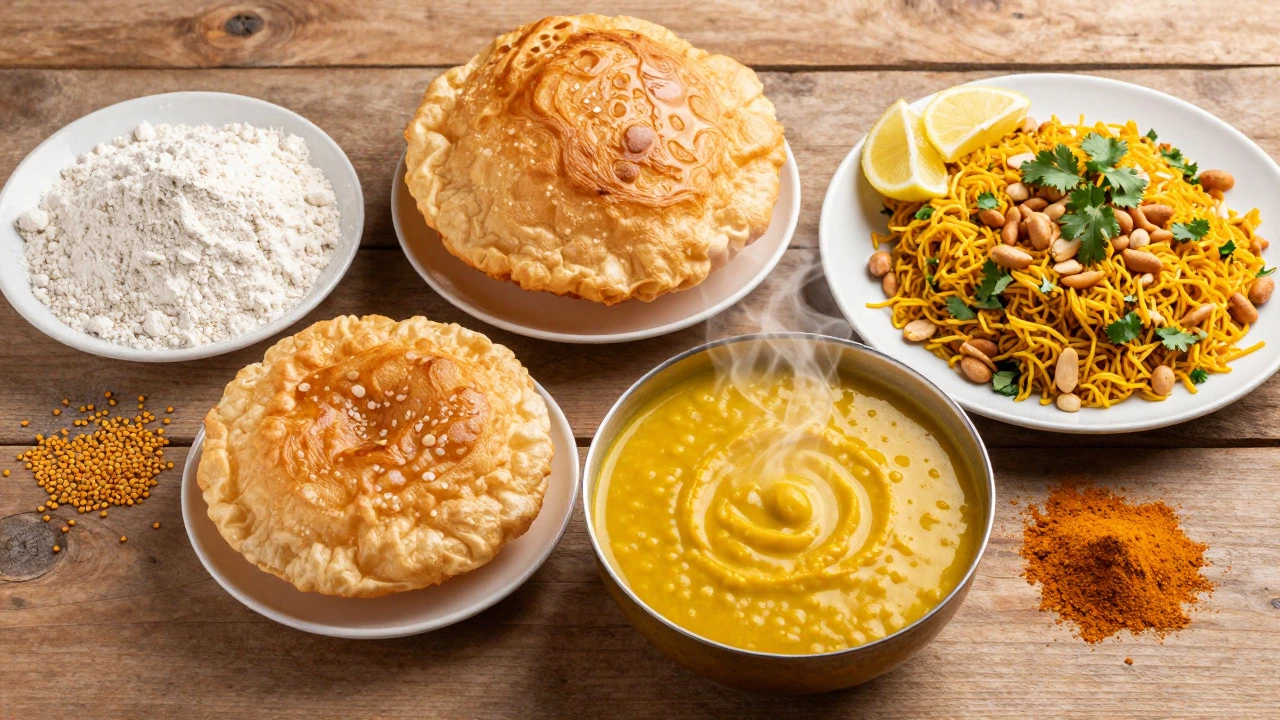
- Poha (Flattened Rice): Light, quick, and comforting. Flattened rice flakes are sautéed with onions, mustard seeds, turmeric, and curry leaves, then topped with fresh coriander, peanuts, and lemon juice. It’s easy to digest and perfect for early mornings.
- Dal Puri: A heavier option for weekends or cold days. Deep-fried whole wheat bread (puri) is served with thick, spiced yellow lentil soup (dal). The contrast between the crispy bread and the soft, tangy dal is irresistible.
- Makki di Roti with Sarson da Saag: While traditionally a winter dish, this combination of cornmeal flatbread and mustard greens stew is so iconic it often appears in morning meals during colder months. It is dense, nutritious, and deeply satisfying.
- Chole Bhature: Chickpea curry served with fluffy, deep-fried bread. Though often considered a lunch item, many families enjoy a lighter version for brunch or weekend breakfasts.
Lacto-Vegetarian vs. Jhatka: Dietary Nuances
A common misconception is that all Sikhs are strictly vegetarian. In reality, dietary practices vary widely based on personal belief, family tradition, and level of religious observance.
Lacto-Vegetarian: Many Sikhs, especially those who take Amrit (initiation into the Khalsa order), follow a lacto-vegetarian diet. They avoid onion and garlic in some contexts, particularly when preparing food for the Gurdwara, though home consumption varies. Their breakfasts rely heavily on dairy products like yogurt, paneer (cottage cheese), and milk.
Jhatka Meat Eaters: Other Sikhs consume meat, but with a specific condition: the animal must be killed instantly by a single cut (Jhatka), rather than slowly bled out as in Halal slaughter. Beef is generally avoided out of respect for cows, which are revered in Indian culture. So, while a Muslim neighbor might have kebabs for breakfast, a Sikh family eating meat might have tikkas or sausages made from chicken, goat, or mutton. However, meat is far less common for breakfast than lunch or dinner.
| Dish | Main Ingredients | Preparation Time | Best For |
|---|---|---|---|
| Poha | Flattened rice, peanuts, spices | 15 minutes | Quick weekday mornings |
| Dal Puri | Wheat flour, yellow lentils, spices | 45 minutes | Weekends, festive occasions |
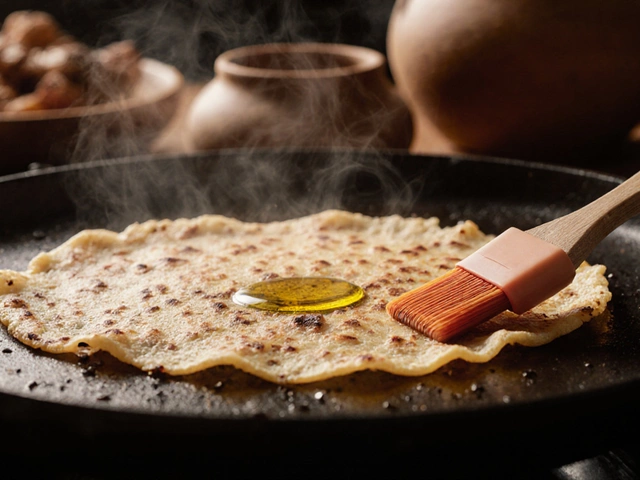
| Paratha | Whole wheat dough, potato/onion stuffing | 30 minutes | Hearty, filling meals |
| Karah Prasad | Flour, sugar, ghee | 20 minutes | Spiritual offering, Gurdwara visits |
Regional Variations: Beyond Punjab
Sikh communities exist worldwide, and their breakfast habits adapt to local availability and climate. In India, especially in Punjab, Haryana, and Delhi, the staples remain consistent. But in diaspora communities like those in Canada, the UK, or the US, fusion elements appear.
In colder climates, you might see more porridge-like oats mixed with traditional spices. In tropical regions, lighter options like fruit salads with yogurt become more prominent. Yet, the core identity remains: whole grains, dairy, and minimal processing. Even in Cape Town, where I live, Sikh families maintain these traditions by importing specific flours and spices, ensuring the taste of home stays intact.
Why Simplicity Matters
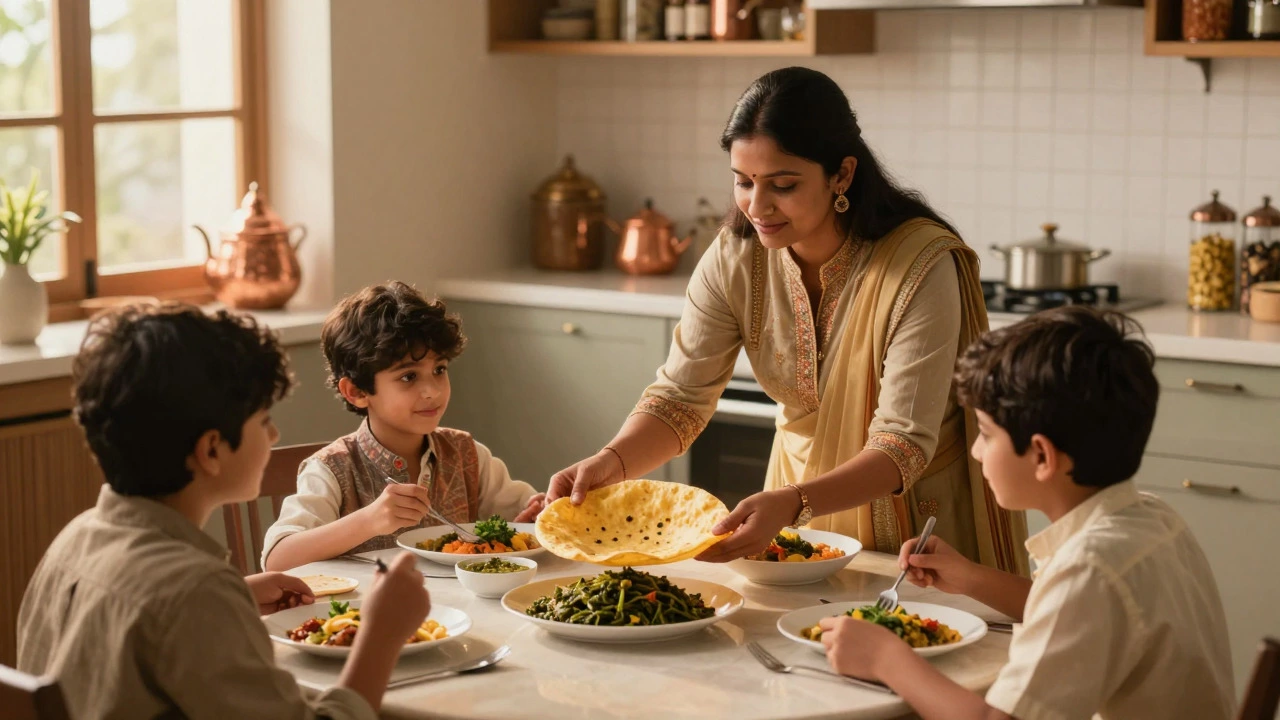
The underlying philosophy of Sikh cuisine is simplicity and honesty. Food should nourish the body without distracting the mind. Elaborate sauces, excessive frying, or overly complex spice blends are rare in traditional breakfasts. Instead, the focus is on the quality of the ingredients. Freshly churned butter, stone-ground wheat, and pure ghee are prized.
This simplicity also reflects the Sikh value of Namaskar (respect) for nature’s gifts. Wasting food is frowned upon, and portions are often generous to ensure no one goes hungry. Whether you are eating a humble bowl of poha or a lavish spread of puris, the intention is gratitude.
Modern Adaptations and Health Trends
Like any culture, Sikh dietary habits are evolving. Younger generations are increasingly health-conscious, leading to modifications of traditional recipes. Whole wheat parathas are now stuffed with quinoa or kale instead of just potatoes. Poha is sometimes prepared with less oil and more vegetables. Dairy alternatives like almond milk are gaining traction among those with lactose intolerance.
Despite these changes, the essence remains unchanged. The meal is still shared, still respectful, and still centered around community and faith. Whether you are breaking your fast after a night of prayer or simply starting your workday, a Sikh breakfast offers warmth, nourishment, and a connection to heritage.
Is Karah Prasad vegan?
No, traditional Karah Prasad contains ghee (clarified butter), which is a dairy product. Therefore, it is vegetarian but not vegan. Some modern variations may use oil, but the standard recipe in Gurdwaras uses ghee.
Do Sikhs eat eggs for breakfast?
Opinions vary. Strictly vegetarian Sikhs avoid eggs. Those who eat meat (Jhatka) may also eat eggs, as they are not considered flesh. However, eggs are not a traditional staple of Punjabi breakfast cuisine compared to wheat and lentil dishes.
Can non-Sikhs eat Parshad?
Yes, absolutely. Parshad is offered to everyone who enters a Gurdwara, regardless of religion. It is a gesture of welcome and equality. Visitors are encouraged to accept it with both hands and place a little on their forehead before eating.
What is the most popular Sikh breakfast dish?
Poha (flattened rice) and Dal Puri are among the most popular everyday breakfasts. For special occasions or weekends, stuffed parathas with curd and pickle are extremely common.
Are there gluten-free options in Sikh breakfast?
Traditional Sikh breakfast relies heavily on wheat (roti, paratha, puri). However, Poha (rice-based) and certain lentil dishes can be gluten-free if prepared without cross-contamination. Cornmeal (makki) is also naturally gluten-free.