Why India Is Predominantly Vegetarian: History, Culture, and Cuisine
Explore the blend of religion, climate, history, and policy that makes India one of the world's most vegetarian societies, with clear examples and a useful FAQ.
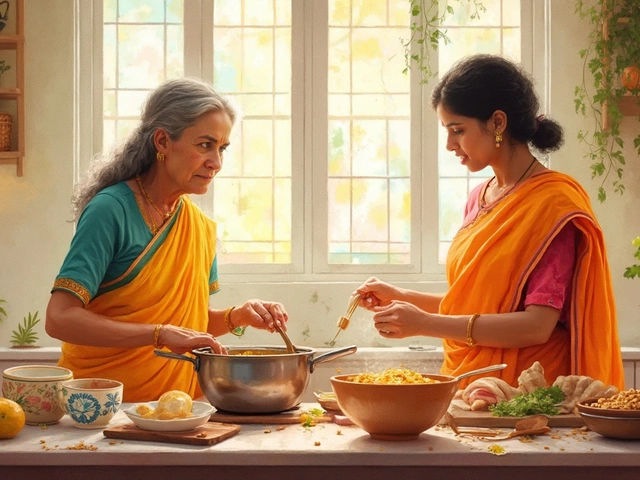
When you think of vegetarian culture India, a deeply rooted way of life where plant-based eating is shaped by religion, economy, and centuries of tradition. Also known as Indian plant-based diet, it’s not a trend—it’s the default for over 400 million people. This isn’t about skipping meat because it’s trendy. It’s about food that’s been cooked the same way for generations, with lentils, vegetables, dairy, and spices forming the backbone of meals from Mumbai to Varanasi.
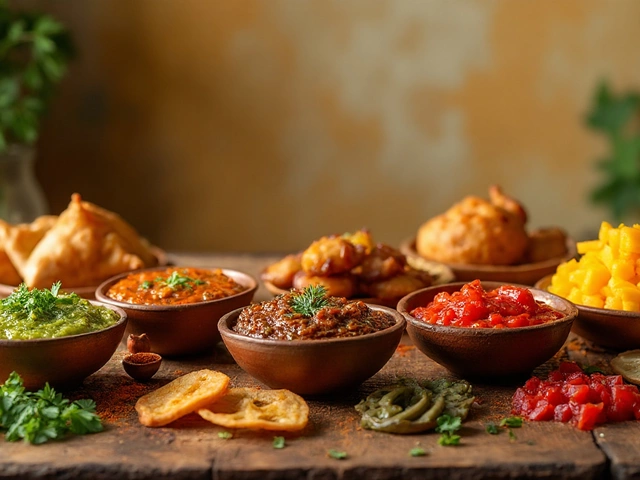
What makes this culture different? It’s not just what’s left out—it’s what’s built in. dal tadka, a simple lentil dish with tempered spices is the everyday meal that feeds families across the country. paneer, a fresh, homemade cheese made from curdled milk replaces meat in curries, kebabs, and snacks because it’s affordable, filling, and cooks fast. Even dosa, a fermented rice and lentil crepe is a complete meal on its own, crispy on the outside, soft inside, and served with chutney and sambar. These aren’t fancy dishes. They’re the ones you’ll find in every home, temple kitchen, and street stall.
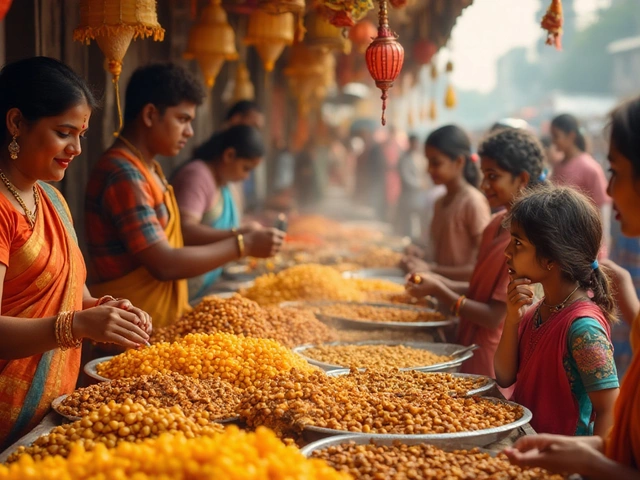
Religion plays a big part, sure—but so does practicality. In many parts of India, meat is expensive. Dairy isn’t. Lentils grow well in dry soil. Vegetables are picked fresh daily. So the food evolved to make the most of what’s available, not what’s imported. That’s why Indian vegetarian food is so rich in flavor: it had to be. Spice blends like garam masala, mustard seeds, turmeric, and asafoetida aren’t just for taste—they help digestion, preserve food, and turn simple ingredients into something unforgettable.
You won’t find this kind of plant-based variety anywhere else. While other countries might have vegetarian options, India has entire cuisines built around them. From the coconut-heavy dishes of Kerala to the wheat-and-dairy meals of Punjab, every region has its own version of meat-free eating. And it’s not bland. It’s bold, colorful, and layered with texture—crispy samosas, creamy butter masala, tangy pani puri, chewy roti dipped in spicy dal. This isn’t sacrifice. It’s celebration.
What you’ll find below is a collection of real, tested, everyday recipes and insights from people who live this culture. No fluff. No theory. Just how to make paneer that doesn’t taste like rubber, why dosa batter needs to ferment just right, which oils give you the crispiest snacks, and why most Indian curries don’t even need meat to be satisfying. Whether you’re new to Indian food or you’ve eaten it your whole life, you’ll walk away with something you didn’t know before.
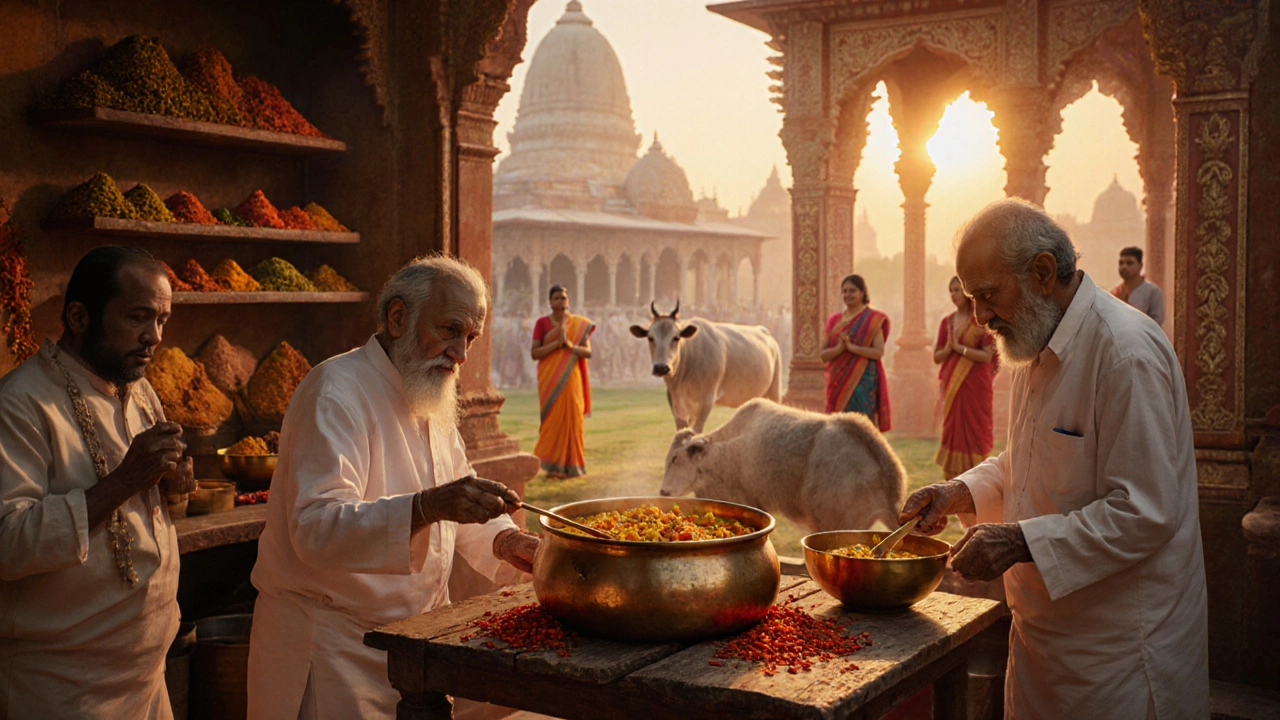
Explore the blend of religion, climate, history, and policy that makes India one of the world's most vegetarian societies, with clear examples and a useful FAQ.