Unhealthy Food in Indian Cuisine: What to Avoid and Why
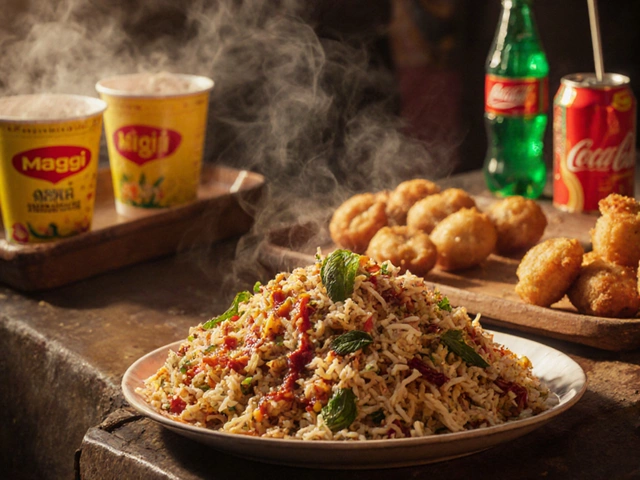
When we talk about unhealthy food, foods high in refined carbs, trans fats, added sugars, or excessive sodium that contribute to chronic health issues. Also known as processed or indulgent foods, it’s not just fast food or soda—it’s also the creamy curries, fried snacks, and sweetened desserts that show up daily in Indian kitchens. Indian cuisine is full of flavor, but not every dish is good for you. Many popular meals rely on deep-frying, heavy cream, ghee, and sugar to deliver taste—and that’s where the problem starts.
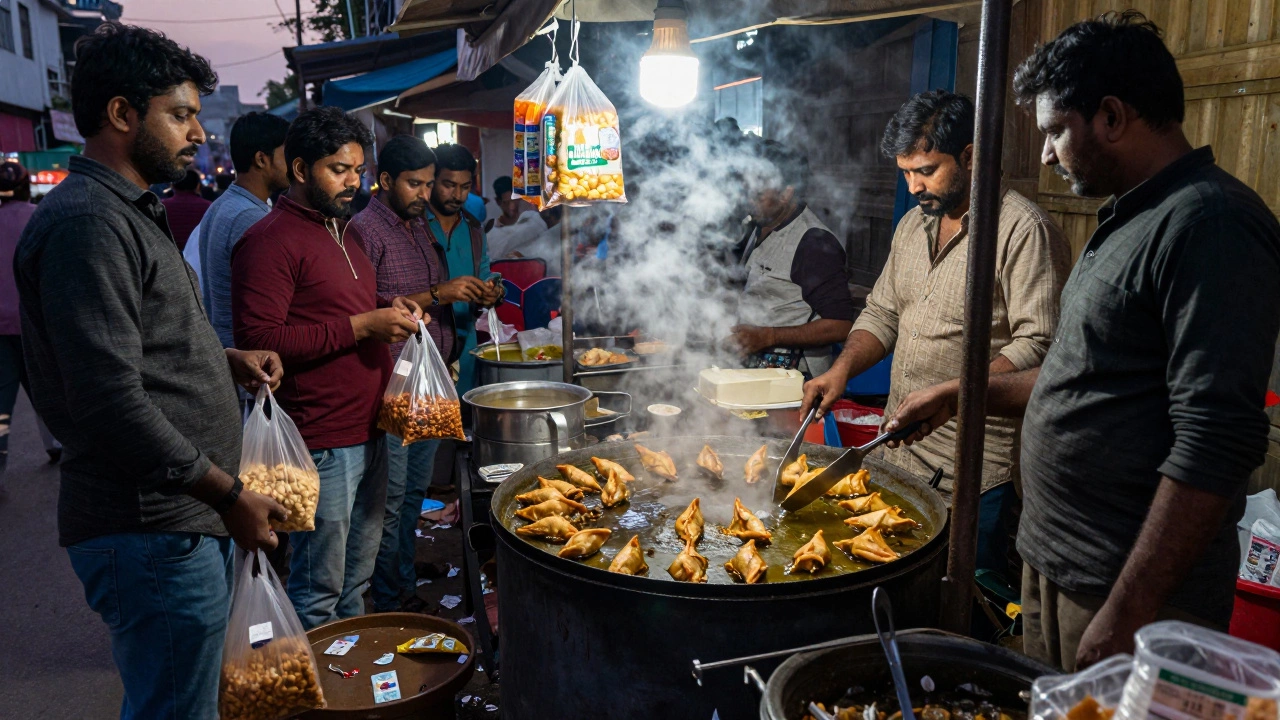
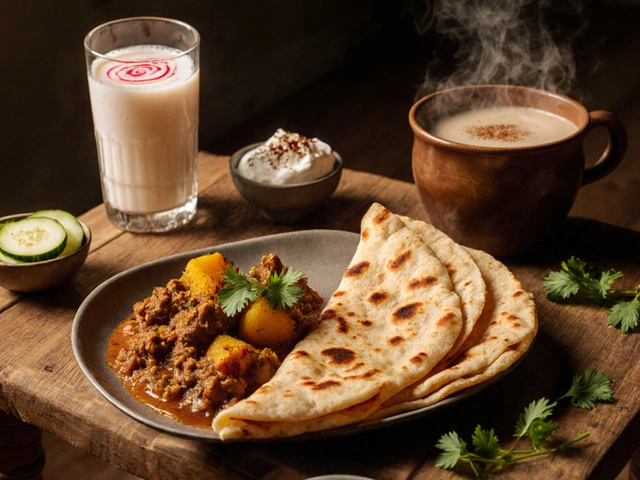
Think about naan, a soft, buttery flatbread often made with refined flour, sugar, and dairy fat. It’s delicious, but eating it daily adds up in calories and refined carbs. Or samosas, crispy fried pastries filled with spiced potatoes and peas. They’re a snack staple, but the oil they soak in during frying makes them a hidden source of trans fats. Even Indian sweets, like jalebi or mysore pak, often use large amounts of sugar syrup or ghee. These aren’t occasional treats—they’re everyday foods, and that’s what makes them risky.
What’s surprising is that some "healthy" Indian dishes aren’t either. A bowl of palak paneer might sound nutritious, but if it’s cooked with a cup of cream and fried onions, it’s more dessert than dinner. Same with biryani—the rice, meat, and spices are fine, but the layer of ghee and fried cashews turns it into a calorie bomb. Even chutneys can be sugar traps. Many store-bought versions are loaded with high-fructose corn syrup, and homemade ones often use way more sugar than needed for balance.
The good news? You don’t have to give up flavor to eat better. Indian cooking has always been about balance. A dal tadka with minimal oil, a roti made with whole wheat, or a tandoori chicken grilled instead of fried—these are the real staples. The dishes that last are the ones that don’t rely on overload. The posts below show you exactly which Indian foods are secretly unhealthy, why they’re problematic, and how to make them better without losing taste. You’ll find swaps for naan, tips to cut sugar in sweets, and clear guides on spotting hidden fats in curries. This isn’t about restriction. It’s about eating well, the Indian way—without the cost to your health.