Pakistani Breakfast Foods: Popular Morning Dishes Explained
Explore the diverse dishes that make up a Pakistani breakfast, from parathas and nihari to sweet halwa puri, plus quick tips, health hacks, and regional variations.
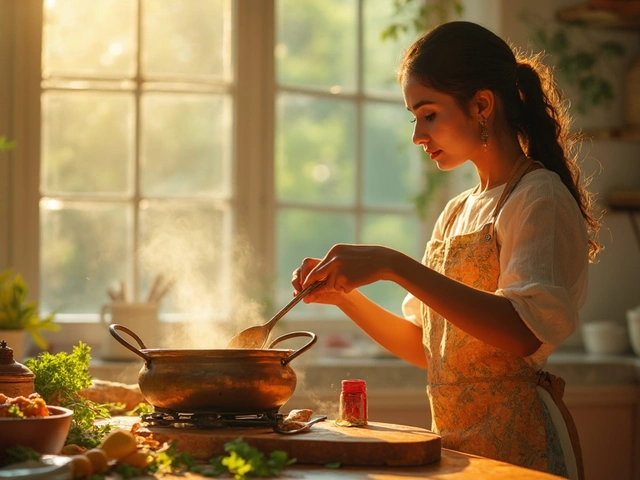
When you think of a traditional Pakistani breakfast, a hearty, spiced morning meal rooted in regional heritage and family tradition. Also known as Pakistani morning food, it’s not just about eating—it’s about starting the day with flavor, warmth, and purpose. Unlike quick Western breakfasts, this is a ritual. It’s slow. It’s shared. And it’s deeply tied to the rhythm of home life across Punjab, Sindh, Khyber Pakhtunkhwa, and beyond.
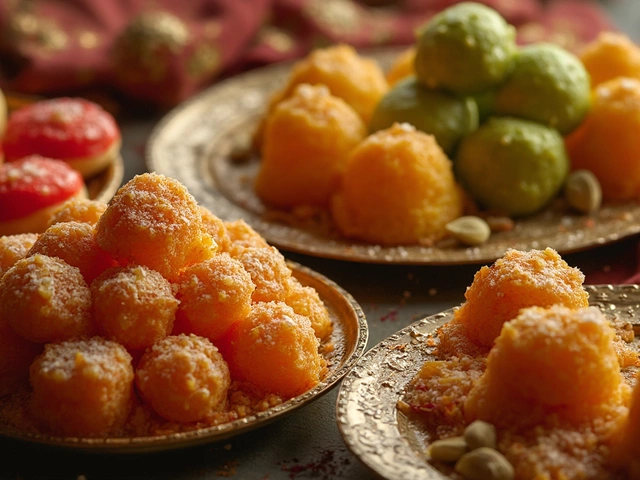
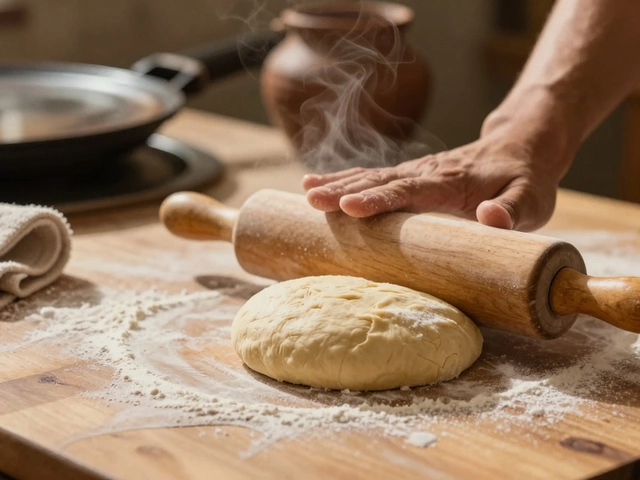
At the heart of this breakfast is paratha, a layered, flaky flatbread often stuffed with potatoes, paneer, or minced meat. It’s cooked on a griddle with ghee or oil until golden and crisp at the edges. You don’t just eat paratha—you tear it, dip it, and savor it with chana masala, a spicy, tangy chickpea curry that’s thick enough to cling to every fold. Or maybe you pair it with daal and a side of halwa puri, a sweet-and-savory combo where fried puris are served with sweet semolina halwa and spiced potatoes. These aren’t random dishes—they’re a balanced trio: carbs, protein, and sweetness, all in one plate.
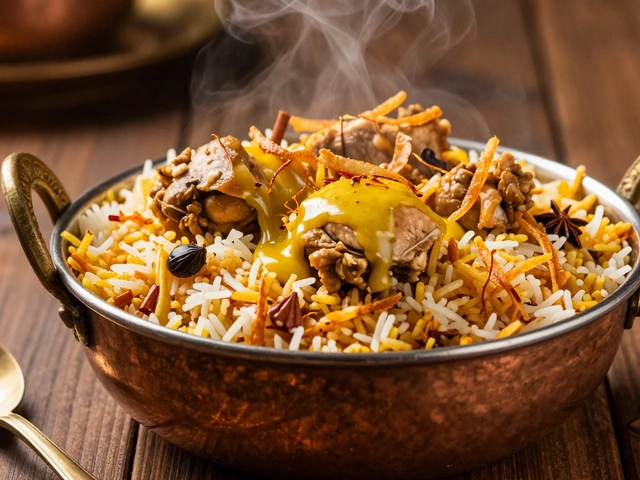
Then there’s nihari, a slow-cooked stew of beef or lamb shanks, simmered overnight with spices like cardamom, cinnamon, and ginger. While often seen as a weekend dish, in many homes, it’s the crown jewel of Sunday mornings, served with naan and garnished with fresh ginger and green chilies. You’ll also find kheer on the side—rice pudding sweetened with jaggery or sugar, sometimes flavored with cardamom and saffron. And let’s not forget the tea: doodh patti, a strong, milky tea brewed with black tea leaves, milk, sugar, and sometimes a pinch of cardamom. It’s not just a drink—it’s the glue that holds the whole meal together.
What makes these breakfasts different from Indian or Bangladeshi ones? It’s the spice blend, the way ghee is used, the emphasis on slow-cooked meats, and the way families gather around the table before heading to work or school. These aren’t dishes you find in a restaurant menu—they’re passed down through generations, tweaked by mothers and grandmothers, cooked in clay tandoors or cast-iron tawas.
Below, you’ll find real recipes and honest tips from people who cook these meals every day. Whether you’re trying to recreate the taste of your childhood or exploring Pakistani food for the first time, these posts will show you how to get it right—not just the ingredients, but the timing, the heat, the feel.
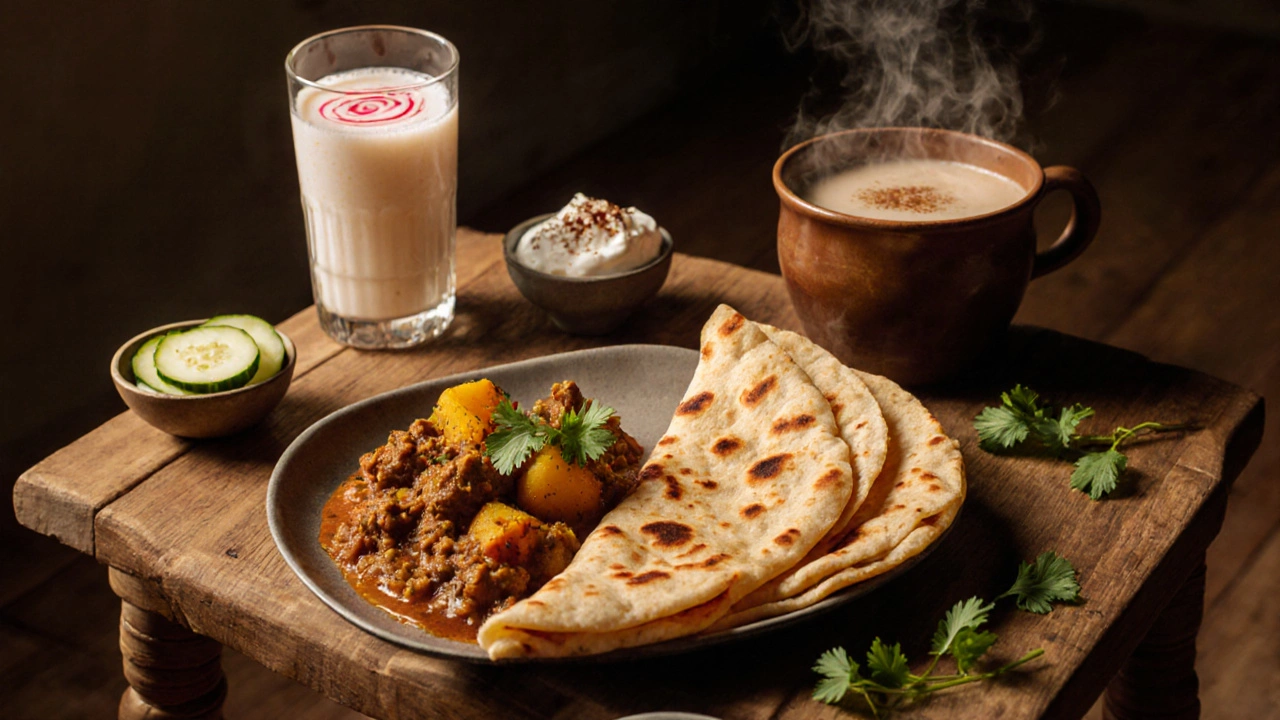
Explore the diverse dishes that make up a Pakistani breakfast, from parathas and nihari to sweet halwa puri, plus quick tips, health hacks, and regional variations.