Why Tandoori Chicken Is So Tender - Science and Tips
Discover the science behind ultra‑tender tandoori chicken, learn the perfect yogurt marinade, cooking methods, step‑by‑step recipe, and troubleshooting tips.
When you think of tender chicken, juicy, spiced chicken cooked to perfection in Indian kitchens, often using yogurt, spices, and high heat. Also known as Indian-style grilled chicken, it’s the backbone of dishes like tandoori chicken and chicken tikka. This isn’t just about cooking chicken—it’s about transforming it. Most people end up with dry, rubbery chicken because they skip the real secret: marinating in yogurt and spices for hours, not minutes. The yogurt doesn’t just add flavor—it breaks down proteins gently, so the meat stays moist even when blasted with heat in a tandoor or under a broiler.
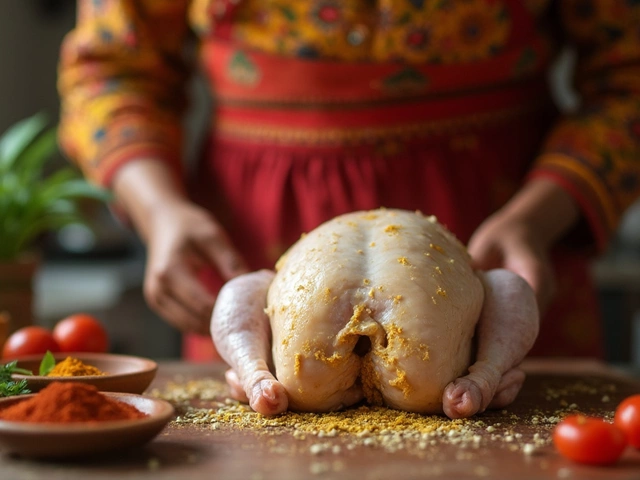
What makes Indian tender chicken different from other grilled chicken? It’s the yogurt marinade, a simple mix of plain yogurt, garlic, ginger, and spices like cumin, coriander, and turmeric. Also known as Indian spice paste, it’s the foundation of nearly every popular chicken dish from North India. You don’t need fancy tools. Just a bowl, your hands, and time. The longer you let the chicken sit—12 hours is ideal, but even 4 hours helps—the more the yogurt works its magic. Skip this step, and you’re just grilling plain chicken with spices on top. That’s not Indian cooking. That’s decoration.
Then there’s the tandoori chicken, a specific dish where chicken is marinated, skewered, and cooked in a clay oven at high temperatures. Also known as charcoal-grilled chicken, it’s the reason you see that deep red, slightly charred exterior and juicy interior. The black bits you see inside? That’s not burnt—it’s caramelized spice and natural charring from the intense heat. It’s safe, it’s flavorful, and it’s intentional. Many people rinse off the marinade before cooking, thinking it’s too wet. Don’t. That yogurt coating is what protects the meat and locks in moisture. Rinsing it off is like throwing away the key to tender chicken.
And if you’ve ever wondered why chicken tikka and tandoori chicken aren’t the same thing, it comes down to the cut and the cooking method. Chicken tikka uses smaller, boneless pieces, while tandoori chicken often includes bone-in thighs or drumsticks. Both rely on the same marinade, but the size and shape change how they cook—and how tender they turn out. The key isn’t the recipe. It’s the patience. The waiting. The trust in the process.
You’ll find all of this in the posts below: how to get the perfect marinade, why certain oils work better for searing, what happens if you skip the yogurt, and how to avoid the most common mistakes that turn tender chicken into tough disappointment. These aren’t just recipes. They’re fixes for real problems home cooks face every day. Whether you’re making chicken for the first time or you’ve tried and failed before, what’s here will help you finally get it right.
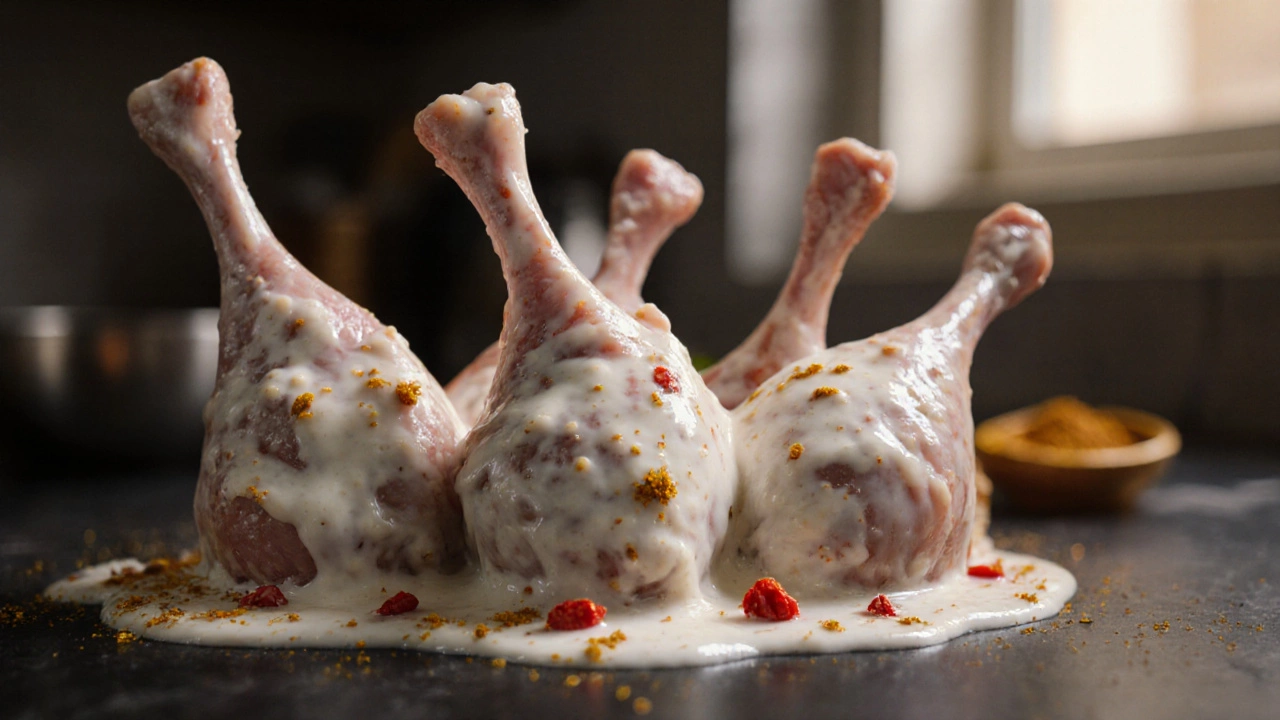
Discover the science behind ultra‑tender tandoori chicken, learn the perfect yogurt marinade, cooking methods, step‑by‑step recipe, and troubleshooting tips.

Frustrated with rubbery, tough chicken in your curry? This article digs into the top reasons your chicken ends up chewy and how to fix it. You’ll learn which chicken cuts stay soft, why timing matters, and the biggest mistakes home cooks make. Get simple tips for marinating and cooking chicken that guarantee a juicy result every time. No more disappointing curries—just flavorful, tender chicken in every bite.