Indian Snack Calorie Calculator
Calculate Your Snack Calories
Choose healthy Indian snacks and adjust portions to see total calories
Your Snack List
Total Calories: 0
When you think of Indian food, you might picture creamy butter chicken, crispy samosas, or rich gulab jamun. But not all Indian food is heavy. In fact, many traditional Indian snacks are naturally low in calories, packed with fiber, and made with simple, whole ingredients. If you’re trying to eat healthier without giving up flavor, you’re in the right place.
Why Indian Snacks Can Be Surprisingly Light
Indian cuisine has deep roots in Ayurveda, an ancient system that values balance, digestion, and fresh ingredients. Many traditional snacks were designed to be eaten between meals to keep energy steady-not to overload the body. That’s why you’ll find snacks made with lentils, vegetables, yogurt, and spices instead of deep-fried dough and heavy cream.
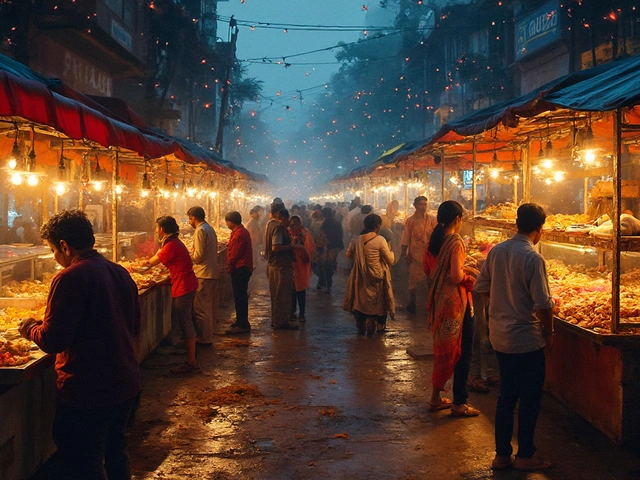
Take chaat, for example. It’s not just street food-it’s a category of snacks built on crunchy textures, tangy chutneys, and protein-rich bases like chickpeas or boiled potatoes. When prepared right, it’s a meal that satisfies without weighing you down.
1. Masala Chaat (Chickpea Salad)
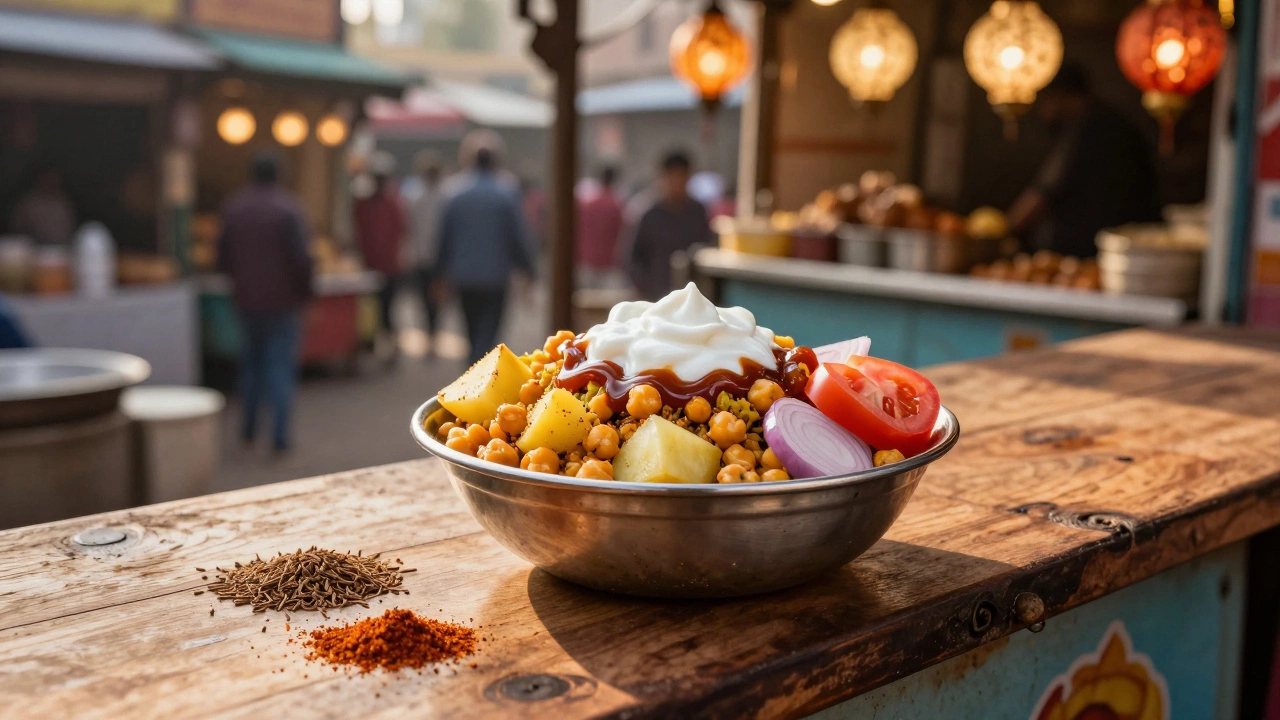
One of the least fattening Indian snacks you can eat is masala chaat. It’s made with boiled chickpeas, diced potatoes, onions, tomatoes, and a sprinkle of roasted cumin and chaat masala. Topped with a spoonful of plain yogurt and a dash of tamarind chutney, it’s bursting with flavor and under 150 calories per serving.
What makes it so light? Chickpeas are high in protein and fiber, which keep you full longer. The yogurt adds probiotics without added sugar. Skip the fried sev (crunchy noodles) if you’re cutting calories-most of the fat comes from that topping.
2. Moong Dal Cheela (Lentil Pancakes)
Moong dal cheela is a breakfast staple in many Indian homes. Made from ground yellow lentils, water, and a pinch of spices, it’s blended into a batter and cooked like a thin pancake on a griddle. No oil needed if you use a non-stick pan.
One cheela has about 90 calories and 6 grams of plant-based protein. Eat it with mint chutney or a side of cucumber slices. It’s gluten-free, vegan, and keeps you full until lunch. Unlike wheat-based parathas, this version doesn’t spike your blood sugar.
3. Raita (Yogurt with Vegetables)
Raita isn’t just a side dish-it’s a snack. Mix plain, unsweetened yogurt with grated cucumber, chopped tomato, roasted cumin powder, and a pinch of salt. Some people add chopped mint or pomegranate seeds for extra flavor.
A ½ cup serving has around 70 calories and delivers calcium, probiotics, and hydration. It’s cooling, refreshing, and perfect after a spicy meal. Avoid versions with sugar or sour cream-they turn a healthy dish into a calorie trap.
4. Bhel Puri (Puffed Rice Snack)
Bhel puri is a Mumbai street food classic that’s surprisingly light. It’s made with puffed rice, chopped onions, tomatoes, sev (optional), and a mix of tamarind and mint chutneys. The base-puffed rice-is air-popped, not fried.
Without sev, a serving of bhel puri is under 120 calories. The chutneys add flavor without oil, and the vegetables give you fiber and vitamins. Just be careful with portions-because it’s crunchy and tasty, it’s easy to eat a whole bowl without realizing it.
5. Steamed Idli with Coconut Chutney
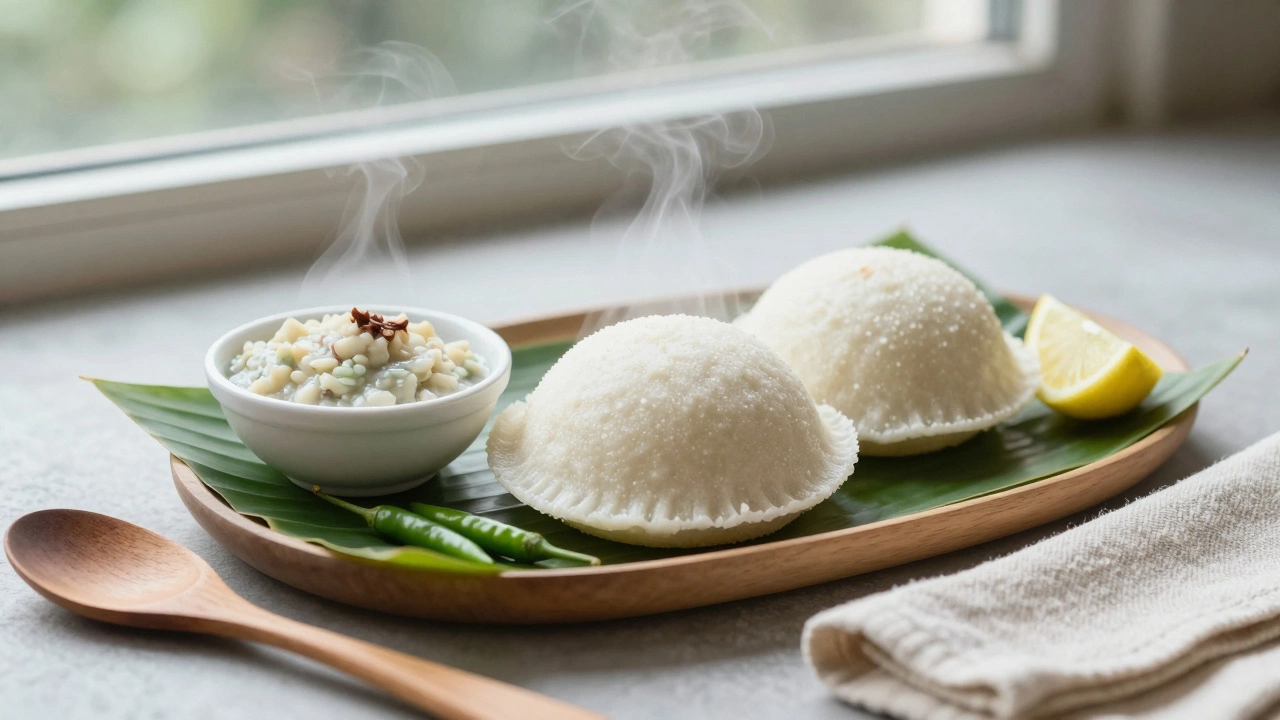
Idli is a South Indian fermented rice and lentil cake, steamed to soft, fluffy perfection. It’s naturally low in fat and high in digestible protein thanks to the fermentation process.
One idli has about 35-40 calories. Two idlis with a small bowl of coconut chutney (made with fresh coconut, green chilies, and a splash of water) total under 150 calories. Skip the sambar if you’re counting calories-it’s usually loaded with oil and lentils.
6. Grilled Paneer Skewers (Tandoori Style)
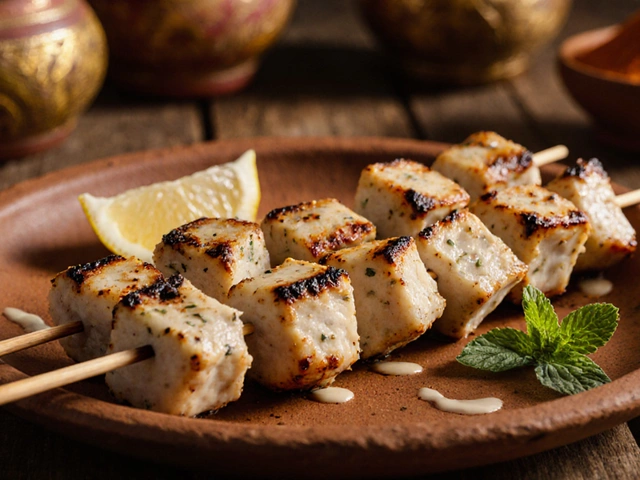
Paneer, the Indian cottage cheese, is often fried or drowned in cream. But when grilled on skewers with spices like cumin, coriander, and paprika, it becomes a lean protein snack.
One skewer (about 50g of paneer) has around 80 calories and 7 grams of protein. Marinate it in yogurt and spices instead of oil for even less fat. Serve with a side of lemon wedges and raw onion slices for extra crunch without calories.
7. Roasted Chana (Spiced Chickpeas)
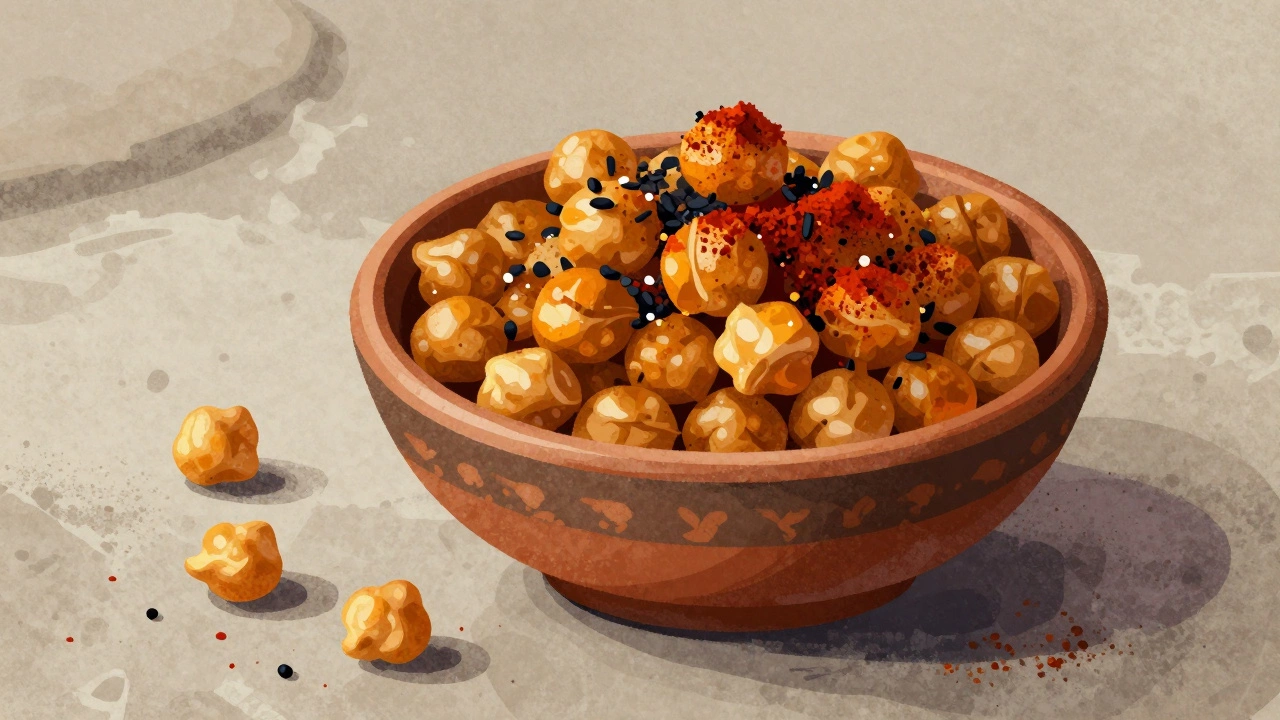
Chickpeas roasted with black salt, chili powder, and ajwain (carom seeds) are the ultimate crunchy snack. They’re high in fiber, protein, and complex carbs-and they’re easy to make at home.
A ¼ cup serving has about 130 calories and 6 grams of fiber. Unlike potato chips, they don’t leave you feeling sluggish. Keep a jar in your bag for when hunger strikes. Store-bought versions often have added oil or sugar, so roast your own.
What to Avoid
Even in healthy Indian snacks, some versions sneak in hidden calories. Watch out for:
- Fried snacks: Samosas, pakoras, and kachoris are made with refined flour and deep-fried in oil. One samosa can have 250+ calories.
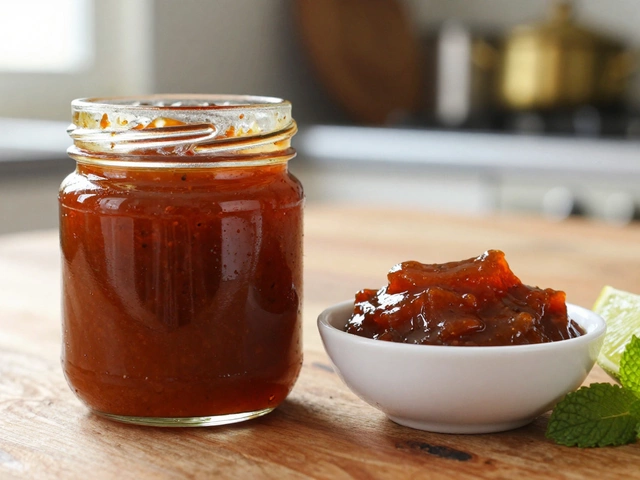
- Sweet chutneys: Some tamarind or date chutneys are loaded with sugar. Look for versions made with jaggery or skip the sweet ones entirely.
- Heavy toppings: Sev, fried onions, and cream-based sauces add fat fast. Ask for them on the side or skip them.
- Processed snacks: Packaged “Indian snacks” often contain hydrogenated oils and preservatives. Stick to fresh, homemade versions.
How to Make Healthy Snacks Even Better
Here are a few simple swaps that make a big difference:
- Use Greek yogurt instead of regular yogurt for more protein.
- Roast your own spices instead of buying pre-ground-they’re more flavorful and don’t have added salt or oil.
- Steam or grill instead of fry. A non-stick pan or air fryer works great.
- Use lemon juice or vinegar instead of sugar to balance flavors.
- Portion control matters. Even healthy snacks add up if you eat too much.
Real-Life Example: A Day of Healthy Indian Snacking
Here’s what a day might look like:
- Mid-morning: 2 idlis with coconut chutney (80 calories)
- Afternoon: Masala chaat without sev (140 calories)
- Evening: Roasted chana (130 calories)
Total: 350 calories. That’s less than one large slice of pizza-and you’re getting protein, fiber, and nutrients. No hunger crashes. No guilt.
Bottom Line
You don’t need to give up Indian food to eat healthy. The least fattening Indian snacks are the ones that have been around for centuries-made with lentils, vegetables, yogurt, and spices. Skip the frying, skip the sugar, and focus on freshness. These snacks aren’t just low in calories-they’re full of flavor, culture, and real nutrition.
Is Indian food good for weight loss?
Yes, if you choose the right dishes. Many traditional Indian snacks are plant-based, high in fiber, and low in unhealthy fats. Focus on steamed, grilled, or boiled options like idli, chaat, and roasted chana. Avoid fried snacks and creamy curries.
What is the lowest calorie Indian snack?
Raita (plain yogurt with cucumber and spices) is one of the lowest calorie Indian snacks, with about 70 calories per half-cup serving. It’s hydrating, cooling, and packed with probiotics. Steamed idli comes close at 35-40 calories each.
Are Indian street foods healthy?
Some are, some aren’t. Bhel puri and pani puri (without sweet chutney) can be healthy if made fresh and without fried toppings. But samosas, vada pav, and fried pakoras are high in calories and trans fats. Ask for no sev, no fried onions, and extra chutney instead of oil.
Can I eat Indian snacks daily on a diet?
Absolutely. Snacks like moong dal cheela, roasted chana, and raita are nutrient-dense and can be eaten daily. Just watch portion sizes and avoid adding sugar or oil. These snacks can replace processed snacks like chips or cookies without leaving you hungry.
Why is yogurt used so much in Indian snacks?
Yogurt is a traditional digestive aid in Indian cuisine. It cools the body, balances spicy flavors, and adds protein without fat. Plain, unsweetened yogurt is low in calories and helps with gut health. It’s also a natural thickener for chutneys and dips.
What’s the best time to eat healthy Indian snacks?
The best times are mid-morning (between breakfast and lunch) and mid-afternoon (to avoid evening cravings). These snacks stabilize blood sugar and prevent overeating at meals. Avoid eating heavy snacks right before bed.
Next Steps
If you’re new to healthy Indian snacks, start with one or two: try roasted chana for crunch, or make a simple raita to go with your lunch. Keep a small jar of homemade chaat masala in your pantry-it’s just cumin, coriander, black salt, and dried mango powder. No preservatives. No sugar. Just flavor.
Once you get used to these snacks, you’ll find you don’t miss the fried stuff. The real magic isn’t in cutting calories-it’s in rediscovering food that makes you feel good, inside and out.