Pickle Relish: What It Is, How It's Made, and Why It Matters in Indian Kitchens
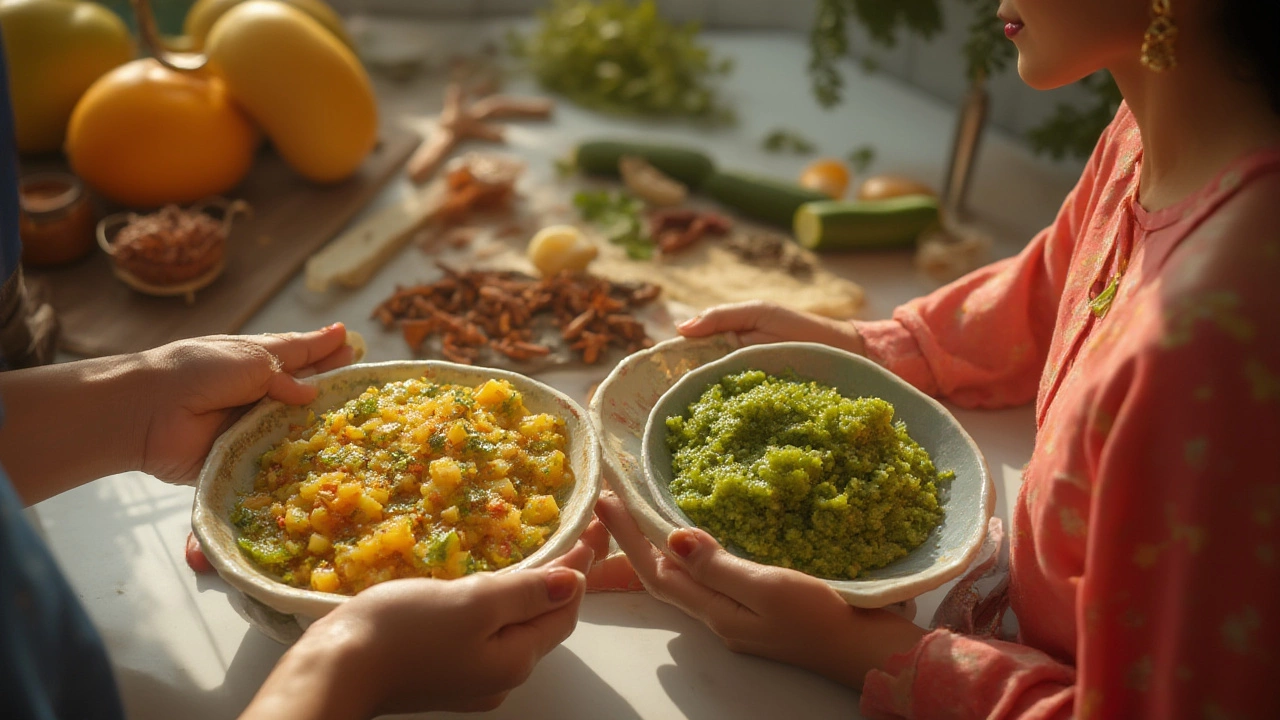
When you think of pickle relish, a chunky, tangy condiment made from chopped pickled vegetables and spices. Also known as pickled vegetable relish, it is a sharp, bright contrast to rich curries and flatbreads. In Indian kitchens, it’s not called "relish"—it’s called chutney, a fresh or fermented sauce made from fruits, vegetables, herbs, and spices, or achaar, a traditional Indian pickle preserved in oil, salt, and spices for long-term storage. But the idea is the same: a small spoonful transforms a meal. It cuts through fat, wakes up bland rice, and adds crunch where you least expect it.
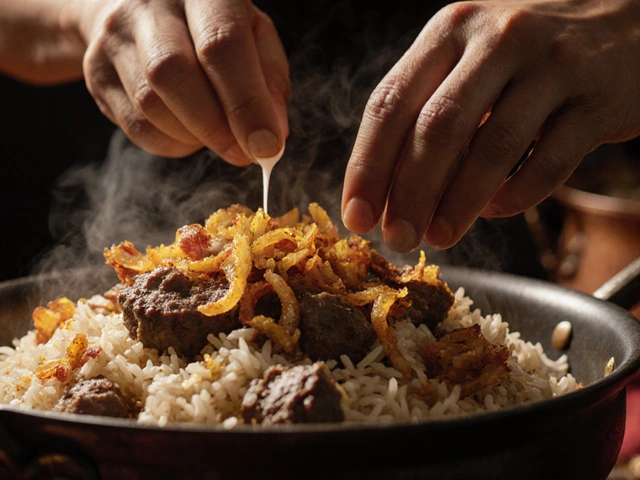
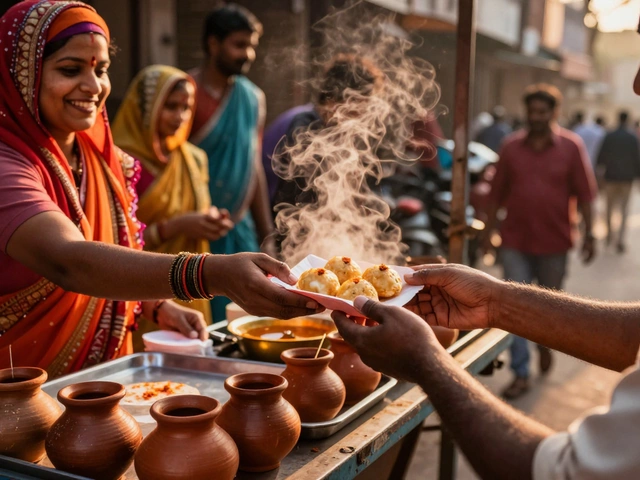
Pickle relish, whether called chutney or achaar, isn’t just about taste—it’s about balance. Indian meals are built on the idea of six flavors: sweet, sour, salty, bitter, pungent, and astringent. A good relish hits at least three of those at once. Think of the sourness of tamarind, the heat of green chilies, the crunch of raw mango, and the earthiness of mustard seeds—all packed into a jar. That’s not seasoning. That’s strategy. And it’s why you’ll find relishes alongside every meal, from breakfast dosas to dinner biryanis. You don’t need a fancy recipe. You just need fresh ingredients, salt, oil, and time. Some relishes are eaten fresh, like mint chutney on a samosa. Others sit for weeks, like garlic achaar, where the flavors deepen and mellow. Both are essential.
What makes Indian pickle relish different from the American kind? It’s not just the ingredients—it’s the purpose. American relish is often sweet and mild, meant to sit on a hot dog. Indian relish is bold, sometimes spicy, always intentional. It’s not an afterthought. It’s a tool. It’s what you reach for when your dal feels flat, when your roti is dry, or when you just need a jolt. And because of that, it shows up everywhere in Indian cooking. You’ll find it in the same posts that explain how to make dosa batter ferment right, why yogurt marinades shouldn’t be rinsed off chicken, or which oil gives you the crispiest dosa. Because the right relish doesn’t just accompany food—it completes it.
Below, you’ll find real recipes, real stories, and real fixes from Indian kitchens. Whether you’re trying to understand why your pickle went moldy, which sugar works best in sweet chutneys, or how to store achaar without a fridge, the answers are here. No fluff. No theory. Just what works.