Oil in Roti: Why It Matters and How to Use It Right
When you make oil in roti, a small amount of fat added to roti dough that transforms texture, shelf life, and flavor. Also known as roti fat, it’s not just a trick—it’s the secret behind soft, pliable, and long-lasting flatbreads that don’t crack or dry out. Skip it, and your roti turns stiff, brittle, and hard to tear. Add too much, and it becomes greasy and won’t puff. The right amount? Just enough to let the dough breathe, stretch, and cook evenly.
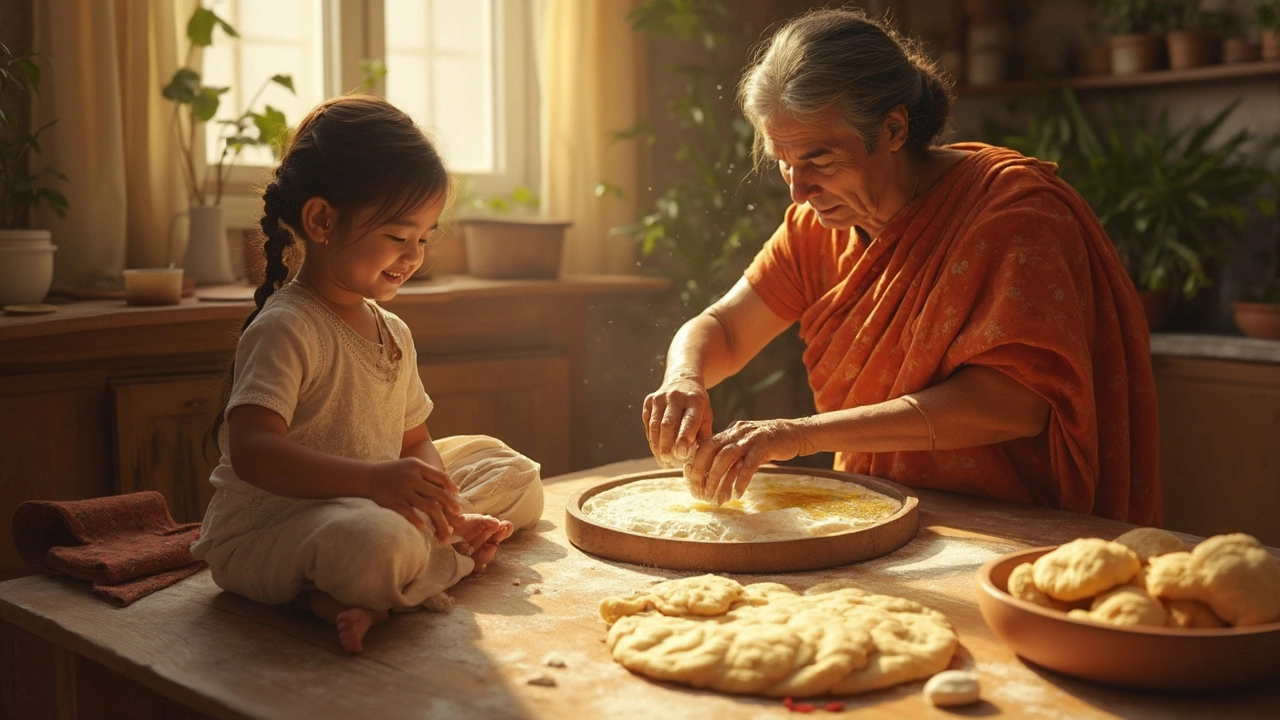
roti making, the traditional method of preparing unleavened Indian flatbread from whole wheat flour. Also known as chapati making, it’s simple—but the devil’s in the details. Most people focus on kneading and rolling, but the oil you choose and when you add it changes everything. Using ghee gives richness and a buttery finish. Coconut oil adds a subtle sweetness and helps with puffing. Even a light drizzle of sunflower oil works if you’re keeping it neutral. The key isn’t the type—it’s the timing. Mix it into the dough while kneading, not after. That way, it coats the gluten strands and keeps them flexible.
cooking oil for roti, the fat used to enhance dough performance and final texture in Indian flatbreads. Also known as roti dough oil, it’s not about frying—it’s about integration. You don’t need expensive oils. Just avoid heavily processed ones with additives. Cold-pressed oils are better, but even regular vegetable oil is fine if it’s fresh. What matters most is consistency. If your dough feels sticky, you’ve added too much. If it’s crumbly, you need more. A teaspoon per cup of flour is the sweet spot for most home cooks.
And don’t forget the surface. Lightly oiling your rolling board keeps the dough from sticking without adding extra fat to the roti itself. Same with the pan—just a wipe with a paper towel dipped in oil. Too much oil on the pan burns the roti and makes it soggy. The goal is a light, even sear with those signature brown spots, not a fried bread.
People think roti is just flour and water. But the best ones? They have a whisper of oil inside. It’s what lets them puff up like clouds, stay soft for hours, and wrap around dal or sabzi without tearing. It’s also why store-bought rotis last longer—oil slows down staling. Homemade rotis without oil dry out by lunchtime. With oil? They’re good until dinner.
Here’s what you’ll find in the posts below: real answers to questions like whether you can skip oil entirely, which oil gives the fluffiest roti, how much is too much, and why some rotis never puff no matter how hard you try. You’ll learn what chefs do differently, what works in rural kitchens versus urban homes, and how to fix common mistakes with just a spoonful of fat. No fluff. No theory. Just what actually makes roti better.