What Is the Best Indian Dish for Beginners? Easy Start to Indian Cooking
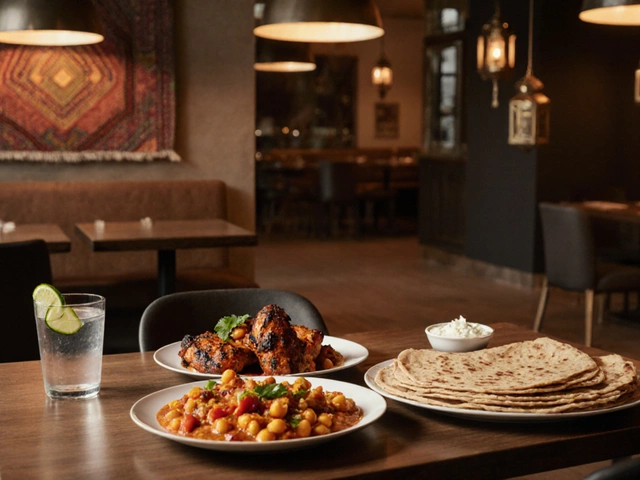
Butter Chicken is the best Indian dish for beginners-creamy, mild, and easy to make with just a few common ingredients. No fancy tools or spices needed.
When people think of Indian food, they often imagine fiery curries and burning chilies—but that’s not the whole story. mild Indian dishes, a wide range of Indian meals designed for subtle, balanced flavor without intense spice. Also known as gentle Indian recipes, these meals rely on aromatic spices like cumin, cardamom, and turmeric to build depth, not heat. You don’t need to sweat to enjoy authentic Indian flavors. Many of these dishes come from home kitchens across India, where meals are tailored to children, elders, or anyone with a sensitive palate. They’re not bland—they’re thoughtful.
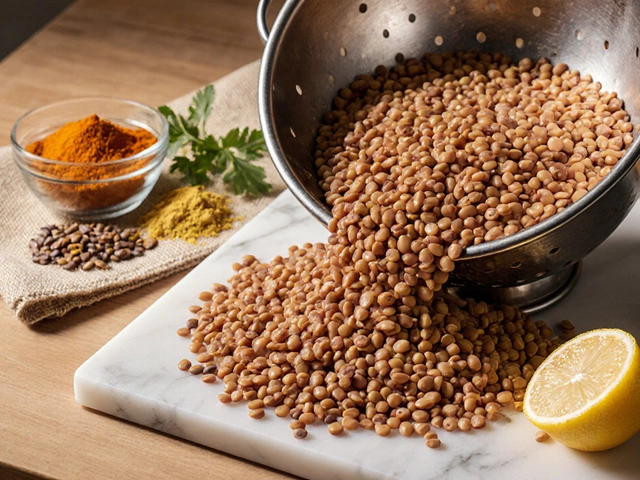
Take dal tadka, a simple lentil dish tempered with mustard seeds and dried red chilies. This is the foundation of Indian home cooking, and it’s naturally mild unless you add extra heat. Or lemon rice, a bright, tangy side dish made with cooked rice, lemon juice, and roasted peanuts. It’s refreshing, easy to digest, and packed with flavor without a single chili. Even paneer, a soft, fresh cheese used in countless Indian dishes. When cooked gently in tomato-based gravies or grilled with just a hint of spice, it becomes a crowd-pleaser for all ages.
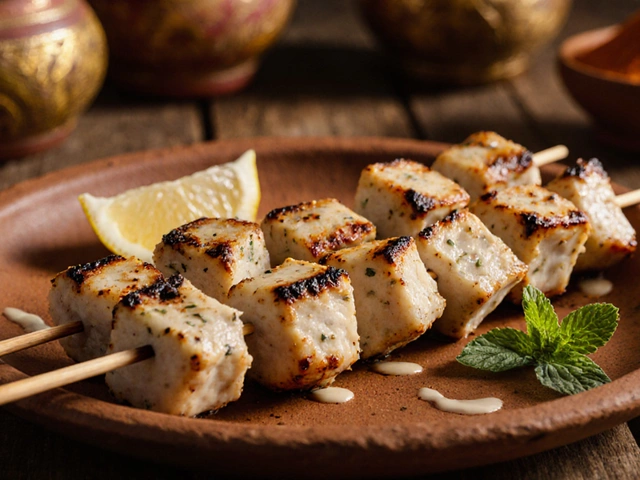
These dishes aren’t exceptions—they’re the norm in many households. In South India, you’ll find dosa, a crispy fermented rice crepe served with mild coconut chutney. In the North, tandoori vegetables, charred but not spicy, marinated in yogurt and spices. Both are served daily, often as lunch or snacks, and rarely come with fire. Even biryani can be mild—just skip the green chilies and let the saffron and cardamom do the talking.
You don’t need to order a "mild" version at a restaurant to find these. They’re already there, hiding in plain sight. The key is knowing what to look for: dishes that use yogurt, milk, coconut, or cream to balance spices, or those that rely on slow-cooked spices instead of fresh chilies. Avoid anything labeled "hot," "spicy," or "punjabi-style" if you want to keep it gentle. Stick to dal, rice, grilled vegetables, paneer, and plain roti—they’re your safest bets.
And if you’re cooking at home, you have total control. Skip the green chilies. Use less red chili powder. Swap in paprika for color without heat. Toast your spices slowly in oil to release their aroma without burning them. That’s how you get flavor that lingers, not burns. These are the tricks passed down in kitchens across India—not in cookbooks, but in quiet moments between meals.
Below, you’ll find real recipes and clear explanations for the most popular mild Indian dishes—no guesswork, no heat overload. Whether you’re feeding a toddler, recovering from illness, or just want food that soothes as much as it satisfies, you’ll find exactly what you need.
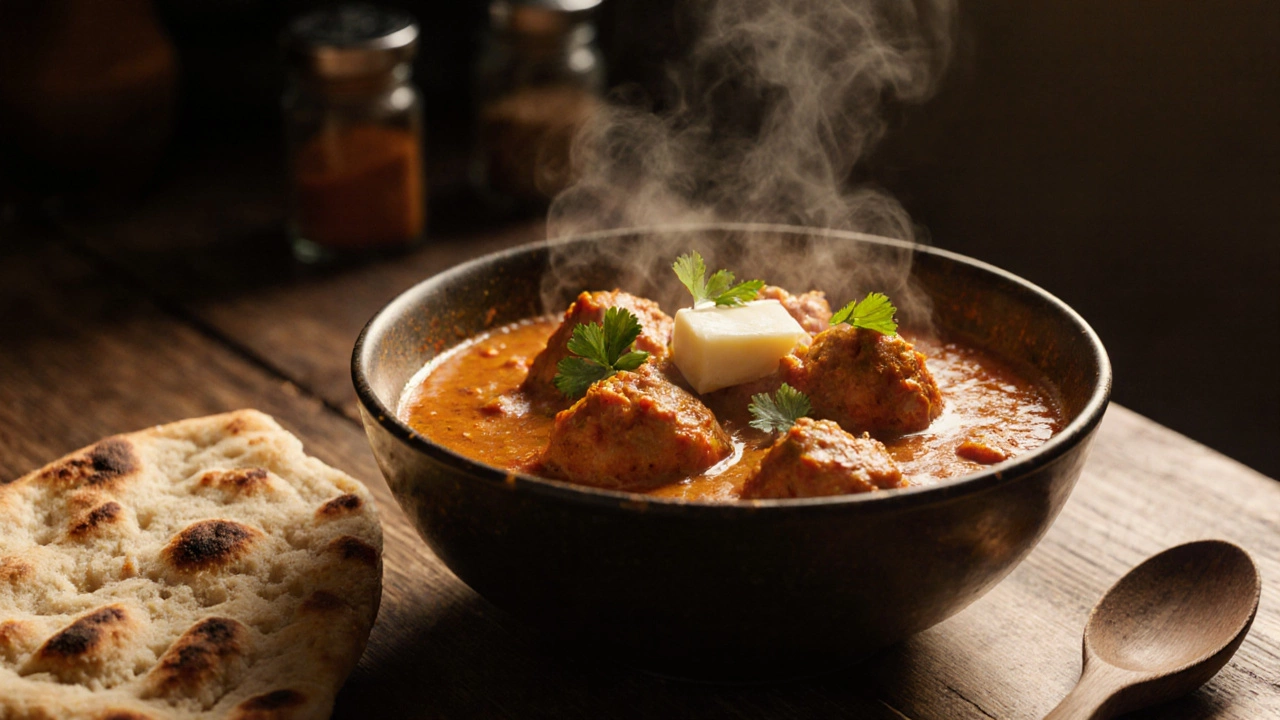
Butter Chicken is the best Indian dish for beginners-creamy, mild, and easy to make with just a few common ingredients. No fancy tools or spices needed.