Using Spoiled Milk to Make Curd - Safe Tips & How‑to Guide
Learn if spoiled milk can be turned into safe, tasty curd, with step‑by‑step instructions, safety checks, and a quick guide to making paneer.
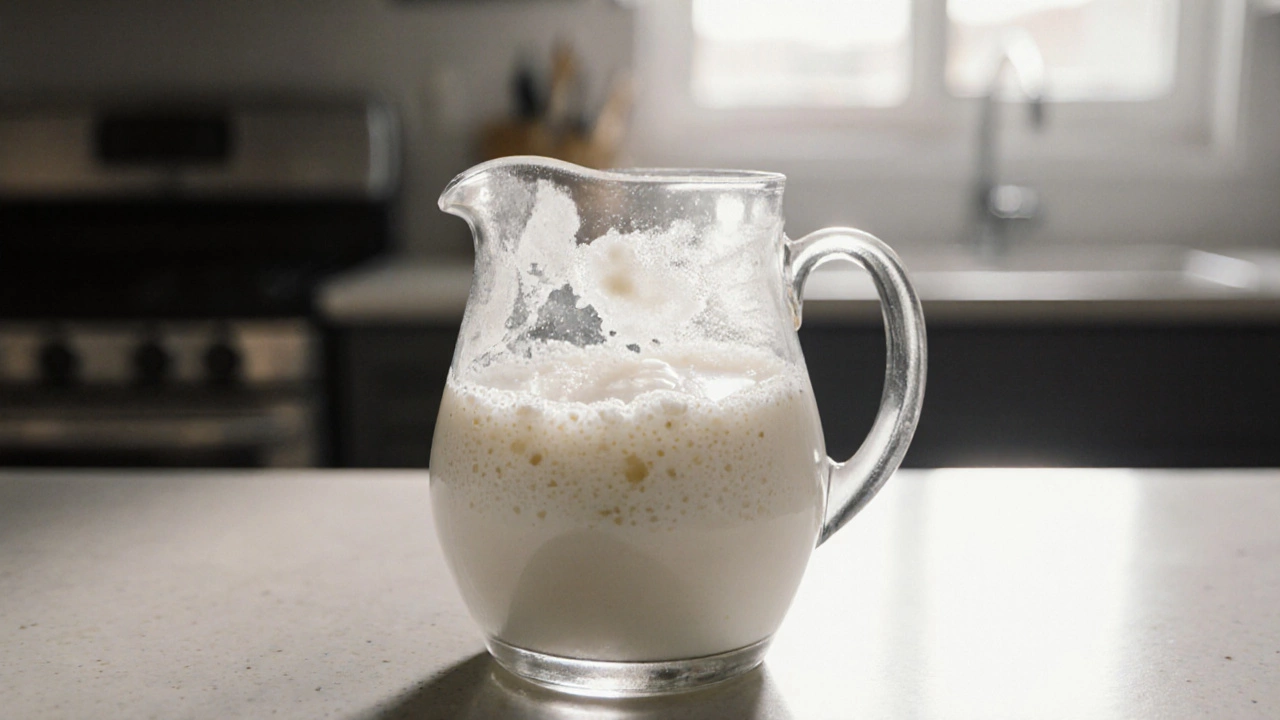
When milk turns sour, most people throw it out. But in Indian kitchens, sour milk, milk that has naturally fermented due to lactic acid bacteria. Also known as tangy milk, it's not waste—it's the starting point for fresh curd, a thick, probiotic-rich dairy product central to Indian meals. You don’t need a store-bought starter. Just heat it right, let it rest, and you get smooth, tangy curd every time. This isn’t magic—it’s centuries-old wisdom passed down through generations of Indian homemakers who never let good milk go to waste.
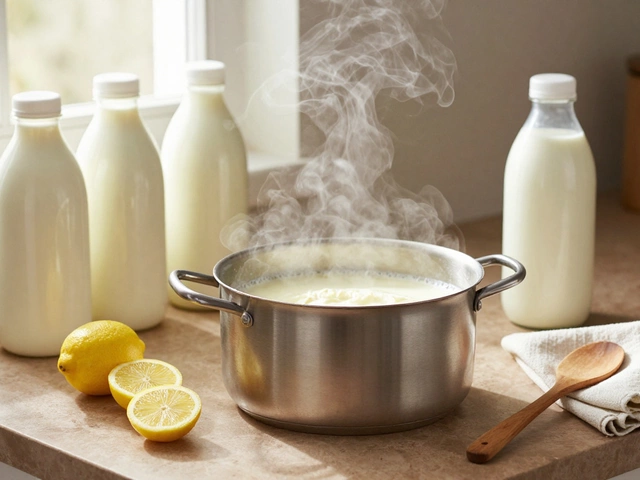
What makes sour milk work for curd? The same bacteria that made it sour—Lactobacillus—are the ones that turn milk into curd. Heat the sour milk gently to about 40°C (no boiling!), then leave it covered in a warm spot for 6 to 8 hours. The warmth wakes up the bacteria, and they keep doing their job: thickening the milk, lowering the pH, and creating that clean tang you love. Strain it through a muslin cloth if you want it thicker, like dahi used in raita or lassi. Skip the fridge until it’s set. Cold kills the fermentation. This method works with cow, buffalo, or even goat milk. No additives. No chemicals. Just milk, time, and heat.
People think curd needs a spoonful of old curd as a starter. But if your milk is already sour, you’ve got everything you need. It’s faster, cleaner, and often tastier than using a starter. Many rural households still do this daily. It’s practical, economical, and deeply tied to how Indian families manage food without waste. You’re not just making curd—you’re continuing a tradition of smart, resourceful cooking. And it’s not just about taste. This kind of naturally fermented curd is packed with live cultures that help digestion, boost immunity, and balance gut health. You don’t need a fancy yogurt maker. A clay pot, a warm corner near the stove, or even a wrapped towel in a sunny window will do.
Look at the posts below. You’ll find real kitchen stories—how to fix runny curd, why some milk won’t set, what temperature kills the good bacteria, and how to use leftover curd in chutneys, dal, or bread. This isn’t theory. It’s what your grandmother knew. What your neighbor still does. And what you can do today with milk you thought was ruined.
Learn if spoiled milk can be turned into safe, tasty curd, with step‑by‑step instructions, safety checks, and a quick guide to making paneer.