Understanding Junk Food in India: Types, Health Impact, and Smarter Choices
Explore what qualifies as junk food in India, its popular forms, health impacts, and practical swaps to enjoy flavor while staying healthier.
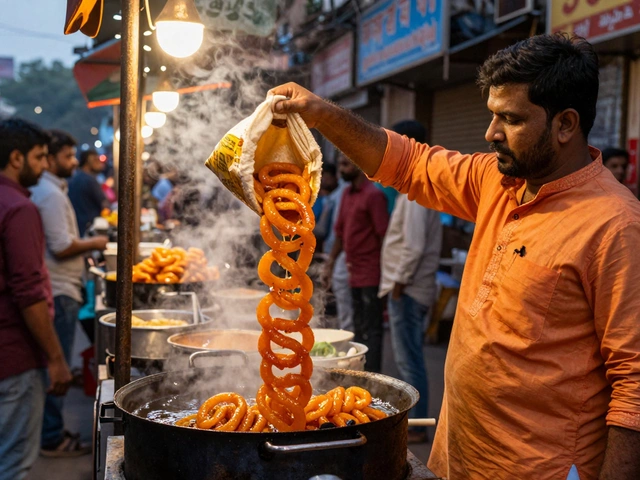
When we say junk food, food that offers little to no nutritional value but is high in calories, sugar, salt, or unhealthy fats. Also known as empty-calorie food, it’s any snack or meal designed for quick satisfaction, not long-term fuel. In India, this isn’t just burgers and fries—it’s the crispy samosa fresh off the fryer, the sugar-dusted jalebi, the masala chips sold at every street corner, and the ready-to-eat namkeen packs stacked in neighborhood stores. These aren’t occasional treats anymore. For millions, they’re daily meals. And that’s where the problem starts.
What makes something junk food isn’t just how it tastes—it’s what’s missing. No fiber. No protein. No vitamins. Just a rush of carbs, oil, and salt that spikes your blood sugar and leaves you hungry again in an hour. Take a typical Indian street snack: a plate of bhel puri. It looks light, even healthy, but it’s often made with puffed rice that’s been sitting for days, fried sev soaked in oil, and sweet-sour chutneys loaded with sugar and preservatives. Same with packaged namkeen—most have hydrogenated oils, artificial flavors, and more sodium than your body needs in a full day. These aren’t traditional foods. They’re industrial copies of tradition, made to be cheap, shelf-stable, and addictive.
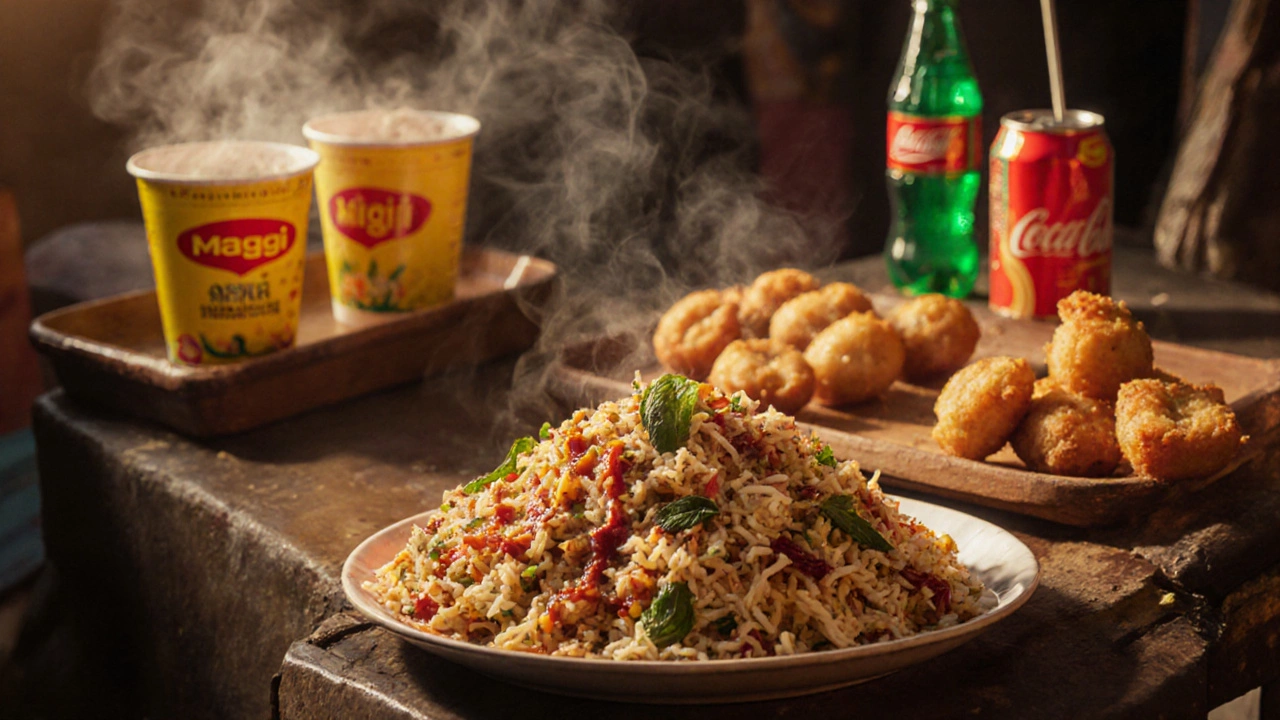
And here’s the twist: many of these snacks are sold as "Indian" or "homestyle," but they’re far from what your grandmother cooked. Real Indian snacks—like roasted chana, steamed idli, or a simple fruit slice with a sprinkle of chaat masala—are quick, natural, and nourishing. The shift from real food to junk food didn’t happen because people stopped caring. It happened because convenience won. Parents juggling jobs grab chips because they’re faster than making dhokla. Kids beg for Maggi because it’s colorful and loud on TV. And the market? It’s happy to feed that demand.
So what’s the answer? You don’t need to quit Indian snacks. You need to know what to look for. Is it fried in reused oil? Does it come in a plastic packet with a list of unpronounceable ingredients? Is the main ingredient something that grows in the ground—or something made in a lab? If the answer is yes, it’s junk. But if it’s made with whole lentils, fresh veggies, or real spices? That’s food. And that’s what you’ll find in the posts below: real Indian snacks that taste like tradition, not chemicals. You’ll learn how to spot the hidden sugar in your favorite chutney, why store-bought papadum might be worse than you think, and what simple swaps can turn your afternoon snack from a crash into a boost.
Explore what qualifies as junk food in India, its popular forms, health impacts, and practical swaps to enjoy flavor while staying healthier.