Tastiest Indian Foods: Exploring the Best Flavors Across India
Dig into India’s tastiest foods: Discover bold flavors, regional specialties, time-tested recipes, and why locals can’t get enough of these addictive bites.
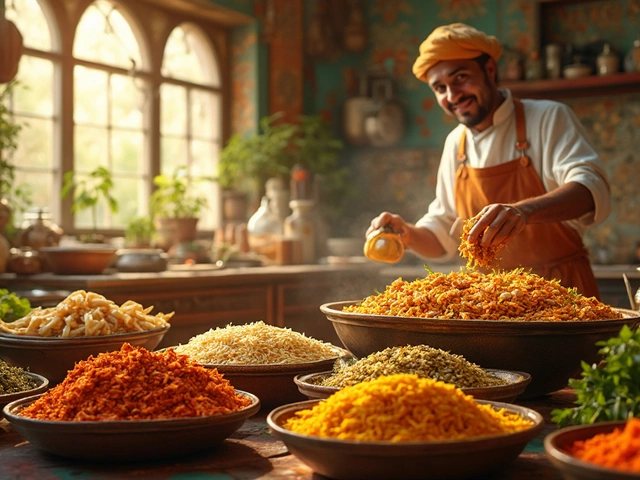
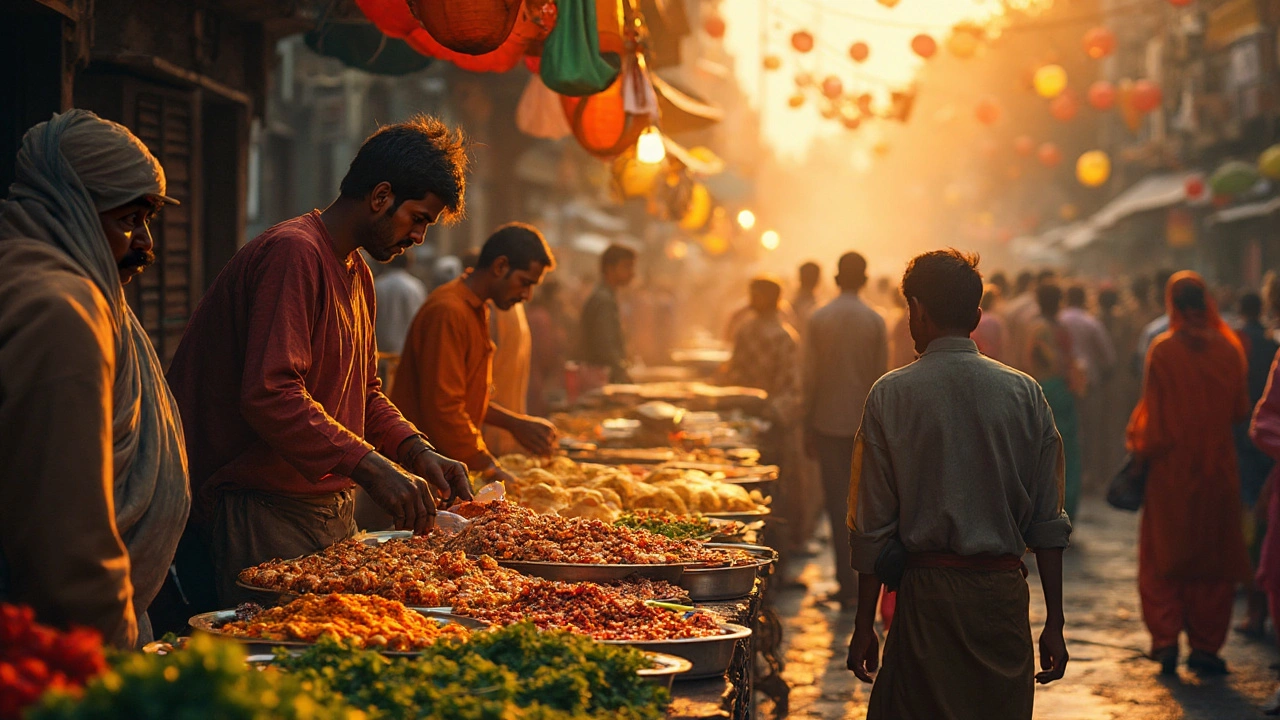
When you think of Indian flavors, the complex, layered taste profiles shaped by centuries of regional cooking, spice trade, and home kitchens. Also known as Indian cuisine, it’s not one thing—it’s hundreds of distinct styles, from the coconut-rich curries of Kerala to the smoky tandoor dishes of Punjab. Most people assume Indian food means thick, creamy curry. But that’s like saying all Italian food is pasta. The truth? Indian flavors, are built on dry spice blends, fermented batters, charcoal grilling, and slow-cooked lentils—not just sauce. You’ll find them in the crisp edge of a dosa fried in groundnut oil, the tang of tamarind in a chutney, the char on tandoori chicken, or the sweet depth of jaggery in a mysore pak.
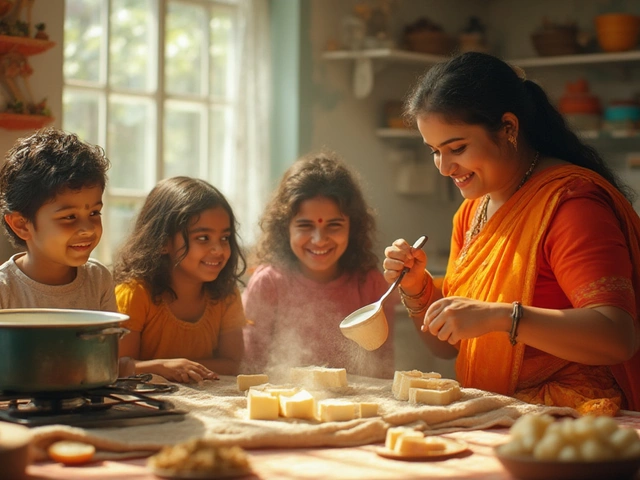
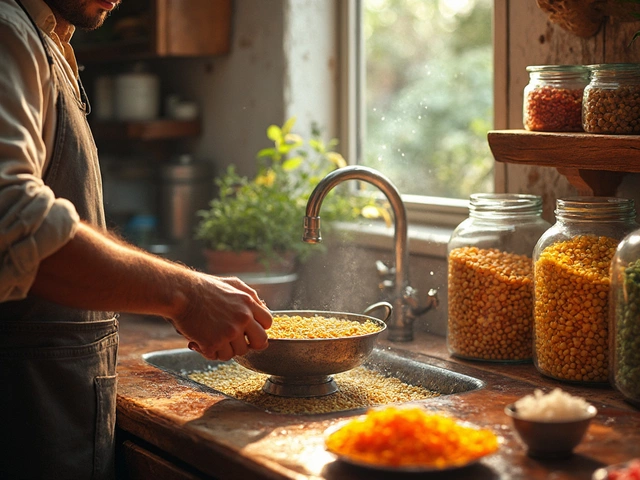
Vegetarian Indian dishes, make up the heart of daily meals for over 400 million people in India. These aren’t just side dishes—they’re full-flavored, protein-rich staples like dal tadka, chana masala, and paneer butter masala. You don’t need meat to get depth. The magic happens in how lentils are soaked, how spices are toasted in oil, and how yogurt marinades tenderize without a single drop of cream. Even something as simple as lemon rice carries layers: toasted mustard seeds, curry leaves, and a squeeze of fresh lime. Traditional Indian food, isn’t about fancy ingredients—it’s about timing, technique, and knowing when to stop cooking. A roti puffs because of heat and moisture, not magic. A biryani tastes better after resting because the steam redistributes the spices. These aren’t myths—they’re physics and tradition working together.
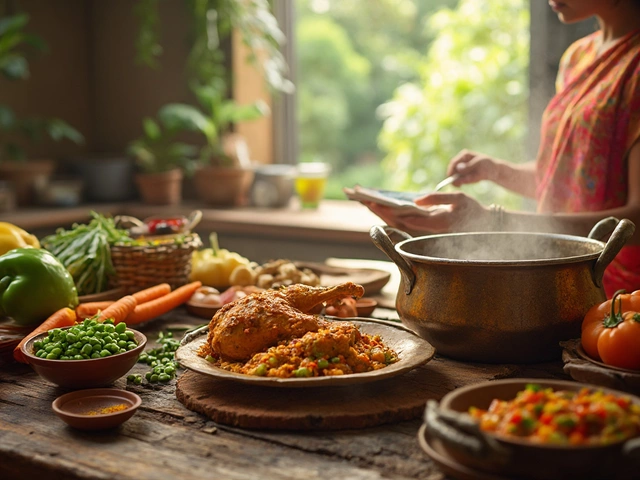
Below, you’ll find real answers to real questions people ask in their kitchens: Why does my chicken turn black? Do I need to marinate paneer? What oil actually makes dosas crispy? We cut through the noise. No fluff. No vague advice. Just straight facts based on how Indian families actually cook—whether they’re making dal in a rural village or biryani in a Mumbai apartment. You’ll learn what to skip (like rinsing yogurt marinades), what to double down on (like soaking dal), and why some things—like round roti—aren’t optional. This isn’t about following recipes. It’s about understanding the why behind every spice, every step, every bite. By the end, you won’t just cook Indian food. You’ll taste its soul.
Dig into India’s tastiest foods: Discover bold flavors, regional specialties, time-tested recipes, and why locals can’t get enough of these addictive bites.