How to Make Roti: Simple Steps, Common Mistakes, and Best Practices
When you think of Indian bread, roti, a simple, unleavened flatbread made from whole wheat flour and water. Also known as chapati, it's the everyday staple across India—eaten with dal, curry, or just a smear of ghee. Unlike naan, which is leavened and baked in a tandoor, roti is cooked on a flat pan and needs no yeast, no sugar, no milk. Just flour, water, a pinch of salt, and your hands. That’s it.
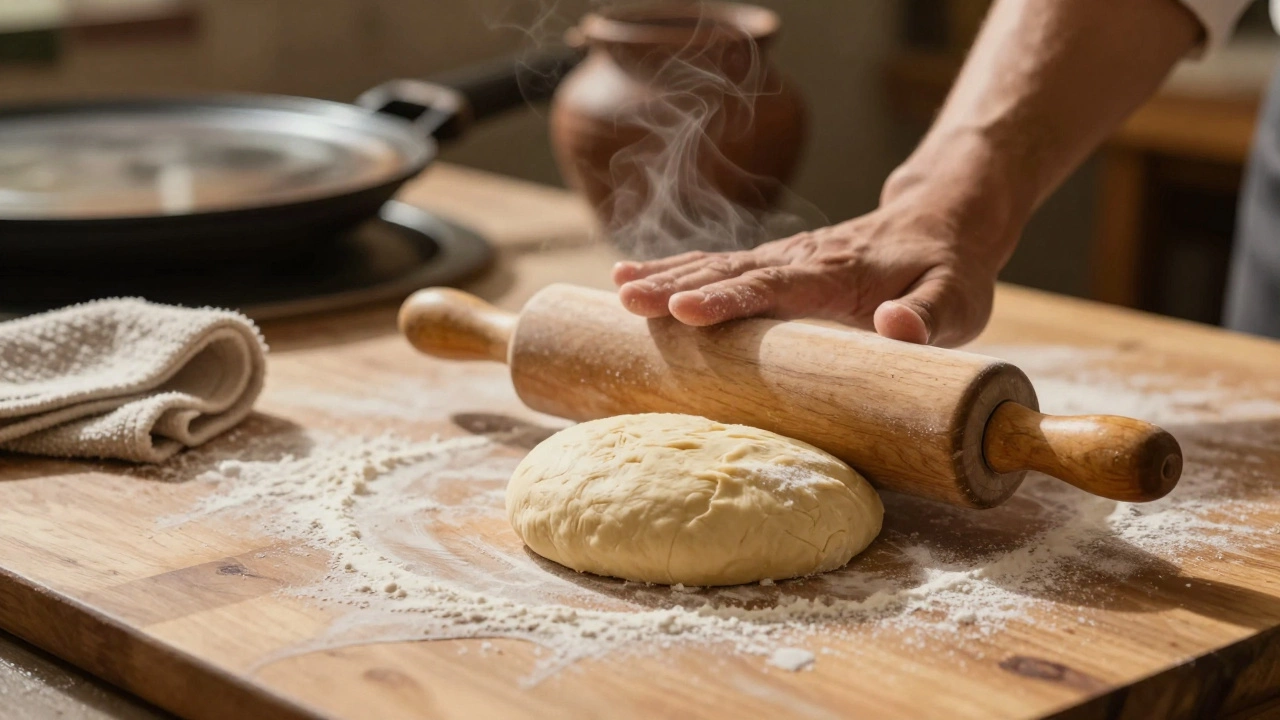
But making roti that puffs up like a balloon? That’s where most people struggle. It’s not about fancy equipment. It’s about dough texture, rolling technique, and heat control. If your roti comes out hard or doesn’t puff, you’re probably using too much flour while rolling, or the tawa isn’t hot enough. Or maybe your dough is too dry. The secret? Knead it like you’re playing with clay—soft, smooth, and slightly sticky. Let it rest for 20 minutes. That’s all it takes to turn flour and water into something that melts in your mouth.
Whole wheat flour, specifically atta, the fine-ground flour used in Indian kitchens makes all the difference. Regular all-purpose flour won’t give you the same elasticity or flavor. And tawa, the flat griddle used to cook roti. Also known as skillet, it doesn’t need to be expensive—just clean, flat, and well-seasoned. You don’t need a gas flame or a special burner. A regular electric stove works fine. Just preheat it until a drop of water sizzles and evaporates instantly.
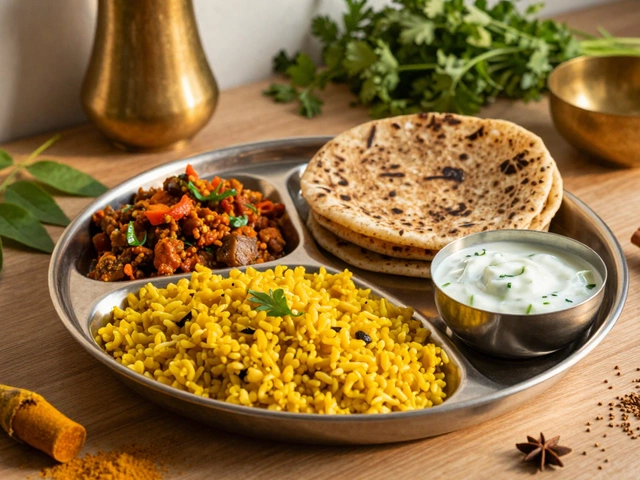
People often confuse roti with naan. Naan is soft, fluffy, and often brushed with butter. Roti is humble, chewy, and meant to soak up flavors. You’ll find roti in every Indian home, from rural villages to city apartments. It’s the bread that goes with dal tadka, with aloo gobi, with spicy chutney. It’s the bread you tear by hand and use to scoop up food. No fork needed.
If you’ve ever bought roti from a store and thought, "This doesn’t taste like home," you’re right. Store-bought roti is often dry, stale, and full of preservatives. Making your own takes 15 minutes. You’ll save money. You’ll eat better. And you’ll understand why Indian meals taste the way they do—because the bread is fresh, warm, and made with care.
Below, you’ll find real tips from people who’ve made thousands of rotis. How to fix dough that’s too sticky. How to roll it evenly without it tearing. Why some rotis puff and others don’t. What oil or ghee to use (if any). And why skipping the resting step ruins everything. No fluff. No theory. Just what works.