Healthy Indian Food: Real Dishes That Fuel Your Body Without Compromise
When people think of healthy Indian food, a style of eating rooted in whole grains, lentils, vegetables, and spices that support digestion and energy without heavy oils or refined sugars. Also known as traditional Indian home cooking, it’s not about restriction—it’s about balance. This isn’t a diet trend. It’s how millions in India eat every day, and it works because it’s built on ingredients that naturally nourish.
At the heart of this eating style is dal tadka, a simple lentil stew cooked with turmeric, cumin, and garlic, then finished with hot oil and mustard seeds. It’s the most common meal in Indian homes, rich in plant-based protein, fiber, and iron, and requires no fancy tools or expensive ingredients. Then there’s paneer, a fresh, soft cheese made from milk and lemon juice, high in calcium and protein, and often grilled, stir-fried, or added to curries without heavy cream. Unlike processed cheeses, paneer stays light when made at home, and when paired with spinach or tomatoes, it becomes a complete meal. These aren’t outliers—they’re the foundation.
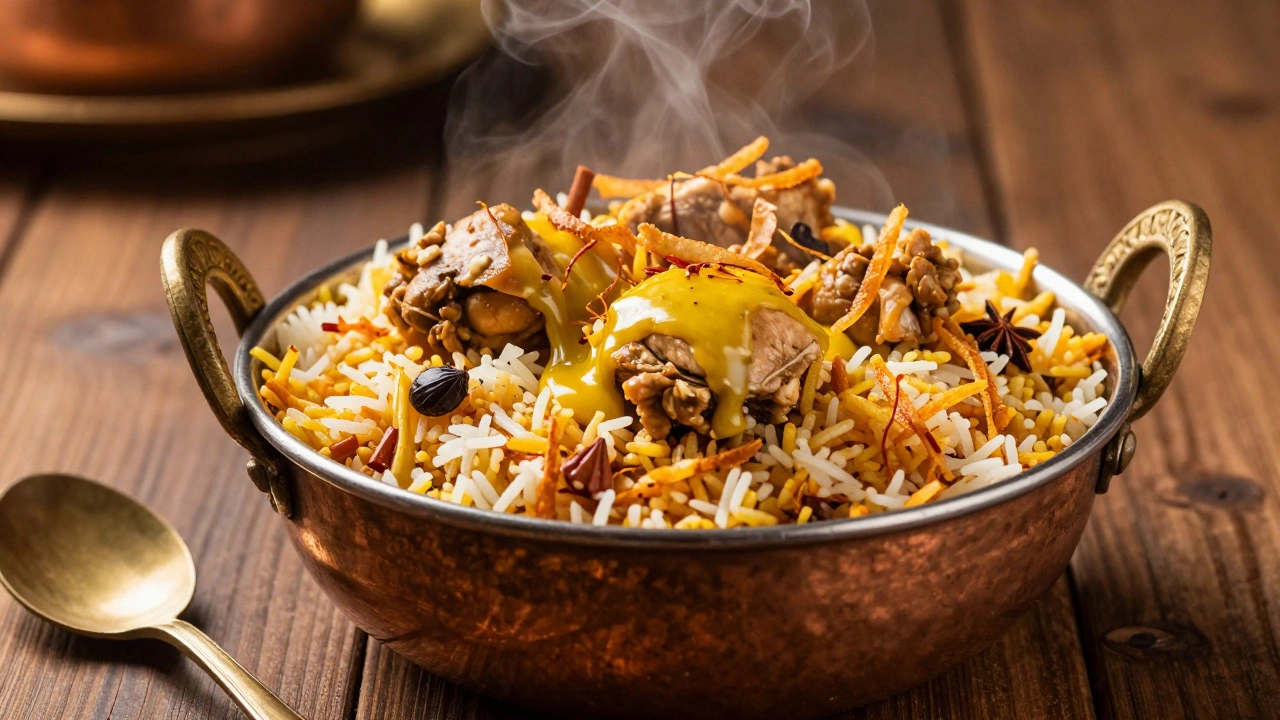
Healthy Indian food doesn’t mean avoiding flavor—it means using spices the right way. Turmeric fights inflammation. Cumin aids digestion. Coriander cools the body. These aren’t just seasonings—they’re functional ingredients. You won’t find many deep-fried snacks in this category, but you will find crispy dosas made with fermented rice and lentil batter, tandoori vegetables charred on open flame, and lemon rice tossed with mustard seeds and curry leaves. Even biryani can be healthy when made with brown rice, less oil, and plenty of vegetables instead of fried onions and ghee.
What makes Indian food naturally healthy isn’t just what’s in it—it’s how it’s made. Soaking dal before cooking reduces cooking time and improves nutrient absorption. Fermenting dosa batter boosts probiotics. Using groundnut oil for frying keeps the fat profile clean. These aren’t trendy hacks—they’re century-old practices that modern science is now confirming. And yes, you can eat well at Indian restaurants too. Skip the naan, choose tandoori over butter chicken, and ask for brown rice instead of white.
There’s no magic here. No supplements. No detoxes. Just real food, cooked simply, eaten regularly. The dishes below show you exactly how to do it—whether you’re making dal at home, picking the best veggie dish off a menu, or learning why your yogurt marinade shouldn’t be rinsed off before cooking. This isn’t about eating clean. It’s about eating right—and Indian food has been doing it for generations.