Fermentation Tips for Indian Kitchen: Master Dosa Batter, Yogurt, and More
When you're making fermented Indian food, a natural process that transforms ingredients through beneficial bacteria, enhancing flavor, digestibility, and shelf life. Also known as natural culturing, it's the quiet magic behind dosa, idli, yogurt marinades, and even some pickles. This isn't just old-school cooking—it’s science you can do in your kitchen with rice, lentils, and a warm corner of your counter.
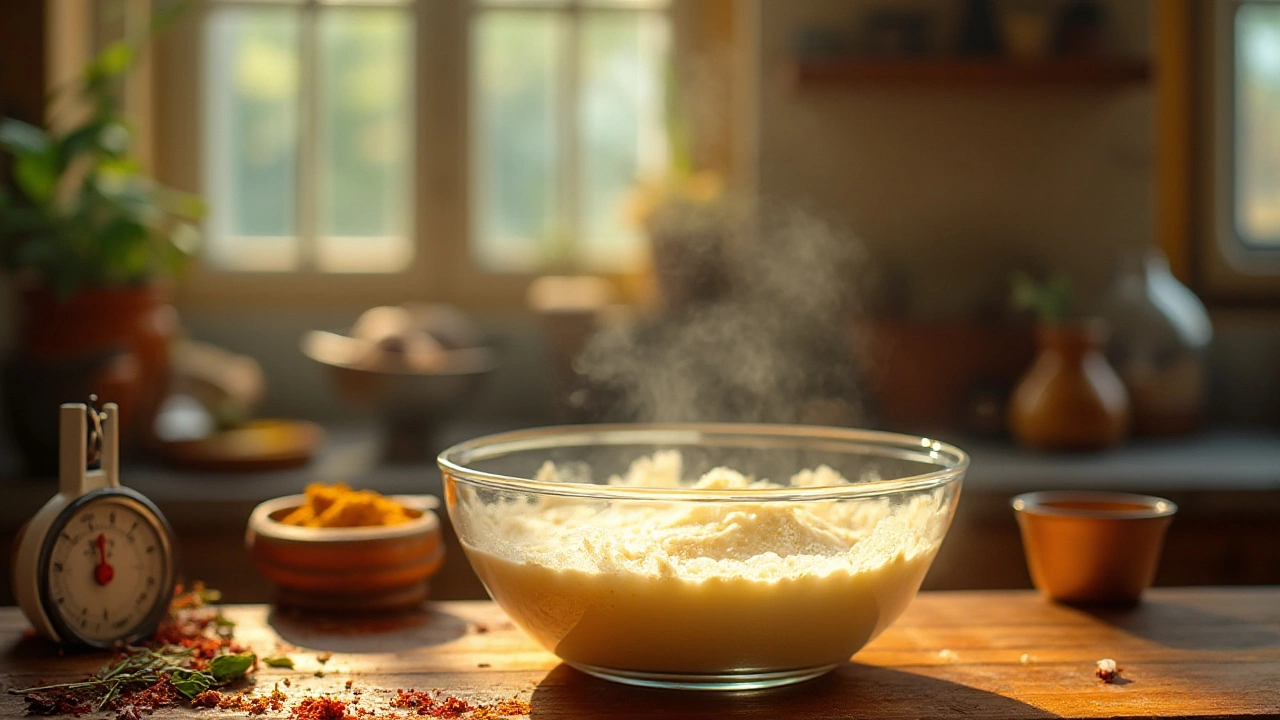
Dosa batter fermentation, the process of letting rice and urad dal batter sit overnight to rise and sour naturally. Also known as lactic acid fermentation, it’s what turns thick paste into light, crispy pancakes. Too cold? It won’t rise. Too hot? It gets sour too fast. Most people fail because they don’t control temperature—aim for 28–32°C. A turned-off oven with the light on works better than your window in winter. And yes, the starter matters. Leftover batter from last time? That’s your secret weapon.
Yogurt marinade, a mix of cultured dairy and spices used to tenderize meats and vegetables before tandoor or oven cooking. Also known as curd-based marinade, it’s the reason your tandoori chicken stays juicy and the spices stick. Don’t rinse it off. That yogurt isn’t dirt—it’s the flavor carrier and tenderizer. If you rinse, you’re washing away the magic. And don’t use store-bought yogurt with additives. Thick, plain, homemade curd works best. Let it sit for at least 4 hours, but 12 is better. The longer it sits, the deeper the flavor and the softer the meat.
People think fermentation is complicated, but it’s not. It’s patience. It’s trusting the process. You don’t need special equipment—just a clean jar, the right ingredients, and time. In India, this has been done for centuries without thermometers or incubators. Your kitchen doesn’t need to be fancy. Just warm enough. Just clean enough. Just patient enough.
Look at the posts below. You’ll find exact hours for dosa batter, why rinsing yogurt marinade ruins tandoori chicken, how soaking dal changes digestion, and why jaggery ferments differently than white sugar. These aren’t random tips—they’re all connected by one thing: how Indian cooking uses nature’s own processes to make food better. No chemicals. No shortcuts. Just time, temperature, and tradition.