How Long Should Dosa Batter Ferment? Exact Hours Explained
Learn the exact hours needed for dosa batter fermentation, how temperature and starter affect timing, and get troubleshooting tips for perfect dosas.
When you make dosa batter, a fermented mixture of rice and urad dal used to make crispy South Indian pancakes. Also known as dosa batter mixture, it’s the foundation of one of India’s most loved breakfasts. The magic doesn’t happen when you grind it—it happens while it sits. Dosa batter hours aren’t just a suggestion; they’re the difference between a floppy, doughy mess and a golden, crisp, airy dosa that cracks just right under your fork.
Most recipes say 8 to 12 hours, but that’s just a starting point. Temperature changes everything. In Delhi in winter? You might need 16 hours. In Chennai in summer? It could be ready in 6. The batter should double in volume, smell slightly sour like yogurt, and have lots of tiny bubbles all through it—not just on top. If it’s flat and smells like plain rice water, it’s not ready. No amount of oil or heat will fix under-fermented batter. That’s why people who get perfect dosas every time don’t just follow the clock—they watch the batter.
Urad dal is the real hero here. It’s the protein-rich part that traps air as it ferments. Rice gives structure, but urad dal gives the lift. That’s why recipes always call for more rice than dal—but never less than 1 part dal to 3 parts rice. If you skip soaking the dal long enough before grinding, or use old dal that’s lost its life, your batter won’t rise. And if you put it in the fridge to slow things down? You’re not saving time—you’re just delaying the problem. Fermentation needs warmth, not cold.
Some people swear by adding fenugreek seeds to speed things up. It’s true—they help. But it’s not magic. The real trick is consistency: same rice, same dal, same water, same bowl. Change one thing and your hours shift. That’s why grandmothers in Tamil Nadu don’t measure time—they feel the batter. They pinch a bit between fingers. If it stretches slightly and snaps back, it’s ready. If it’s too sticky or too runny, wait. No shortcuts.
And don’t forget the salt. Add it after fermentation, not before. Salt slows down the microbes. Add it too early and your batter might never wake up. That’s why most traditional recipes say: grind, wait, then salt. Simple. But it matters.
What you’ll find in the posts below are real, tested answers from people who’ve made hundreds of dosas—some burned, some soggy, some perfect. You’ll learn why your batter didn’t rise, how to fix it fast if you’re in a hurry, which oil makes the crispiest edge, and what to do if you accidentally left it out too long. No fluff. Just the hours, the signs, the fixes, and the why behind every step. This isn’t theory. It’s what works on a kitchen counter in Mumbai, Bangalore, or your own home.
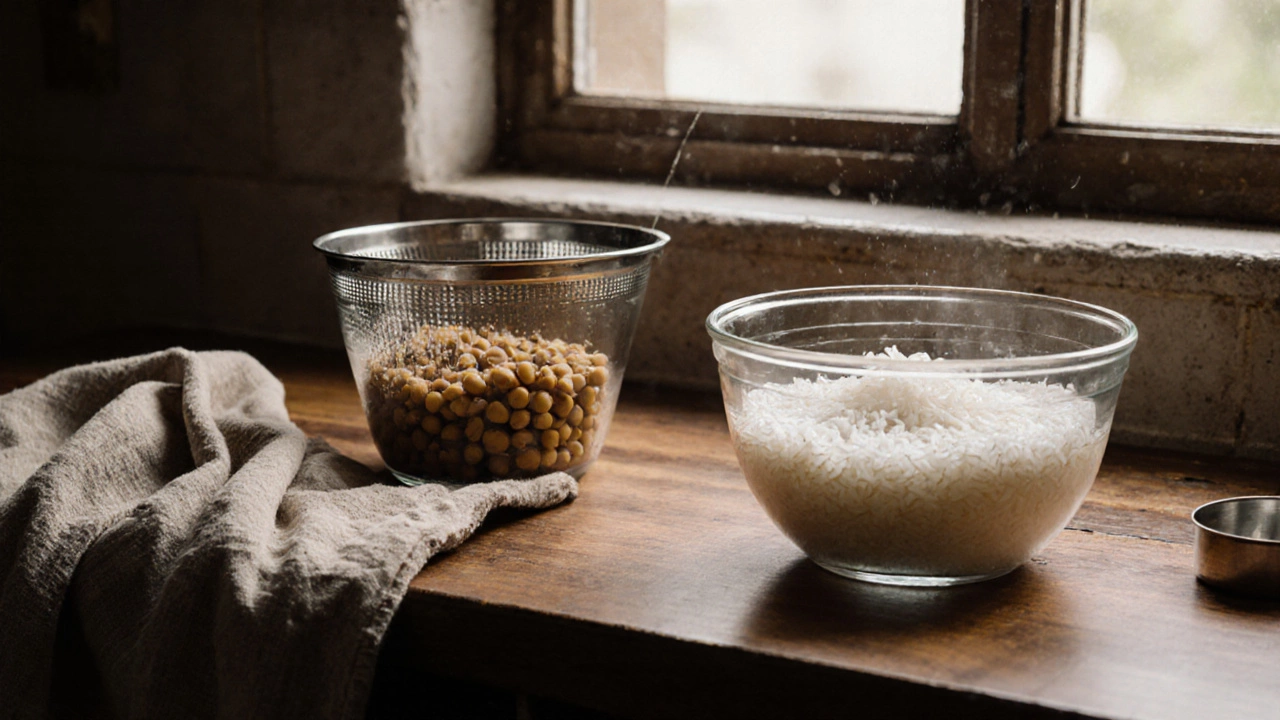
Learn the exact hours needed for dosa batter fermentation, how temperature and starter affect timing, and get troubleshooting tips for perfect dosas.