What Makes a Delicious Curry? Essential Elements & Proven Tips
Learn the core ingredients, spice blending, cooking techniques and common pitfalls that turn a basic stew into a delicious curry.
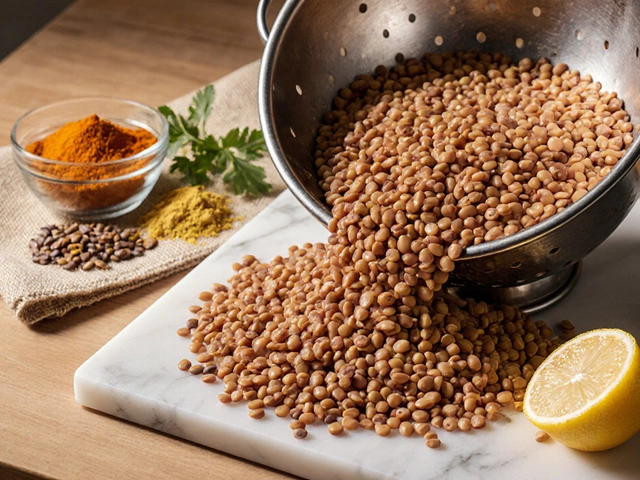
When people say "curry," they’re usually thinking of a thick, spiced sauce—but curry spices, the blend of ground seeds, roots, and pods that give Indian dishes their signature depth and warmth. Also known as masala, it’s not a single spice or pre-made powder you buy in a jar—it’s a living, changing mix shaped by region, family, and season. In South India, you’ll find curry spices heavy on mustard seeds and dried red chilies. In the North, it’s cumin, coriander, and garam masala that dominate. In Gujarat, you might taste a hint of jaggery. In Kerala, coconut and curry leaves turn the blend into something entirely different. There’s no universal recipe. Every kitchen has its own version.
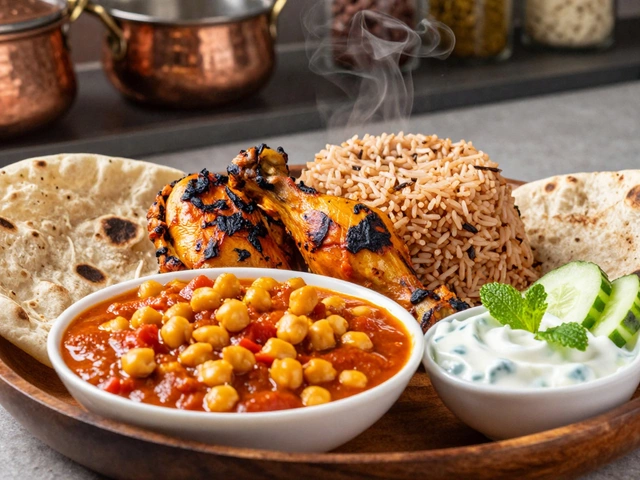
What makes these spices work isn’t just what’s in them—it’s how they’re treated. Toasting whole spices before grinding unlocks oils you can’t get from pre-ground powders. Frying them in hot oil, called tempering or tadka, releases their full aroma. That’s why store-bought curry powder often tastes flat—it skips the heat, the timing, the smell. Real curry spices need fire. They need time. They need to be alive in the pan. And that’s why dishes like butter chicken, chana masala, or tarka dal taste so different from one another—even when they seem similar on the surface. It’s not the base. It’s the spice mix.
You don’t need 20 spices to make a great curry. Often, it’s just five: cumin, coriander, turmeric, chili, and black pepper. But getting the balance right? That’s where the magic happens. Too much turmeric and it’s bitter. Too little chili and it’s bland. Too much cumin and it overpowers everything else. The best cooks don’t measure—they taste, adjust, and repeat. That’s why your grandmother’s curry tastes different from yours. It’s not magic. It’s practice.
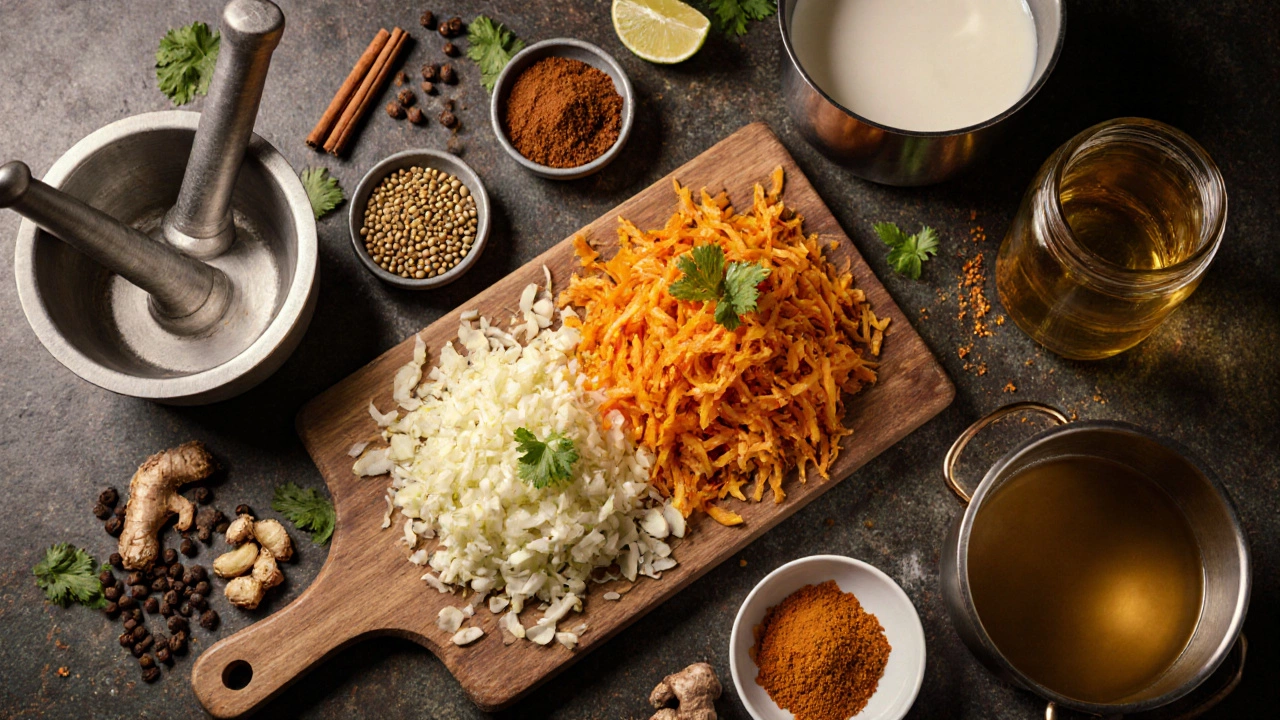
And here’s the truth: most Indian curries don’t even use "curry powder." That’s a British invention. In Indian homes, spices are bought whole, roasted, ground fresh, and stored in glass jars. You’ll find turmeric for color, cumin for earthiness, coriander for citrusy lift, fenugreek for slight bitterness, and cardamom for sweetness. These aren’t just seasonings—they’re the soul of the dish. When you cook with them right, they don’t just flavor food—they transform it.
Below, you’ll find real recipes, real questions, and real answers about how these spices behave in the pan. Why does your chicken turn black? Why does your dal taste better after resting? Why does your masala clump? These aren’t mistakes—they’re clues. And every post here is built around the same idea: curry spices aren’t a mystery. They’re a conversation. You just need to know how to listen.
Learn the core ingredients, spice blending, cooking techniques and common pitfalls that turn a basic stew into a delicious curry.
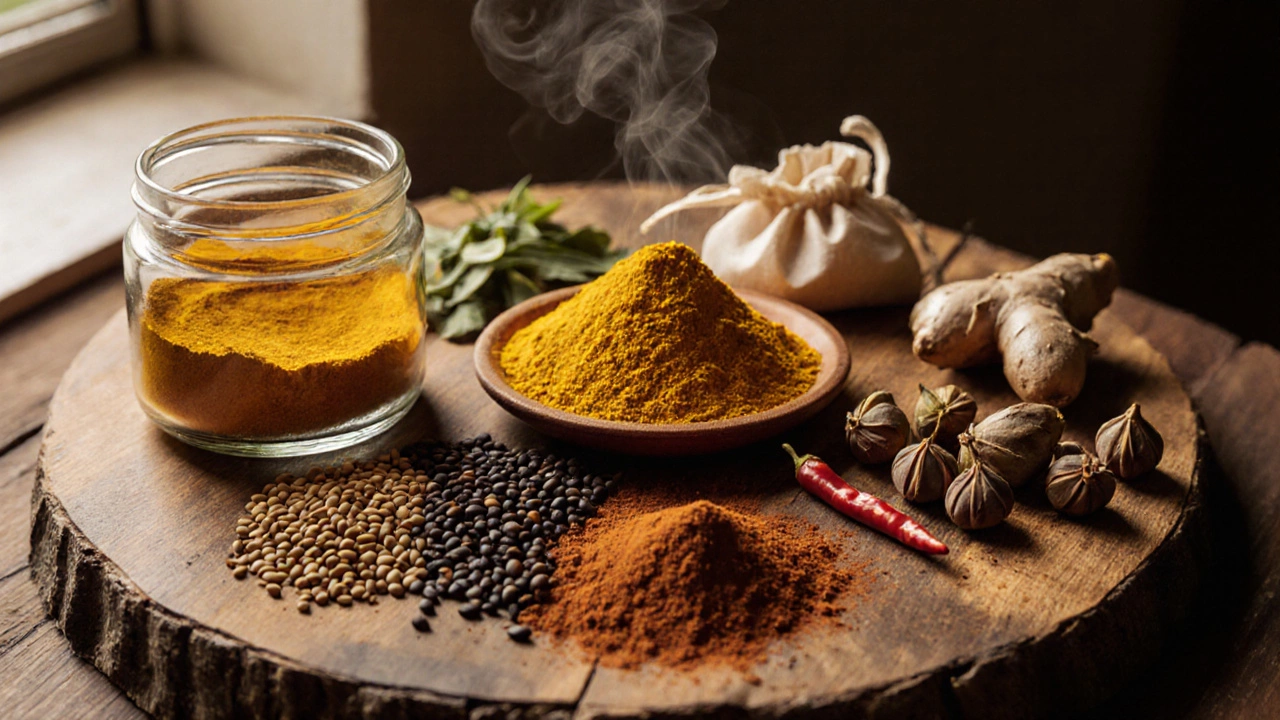
Learn the essential spices that define a curry, how each one contributes flavor, storage tips, a quick DIY curry powder recipe, and common substitution tricks.