Chutney: The Essential Indian Condiment with Every Flavor
When you think of Indian food, you might picture rich curries or spicy tandoori meats—but the real flavor hero is often right beside it: chutney, a fresh, uncooked condiment made from fruits, herbs, or vegetables blended with spices, vinegar, or yogurt. Also known as chatni, it’s not just a side—it’s the punch of acidity, sweetness, or heat that balances every bite. Unlike Western sauces that simmer for hours, chutney is made fast, served fresh, and meant to wake up the palate. It’s what turns a plain dosa into a meal and a simple rice bowl into something unforgettable.
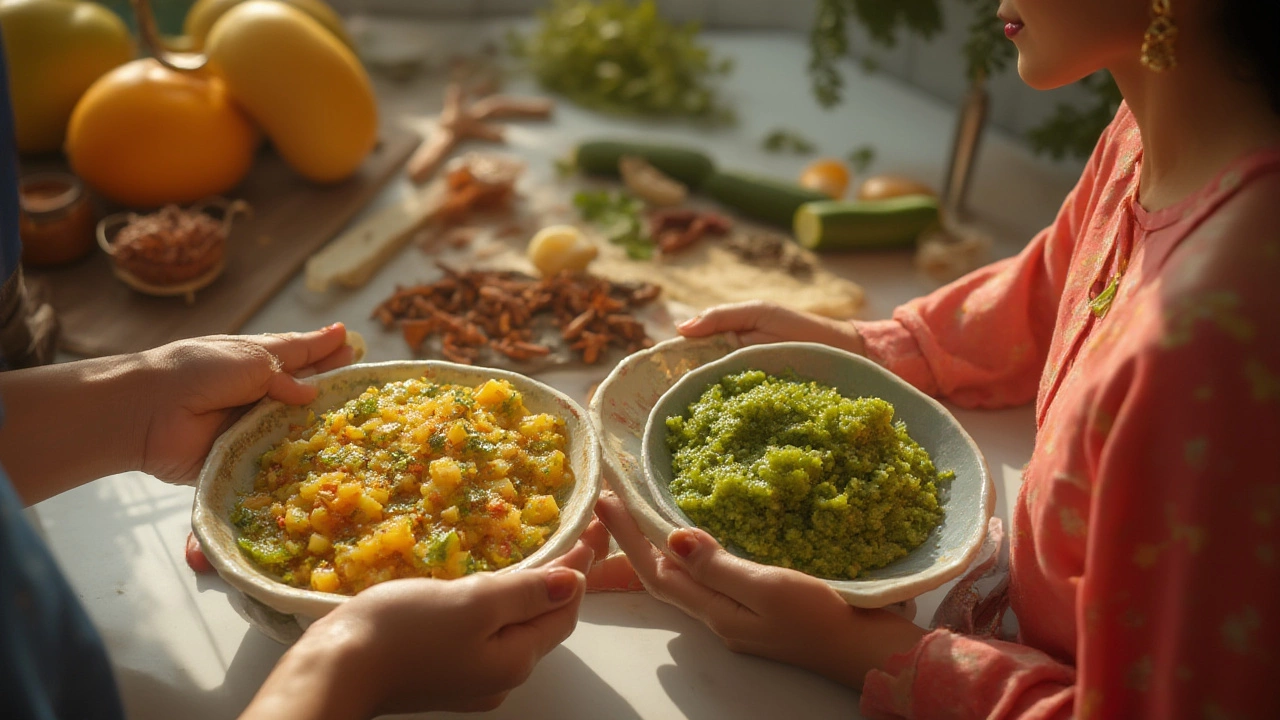
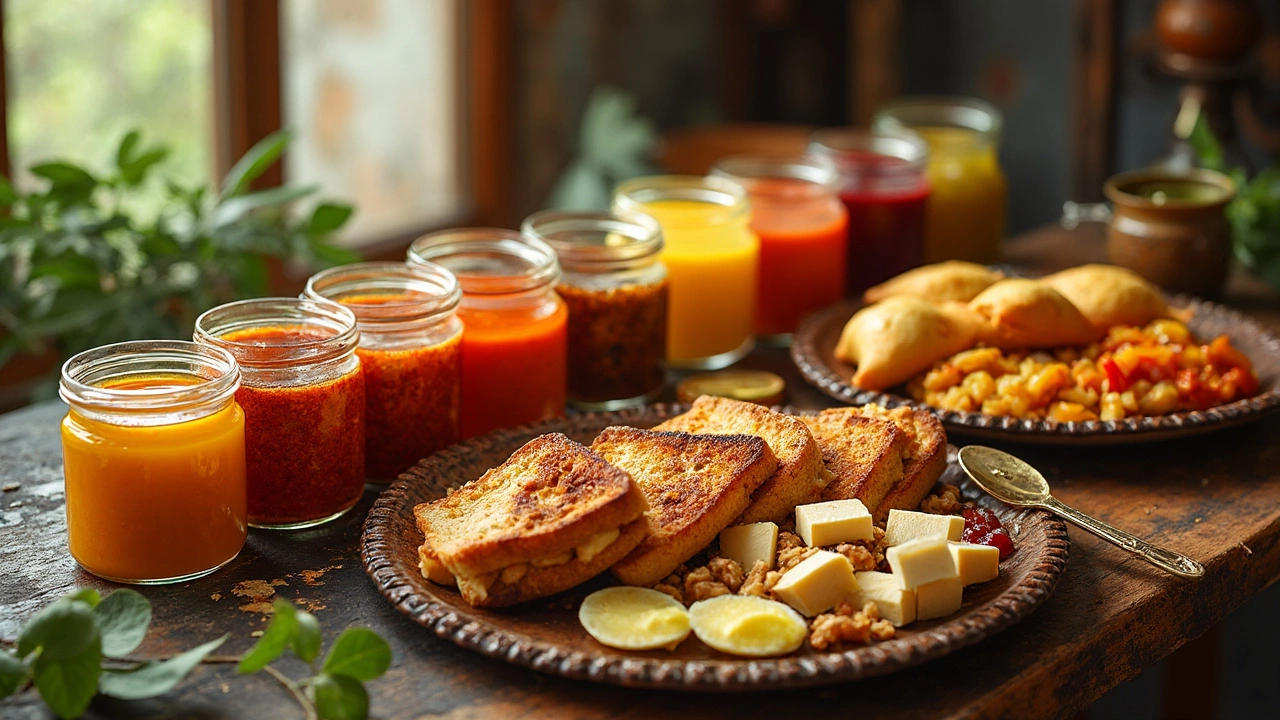
There are dozens of types, each tied to a region, season, or dish. coconut chutney, a creamy, mildly spicy blend of grated coconut, green chilies, and lentils, is the breakfast staple in South India. tamarind chutney, sweet, sour, and thickened with jaggery, clings to chaat like pani puri and samosas. Then there’s mint-cilantro chutney, the green powerhouse that goes with kebabs, and garlic chutney, a fiery punch that’s a must with idli. These aren’t just recipes—they’re flavor tools, used like salt or pepper, but with way more personality.
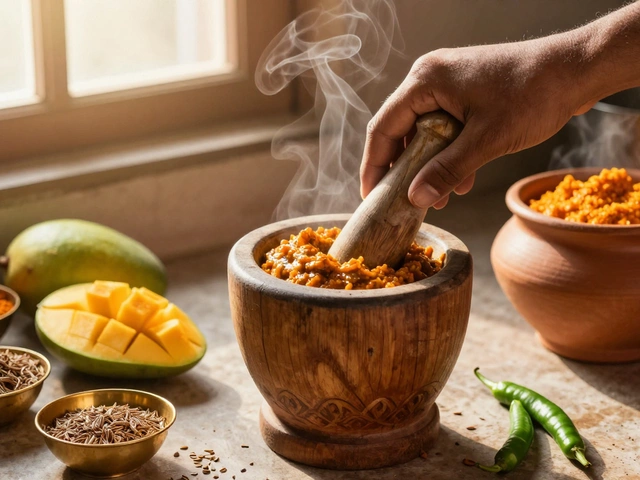
What makes chutney so powerful is how it works. It cuts through grease, lifts heavy spices, and cools down heat. A dollop of mint chutney on a spicy samosa? That’s not an accident—it’s science. And you don’t need fancy equipment. A mortar and pestle, a blender, or even a fork and bowl will do. The key is freshness: use ripe fruit, crisp herbs, and toast your spices just until they smell good. Store it in the fridge for a few days, but never let it sit too long—chutney tastes best when it’s alive.
What you’ll find below isn’t just a list of recipes. It’s a guide to understanding why chutney isn’t optional in Indian kitchens. You’ll learn how to make the most common types from scratch, spot the differences between regional styles, and fix common mistakes—like watery coconut chutney or bland tamarind paste. Whether you’re pairing it with snacks, using it as a dip, or even adding it to sandwiches, these posts show you how to get it right every time. No guesswork. No fluff. Just real, usable knowledge from real Indian kitchens.