Poha Health Calculator
Customize Your Bowl
Nutritional Verdict
You grab a bowl of poha from the street vendor or your kitchen counter. It’s light, fluffy, and hits that savory spot perfectly. But then the guilt creeps in. Is this just empty carbs disguised as a healthy snack? You’re not alone in wondering if this staple is actually helping your health goals or just spiking your blood sugar.
The short answer? Yes, poha (flattened rice) can be incredibly healthy, but it depends entirely on how you prepare it. In its raw form, it’s a lightweight, gluten-free grain alternative. However, the typical preparation-loaded with oil, peanuts, and sugary chutneys-can turn a diet-friendly meal into a calorie bomb. Let’s break down exactly what’s happening inside that bowl so you can eat it without the anxiety.
What Exactly Is Poha?
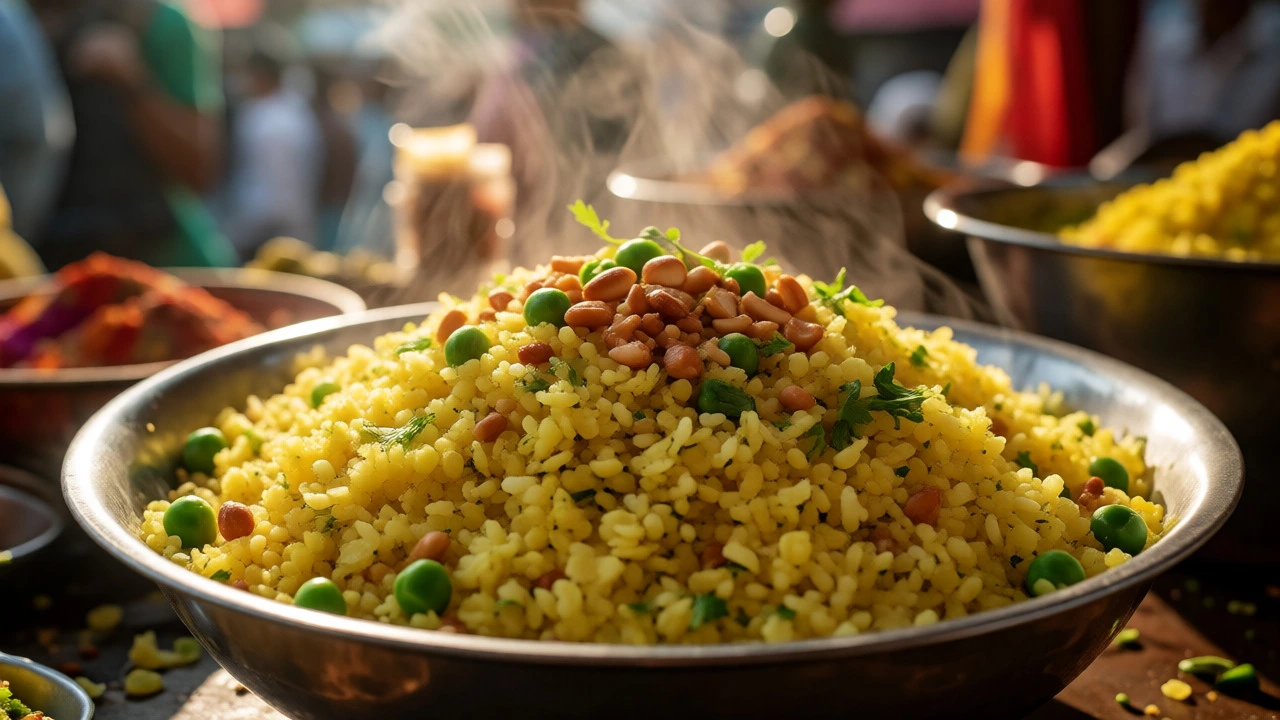
Poha, also known as beaten rice or flattened rice, is made by parboiling, drying, and flattening rice grains. This process changes the structure of the starch, making it quick to cook and easy to digest. Unlike whole rice, which takes time to boil, poha absorbs water almost instantly. This makes it a go-to for busy mornings across India, particularly in Maharashtra, Madhya Pradesh, and parts of South India.
Because it is pre-cooked during processing, poha doesn’t require heavy cooking at home. You usually just soak it for ten minutes and toss it in a pan. This convenience often leads people to assume it’s less nutritious than freshly cooked grains, but that’s a myth. The nutritional profile remains largely similar to white rice, with some key differences in glycemic index and fiber content depending on the variety.
Nutritional Profile: What’s Inside the Bowl?
To understand if poha is healthy, we need to look at the numbers. Here is a breakdown of a standard 100-gram serving of dry poha compared to other common breakfast options.
| Nutrient | Poha (Flattened Rice) | Rolled Oats | White Rice (Raw) |
|---|---|---|---|
| Calories | ~350 kcal | ~389 kcal | ~365 kcal |
| Carbohydrates | 76 g | 66 g | 80 g |
| Protein | 6 g | 13 g | 7 g |
| Fiber | 4 g | 10 g | 1.3 g |
| Glycemic Index (GI) | High (~70-80) | Low-Medium (~55) | High (~73) |
Notice the high carbohydrate count? That’s expected since it’s a grain. But look at the protein and fiber. Poha has more fiber than white rice because the husking process leaves behind some bran layers, though it still lacks the dense fiber punch of oats. The real game-changer here isn’t the dry ingredient itself-it’s the additions. A plain bowl of soaked poha is bland. We add turmeric, mustard seeds, curry leaves, onions, peas, and peanuts. These toppings significantly alter the health score.
The Health Benefits of Eating Poha
Despite the carb-heavy reputation, poha offers several genuine health advantages when eaten mindfully.
- Easy Digestion: Because the rice is pre-cooked and flattened, it breaks down quickly in the stomach. If you have a sensitive gut or are recovering from an illness, poha is much gentler than heavy cereals or fried foods.
- Gluten-Free Option: For those with celiac disease or gluten sensitivity, poha is a safe, naturally gluten-free alternative to wheat-based breakfasts like parathas or bread.
- Iron Content: Many varieties of poha are fortified or naturally retain iron from the rice plant. Adding lemon juice (vitamin C) while eating boosts iron absorption, making it a decent choice for combating mild anemia.
- Quick Energy Boost: Athletes or students needing immediate fuel before a test or workout find poha useful. The simple carbs convert to glucose rapidly, providing instant energy without the sluggishness of heavy fats.
The Pitfalls: When Poha Becomes Unhealthy
Here is where most people go wrong. They treat poha as a "diet food" simply because it’s steamed, not fried. But consider the typical Kanda Poha recipe found in many households. You might use two tablespoons of oil per cup of poha. Then you add a handful of fried peanuts and perhaps a sprinkle of sugar to balance the acidity of tamarind or tomato.
A single serving prepared this way can easily hit 400-500 calories, mostly from fat and refined carbs. Furthermore, the high Glycemic Index (GI) means it spikes blood sugar levels quickly. If you are diabetic or insulin resistant, a plain bowl of poha with minimal veggies can leave you hungry and shaky within two hours. The lack of substantial protein contributes to this crash. You’re essentially eating fast-burning fuel without any slow-burning logs to keep the fire steady.
How to Make Poha Actually Healthy
You don’t have to give up poha. You just need to engineer it better. Think of it as a canvas. Right now, you’re painting it with too much oil and not enough color. Here’s how to fix it:
- Cut the Oil: Use non-stick pans and limit oil to one teaspoon per serving. Toast your spices in a tiny bit of ghee for flavor, but avoid deep-frying the onions.
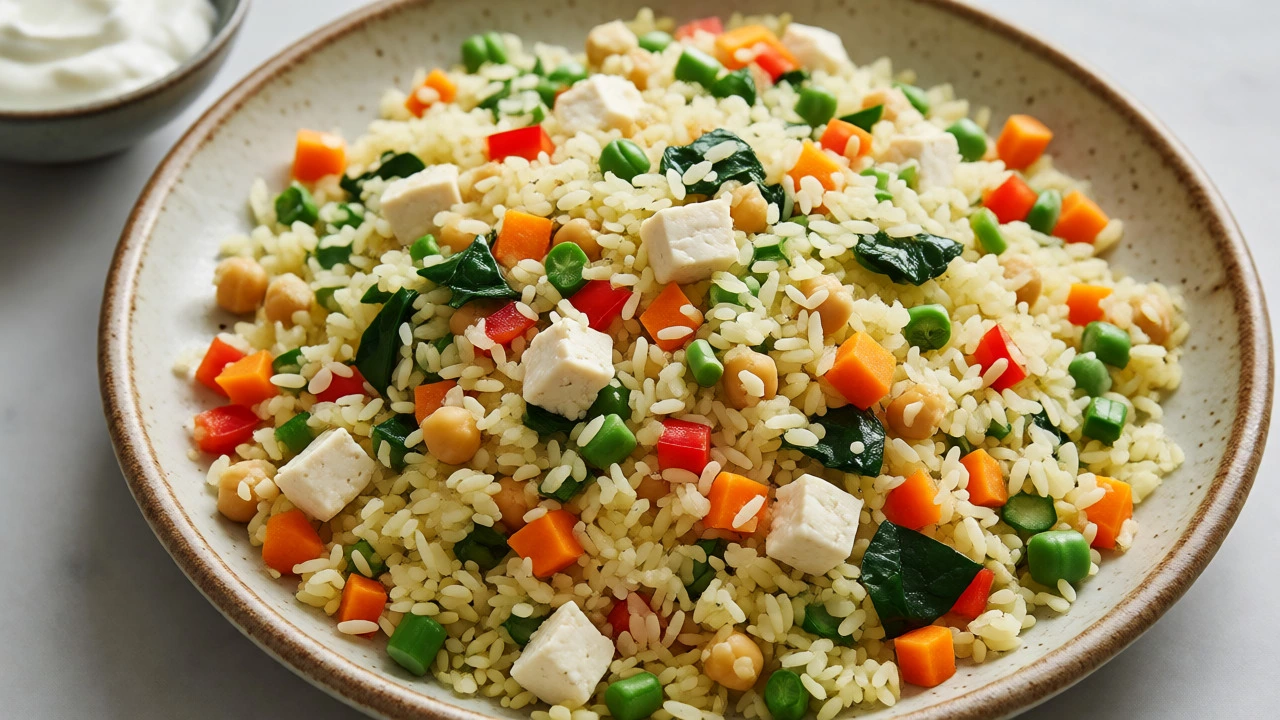
- Load Up on Veggies: Aim for a 1:1 ratio of poha to vegetables. Add carrots, green beans, capsicum, spinach, and peas. This increases volume and fiber without adding significant calories.
- Add Protein: This is crucial. Toss in boiled chickpeas, edamame, or tofu cubes. Or, serve your poha alongside a side of Greek yogurt or a boiled egg. Protein slows down digestion and keeps you full longer.
- Swap Peanuts for Nuts: Instead of fried peanuts, use a small amount of roasted almonds or walnuts. They provide healthy omega-3 fats instead of inflammatory seed oils.
- Skip the Sugar: Most recipes call for sugar to cut the tang. Try using grated fresh coconut or a squeeze of lime instead. You’ll get the flavor complexity without the empty calories.
Poha vs. Other Popular Indian Snacks
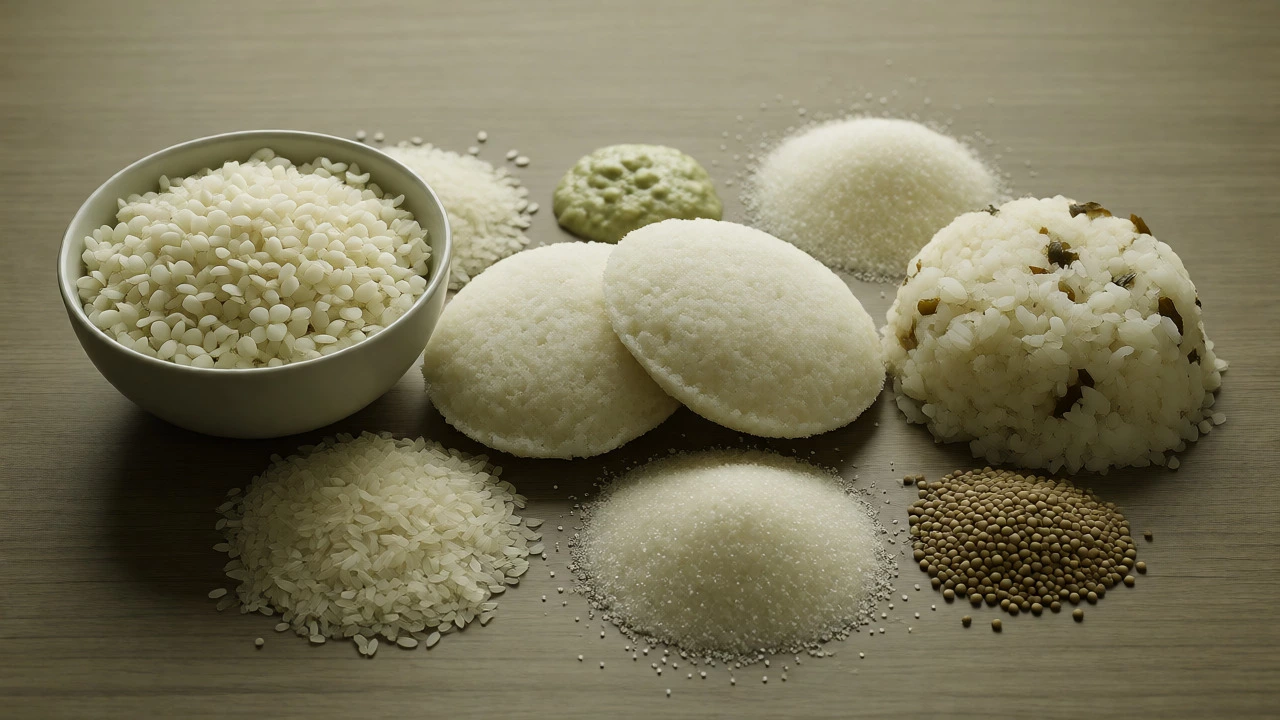
How does poha stack up against other morning favorites? Let’s compare it to Idli and Upma, two other staples.
| Feature | Poha | Idli | Upma |
|---|---|---|---|
| Base Ingredient | Rice | Rice & Lentil Batter | Semolina (Wheat) |
| Digestibility | Very High | High (Fermented) | Moderate |
| Protein Quality | Low | Medium (Complete via fermentation) | Low-Medium |
| Preparation Time | 10 mins | Requires overnight batter + steaming | 15-20 mins |
| Best For | Quick energy, Gluten-free needs | Gut health, Low oil preference | Sustained satiety (if made with lots of veg) |
Idli wins on gut health due to fermentation. Upma wins on satiety if made correctly. But poha wins on speed and versatility. If you modify poha with the tips above, it becomes a competitive, balanced meal.
Who Should Avoid Poha?
While generally safe, certain groups should exercise caution. Diabetics need to monitor portion sizes strictly. One cup of cooked poha contains about 30-40 grams of carbs. Pairing it with a high-protein side is non-negotiable. People trying to lose weight should watch the oil usage closely. It’s easy to pour half a cup of oil thinking it’s "just seasoning," but that adds 400 hidden calories.
Also, check the source. Some commercial poha brands add preservatives or bleach the rice to make it whiter. Look for organic or unbleached varieties if possible. Darker poha often retains more nutrients.
Final Verdict
Is poha healthy? Absolutely, if you respect the ingredients. It’s a blank slate. Treat it like white bread: fine occasionally, but dangerous if left alone. Load it with greens, lean proteins, and healthy fats, and it transforms from a carb-loading mistake into a nutrient-dense powerhouse. Next time you make it, ask yourself: "Where is my protein?" If you can’t answer that, you’re missing the point.
Is poha good for weight loss?
Yes, but only if prepared correctly. Plain poha is low in calories, but traditional recipes often use excessive oil and sugar. To aid weight loss, use minimal oil, load up on vegetables like spinach and beans, and add a protein source like chickpeas or paneer to increase satiety.
Is poha suitable for diabetics?
Poha has a high Glycemic Index, meaning it can spike blood sugar quickly. Diabetics should consume it in moderation and always pair it with protein (like eggs or sprouts) and fiber-rich vegetables to slow down glucose absorption. Avoid adding sugar to the recipe.
Is poha gluten-free?
Yes, pure poha is made from rice, which is naturally gluten-free. This makes it an excellent breakfast option for individuals with celiac disease or gluten intolerance, provided no wheat-based additives are used in the preparation.
Which is healthier, poha or idli?
Idli is generally considered healthier due to its fermented nature, which aids digestion and improves nutrient bioavailability. It also typically requires less oil than poha. However, modified poha with added vegetables and protein can be equally nutritious and offers faster preparation time.
Can I eat poha every day?
You can, but variety is key. Eating the same grain daily can lead to nutrient gaps. Rotate poha with oats, ragi, or millet-based dishes. Ensure you vary your vegetable and protein toppings to maintain a balanced micronutrient intake.