Roti Softness & Baking Soda Advisor
Not sure if your grandmother's secret ingredient is right for your batch? Answer these questions to get a personalized recommendation.
You’ve probably seen it happen. Your grandmother, or maybe that one aunt who swears her kitchen is a temple of perfection, drops a pinch of white powder into the flour before adding water. "It makes them soft," she says, as if this is a universal law of physics. But is it? If you’re staring at your box of baking soda and wondering if it’s the secret to those pillowy, cloud-like rotis you dream about, you’re not alone. It’s one of the most debated questions in Indian home kitchens.
The short answer? Usually, no. But the long answer is where things get interesting. Adding baking soda isn’t just about making bread rise; it’s about chemistry, pH levels, and what kind of dough you’re working with. Let’s break down exactly when you should reach for that sodium bicarbonate and when you should leave it in the pantry.
The Chemistry of Softness: Why We Even Ask This
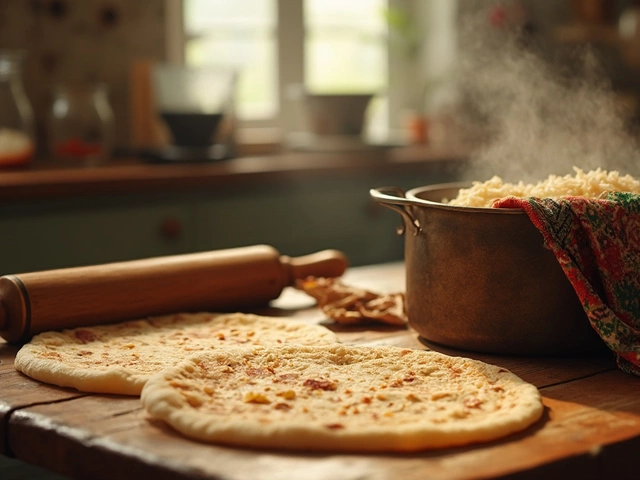
To understand why people add baking soda to roti, we first need to look at what happens when wheat flour meets heat. Traditional roti is an unleavened flatbread made from whole wheat flour (atta), water, and sometimes salt or oil. It doesn’t use yeast or baking powder, so it shouldn’t puff up like naan or pizza crust. Yet, we all want that slight lift and tenderness.
Baking soda, chemically known as sodium bicarbonate, is a base. When it hits an acid and moisture, it releases carbon dioxide gas. These tiny bubbles get trapped in the gluten network, creating air pockets that make the dough lighter. But here’s the catch: plain wheat flour isn’t very acidic. Without an acid source (like yogurt, lemon juice, or buttermilk), baking soda won’t react properly. Instead, it leaves behind a metallic, soapy taste and can turn your roti yellowish-brown due to the Maillard reaction accelerating in an alkaline environment.
When Baking Soda Actually Helps
So, when does it work? There are specific scenarios where a pinch of baking soda transforms a tough, chewy disaster into something edible and even enjoyable.
- Stale or Low-Protein Flour: If your atta has been sitting in the cupboard for six months, it might have lost some elasticity. A tiny amount of baking soda can help tenderize the gluten strands, preventing the roti from becoming rubbery.
- Adding Yogurt or Curd: This is the big one. If your recipe includes yogurt, which is common in many regional variations like thepla or certain stuffed parathas, the acidity activates the baking soda. This creates genuine leavening, resulting in a softer, slightly thicker bread.
- Cold Weather Cooking: In places like Cape Town or Northern India during winter, dough can become stiff and hard to roll. Alkaline agents can relax the gluten structure, making the dough more pliable without needing excessive kneading.
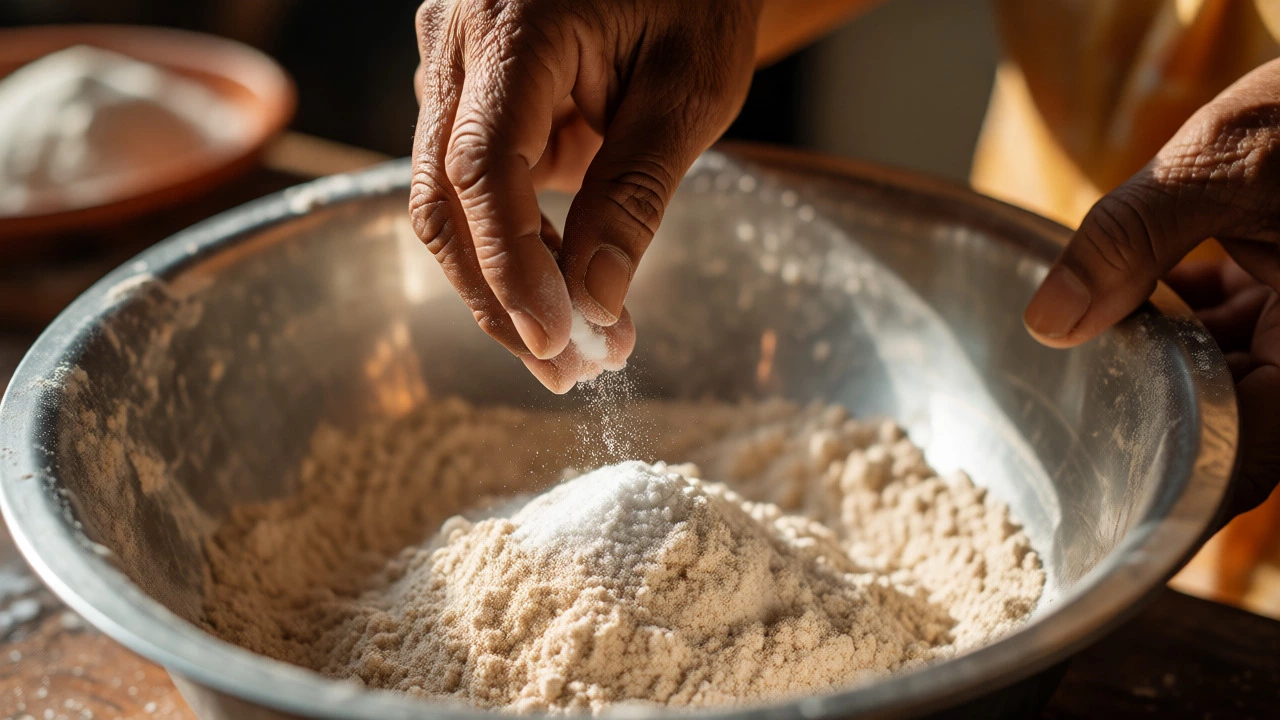
If you decide to use it, be surgical. You don’t need a teaspoon. A quarter-teaspoon per cup of flour is plenty. More than that, and you’ll taste the chemicals, not the wheat.
The Better Alternatives for Soft Roti
If you’re looking for consistent softness without risking a metallic aftertaste, there are proven methods that don’t involve playing chemist in your kitchen. Most professional chefs and experienced home cooks rely on these techniques instead.
| Method | Mechanism | Best For | Risk Factor |
|---|---|---|---|
| Warm Water | Hydrates starches faster; relaxes gluten | All-purpose daily roti | Low - Hard to mess up |
| Ghee/Oil | Coats flour particles; prevents gluten over-development | Flaky parathas or soft phulkas | Low - Adds calories |
| Resting Time | Allows gluten strands to unwind naturally | Tough or elastic dough | Medium - Requires patience |
| Baking Soda | Alkaline reaction tenderizes protein | Recipes with yogurt/acid | High - Soapy taste if overused |
Use Warm Water: This is the golden rule. Cold water tightens gluten bonds immediately, making the dough resistant to rolling. Warm water (around 40°C or 105°F) hydrates the flour more efficiently and keeps the gluten relaxed. Knead until smooth, then cover it with a damp cloth for at least 15-20 minutes. This rest period is non-negotiable. It allows the water to fully penetrate the flour particles, ensuring even hydration.
Add Fat Early: Mixing a tablespoon of ghee or neutral oil into the dry flour before adding water coats the protein strands. This inhibits strong gluten formation, leading to a tender crumb rather than a chewy one. This is especially helpful if you are using high-protein whole wheat flour, which tends to be tougher.
Common Mistakes That Ruin Texture
Even if you skip the baking soda, other factors can turn your roti into cardboard. Here is what usually goes wrong.
Over-kneading: While you want a smooth dough, kneading it excessively develops too much gluten. Think of it like stretching a rubber band too far-it becomes tough and snaps back. Aim for a smooth, pliable ball, not a firm, bouncy one.
Rolling Too Thin: If you roll the dough paper-thin, it dries out instantly on the tawa (griddle). Moisture is what keeps roti soft. Aim for a thickness of about 2-3 millimeters. If it’s translucent, it’s too thin.
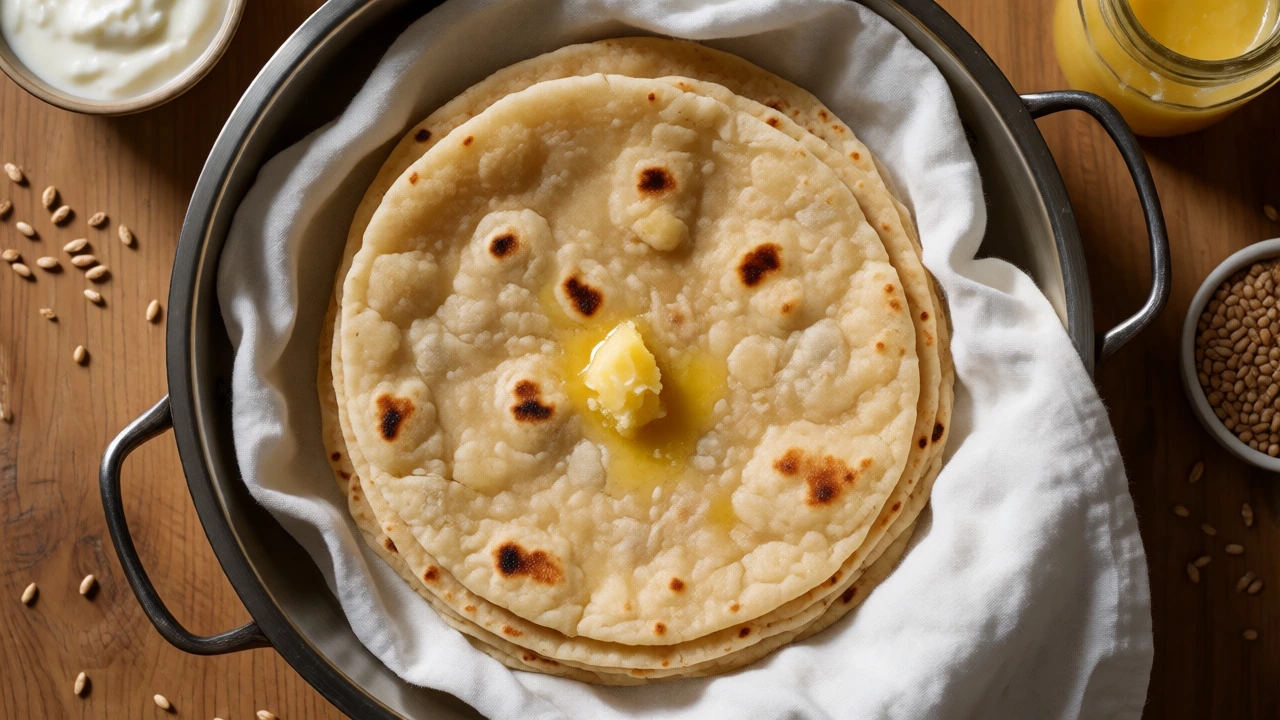
Skipping the Steam: The final step is crucial. Once your roti puffs up, remove it from direct heat and wrap it in a clean cotton cloth or place it in a casserole dish. The residual steam continues to cook the interior gently and redistributes moisture throughout the stack. If you let them sit exposed to air, they will harden within minutes.
Regional Variations and Ingredient Swaps
Not all flatbreads are created equal. In Punjab, the focus is often on pure wheat and skillful hand-rolling. In Gujarat, theplas frequently include yogurt and methi (fenugreek) seeds, where baking soda or baking powder is actually standard because of the acidic yogurt base. In South India, while chapati is similar, some households add a pinch of sugar to aid browning and softness, though this is less common in traditional North Indian recipes.
If you are experimenting with alternative flours, such as millet, jowar, or bajra, baking soda behaves differently. Millet flours lack gluten entirely, so they rely on binding agents like boiling water (for jowar/bajra) or eggs/yogurt. In these cases, baking soda rarely helps because there is no gluten network to trap the gas bubbles effectively. Stick to warm water and fat for these grains.
How to Test If Your Roti Needs Help
Before you dump chemicals into your bowl, diagnose the problem. Roll out a small test piece. Does it spring back aggressively? That’s tight gluten-let it rest longer. Does it crack at the edges? That’s dry dough-add a splash of water. Does it tear easily? That’s weak gluten-maybe your flour is old, or you added too much water.
If none of these fixes work, and you still find your rotis hard as bricks after cooling, try adding half a teaspoon of baking soda to your next batch. Mix it thoroughly into the dry flour to avoid clumps. Taste a small piece of cooked dough before proceeding. If it tastes bitter, reduce the amount next time. If it tastes fine and feels softer, you’ve found your personal preference.
Practical Tips for Perfect Roti Every Time
Here is a quick checklist to ensure success without relying on additives:
- Sift the Flour: Remove bran chunks and aerate the flour. This ensures even hydration.
- Knead with Warm Water: Add water gradually. The dough should feel like an earlobe-soft but not sticky.
- Rest for 20 Minutes: Cover tightly. Do not skip this.
- Preheat the Tawa: Medium-high heat. You want immediate sizzle upon contact.
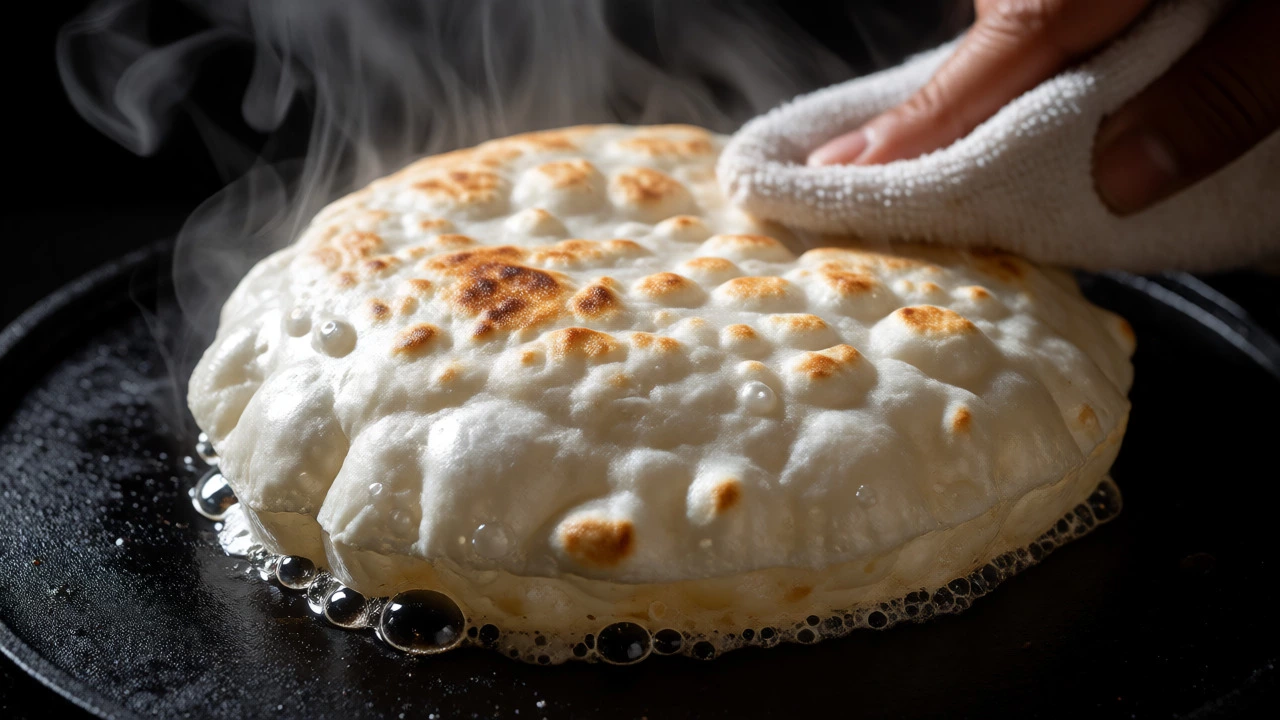
- Cook Properly: Flip once bubbles appear. Press gently with a cloth to encourage puffing. Cook both sides lightly browned.
- Apply Ghee Immediately: Brush with ghee while hot to seal in moisture.
- Stack and Wrap: Keep wrapped in a cloth-lined container until serving.
By following these steps, you leverage natural processes rather than chemical shortcuts. The result is a roti that stays soft for hours, not just minutes.
Does baking soda change the taste of roti?
Yes, if used incorrectly. Because baking soda is alkaline, using too much without an acid (like yogurt) can leave a distinct soapy or metallic aftertaste. It can also cause the roti to brown too quickly and turn yellowish. Always start with a very small amount, such as 1/8 to 1/4 teaspoon per cup of flour, and only if necessary.
Is baking soda healthy for daily consumption in roti?
In small quantities, baking soda is generally safe for most people. However, it is high in sodium. Individuals managing hypertension or kidney issues should monitor their intake. Additionally, frequent consumption of alkaline foods may affect stomach acid balance for some, though occasional use in cooking is typically negligible.
Can I use baking powder instead of baking soda in roti?
Baking powder contains baking soda plus an acidifying agent (usually cream of tartar) and a drying agent. It is more forgiving because it doesn't require an external acid to activate. If you want a guaranteed mild lift without worrying about pH balance, baking powder is a safer bet. Use half the amount you would use for baking soda, as it is more potent.
Why do my rotis become hard after cooling?
Hardening occurs when moisture escapes. To prevent this, ensure your dough is well-hydrated, apply ghee or butter immediately after cooking to create a barrier, and store the cooked rotis in a sealed insulated container lined with a cotton cloth. This traps steam and keeps them pliable.
Does adding milk make roti softer?
Yes, replacing some or all of the water with milk can significantly improve softness. Milk contains fats and proteins that tenderize the dough and promote better browning. It adds richness and helps retain moisture longer than water alone. This is a popular technique in many cafes and restaurants.