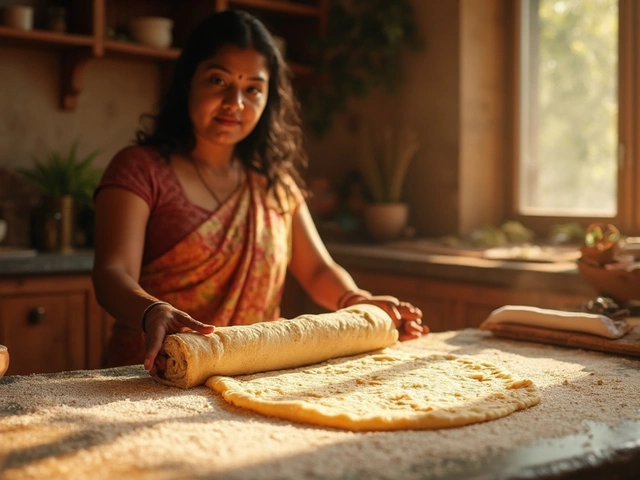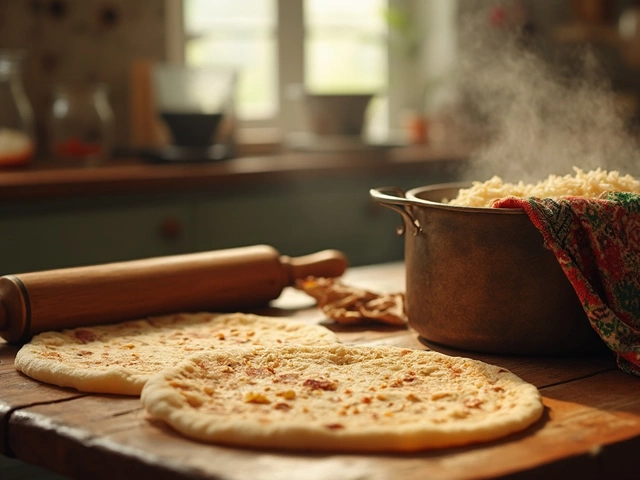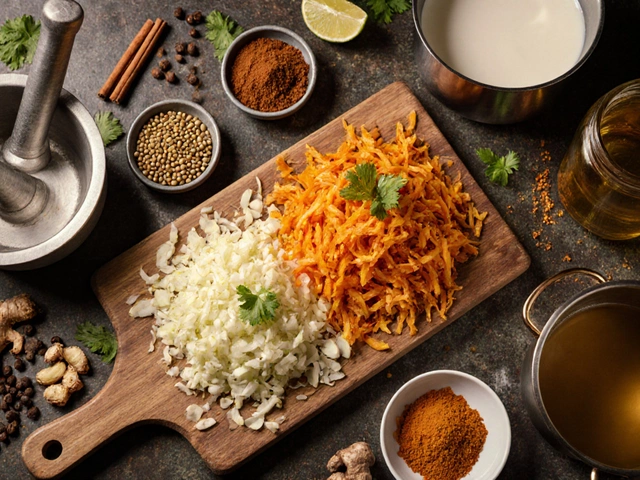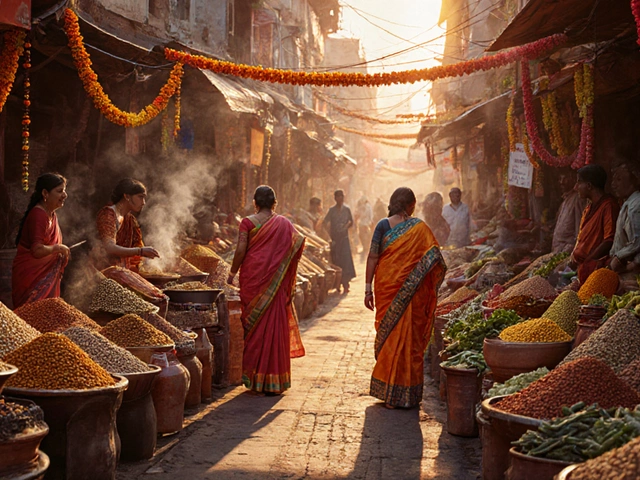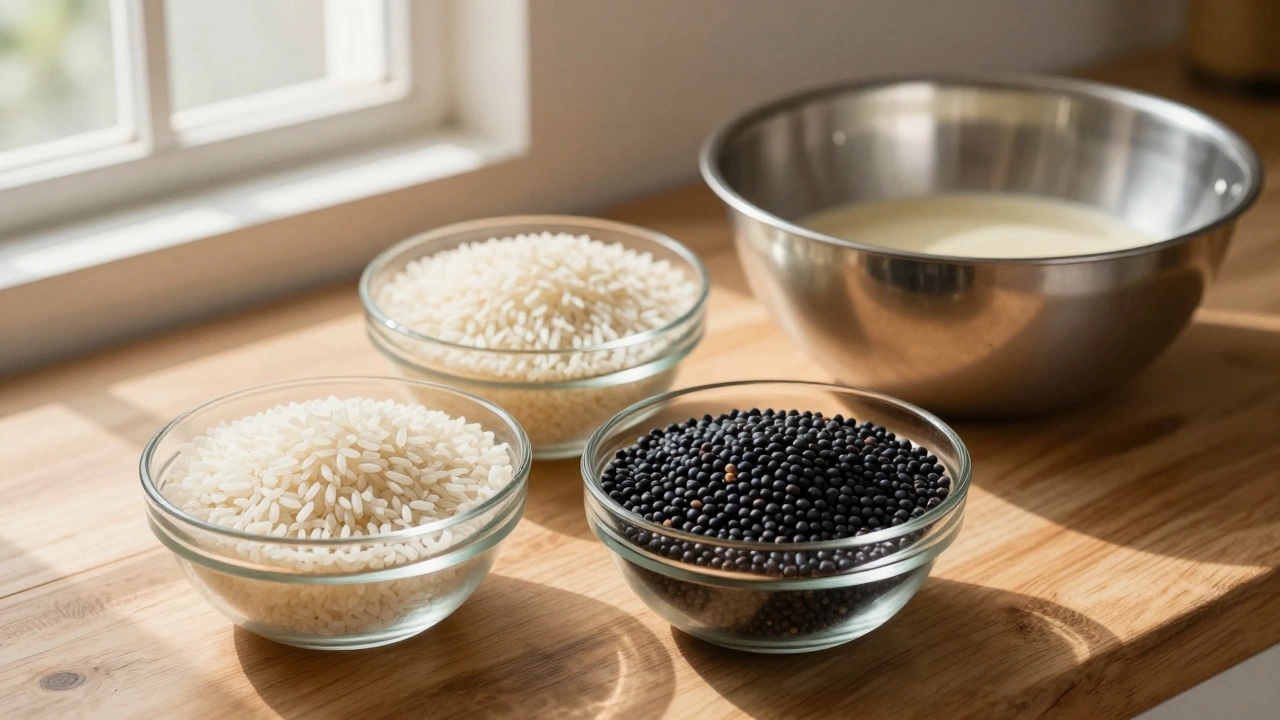
There is nothing quite like the smell of a hot, crispy dosa hitting the griddle. But for anyone living in the United States, the journey to that perfect golden edge often hits a roadblock at the grocery store. You might find the spices, the lentils, and even the chutneys, but the rice can be confusing. The shelves are lined with Basmati, Jasmine, and long-grain white rice, none of which seem to give you that authentic texture you remember from home. The right grain is the backbone of your Dosa Batter, which is a fermented mixture of rice and lentils used to make South Indian crepes. Without it, your dosas will be soggy or break easily.
The Secret to Crispy Dosa Starts with Rice
To understand why specific rice matters, you have to look at the starch. Traditional dosa relies on rice that releases a specific amount of starch when soaked and ground. This starch helps the batter hold its shape while allowing the edges to crisp up beautifully. In India, cooks often use a mix of raw rice and parboiled rice. Parboiled rice, also known as converted rice, has been partially boiled in the husk. This process drives nutrients into the grain and changes its texture, making it less sticky and more suitable for fermentation.
When you are in the US, finding the exact variety used in a Chennai kitchen can be tricky. However, the goal remains the same: you need a rice that is sturdy enough to hold air bubbles during fermentation but soft enough to grind into a smooth paste. If you use the wrong type, you end up with a batter that is too thick, too runny, or simply refuses to rise. The texture of the final dosa depends entirely on this initial choice.
Your Best Bet: Parboiled and Idli Rice
If you have access to an Indian grocery store in your area, your life becomes significantly easier. Look for bags labeled "Idli Rice" or "Parboiled Rice." Idli rice is specifically milled to be softer and cook faster, which translates well to dosa batter. It is essentially parboiled rice that has been polished. Brands like Fortune is a popular Indian brand of parboiled rice widely available in US stores or Ramdev is a common brand of idli rice found in South Asian markets are staples. These rices are engineered for South Indian fermentation.
Using Idli rice means you can skip the long soaking times often required for raw rice. It absorbs water quickly and grinds smoothly. For the crispiest dosa, a mix of 70% Idli rice and 30% raw parboiled rice works wonders. The raw portion adds the necessary starch for crispiness, while the Idli rice ensures the batter is light and fluffy. If you can only buy one bag, grab the Idli rice. It is the safest bet for beginners in the US who want reliable results without experimenting with ratios.
No Indian Store? Try These US Supermarket Options
Not everyone lives near a store like Patel Brothers or a large Indian market. Many Americans make dosas using ingredients found at Walmart, Target, or Kroger. In this scenario, you need to know which standard American rice works best. Long-grain white rice is your closest substitute. It has a lower starch content than short-grain or medium-grain rice, which prevents your dosa from becoming a sticky mess.
Avoid Jasmine rice or Basmati rice. Basmati is aromatic but too dry and brittle for fermentation; it tends to result in a batter that doesn't bind well. Jasmine rice is too sticky and will make your dosa heavy. Stick to generic long-grain white rice. You might need to soak it a bit longer than Idli rice, perhaps 4 to 6 hours, to ensure it grinds properly. Another option is to look for "Converted Rice" in the regular rice aisle. This is the American term for parboiled rice. It is often sold in bags labeled for use in pilafs or biryanis, but it works perfectly for dosa.
The Urad Dal Factor
While rice gets the spotlight, you cannot make dosa batter without Urad Dal, which is a type of black gram lentil essential for fermentation and fluffiness. This lentil is the engine of the fermentation process. The proteins in the dal break down, creating the gas that makes the batter rise. In the US, you must ensure you are buying "Whole Black Gram" or "Urad Dal" that is skinless. Whole black gram with the skin on will take much longer to grind and ferment.
Most Indian grocery stores sell Urad Dal in 500g or 1kg bags. If you are at a regular supermarket, check the international aisle. Sometimes it is labeled as "Split Black Lentils." Do not use red lentils (Masoor Dal) or yellow lentils (Moong Dal) as a substitute. They do not have the same protein structure needed to trap carbon dioxide during fermentation. Without the right dal, your batter will not rise, and your dosas will be flat and dense.
Perfect Ratios for American Kitchens
The ratio of rice to dal changes based on the rice you choose. If you are using Idli rice or Parboiled rice from an Indian store, the standard ratio is 3 parts rice to 1 part Urad Dal. For example, 3 cups of rice to 1 cup of dal. This balance ensures the batter has enough starch for structure and enough protein for fluffiness.
If you are using regular long-grain white rice from a US supermarket, you might need to adjust slightly. Try a ratio of 2.5 parts rice to 1 part dal. The regular rice is harder, so adding a bit more dal helps with the fermentation strength. Always measure by volume (cups) rather than weight for consistency in home cooking. Add a teaspoon of poha (flattened rice) if you want extra crispiness. Poha is available in Indian stores and sometimes in the baking aisle of larger supermarkets. It ferments quickly and adds a distinct crunch.
| Rice Type | Availability | Soaking Time | Result |
|---|---|---|---|
| Idli Rice | Indian Grocery | 2-3 Hours | Fluffy, Soft |
| Parboiled Rice | Indian Grocery / Regular | 3-4 Hours | Crispy, Sturdy |
| Long Grain White | Walmart / Target | 4-6 Hours | Good Substitute |
| Basmati Rice | Everywhere | Not Recommended | Dry, Brittle |
Soaking and Grinding Tips
Soaking is where many home cooks make mistakes. In the US, water hardness varies by region. If you live in an area with hard water, your batter might not ferment as well. Using filtered or distilled water can sometimes help improve the consistency. Soak your rice and dal separately. Rice needs to be softer than the dal. If they are soaked together, the dal might disintegrate while the rice is still hard. Drain the water completely before grinding. Excess water can lead to a sour taste or a batter that is too runny.
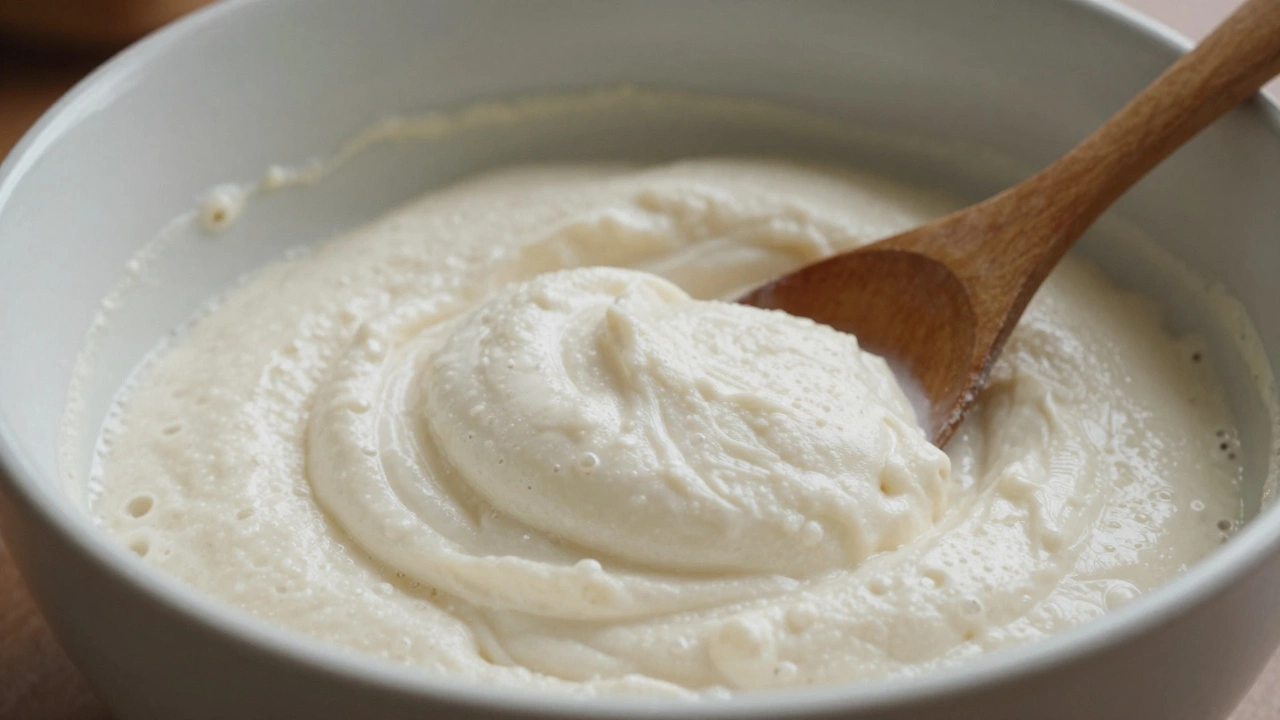
When grinding, use a wet grinder if you have one. It generates less heat and keeps the batter cool, which is crucial for fermentation. If you are using a standard food processor or blender, grind in small batches. Do not overheat the motor. Add water gradually. The batter should be thick but pourable, similar to pancake batter. If you add too much water at the start, you cannot take it out. A little water goes a long way during the grinding process.
Fermentation in Different US Climates
Fermentation is a biological process driven by temperature. In South India, the ambient temperature is naturally warm, aiding fermentation. In the US, this varies wildly. If you live in a cold climate like Chicago or New York in winter, your batter might not rise overnight. You need a warm spot. Turn on the oven light and place the bowl inside the turned-off oven. The bulb generates enough heat to keep the batter warm without cooking it. Alternatively, place the bowl in a warm water bath in the sink.
Summer in the South, like Texas or Florida, is naturally warm. Your batter might ferment too quickly, leading to sourness. Keep it in a cooler spot if it is above 80 degrees Fahrenheit. The ideal temperature for fermentation is between 85 and 90 degrees Fahrenheit. If your batter rises and smells slightly sour, that is good. If it smells like alcohol or vinegar, it has over-fermented. Salt should be added only after fermentation is complete. Salt slows down the yeast activity, so adding it too early can prevent the batter from rising.
Troubleshooting Common Batter Issues
Even with the right rice, things can go wrong. If your dosa is too soft and not crispy, you likely used too much rice flour or not enough parboiled rice. Next time, increase the parboiled rice ratio. If the batter is too thick and hard to spread, add a little water and mix well. If the batter smells bad, discard it. Food safety is paramount. If the batter turns pink or green, do not eat it. This indicates bacterial contamination.
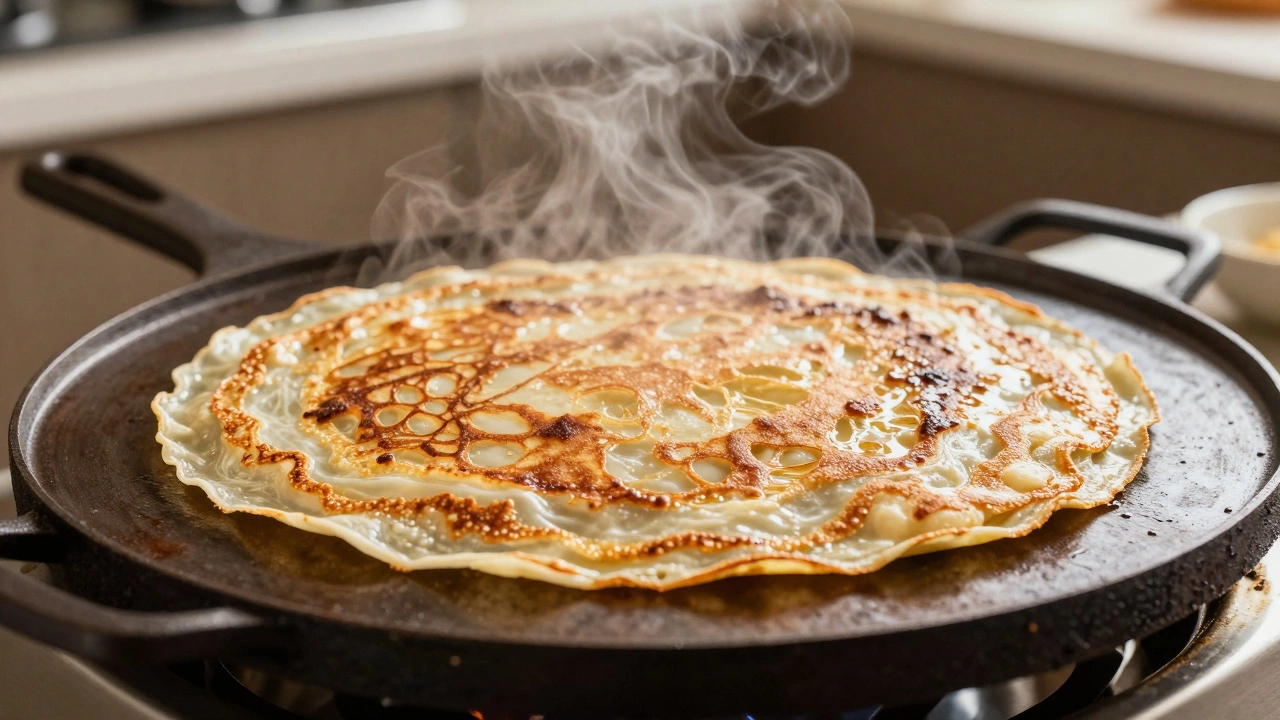
Another common issue is the batter sticking to the pan. Ensure your cast iron or non-stick pan is seasoned properly. Heat the pan until a drop of water sizzles and evaporates immediately. Pour the batter and spread it quickly. If the pan is not hot enough, the rice starch will stick to the surface instead of crisping up. Use a non-stick spray or a little oil around the edges. With the right rice and these techniques, you can make authentic dosa batter right in your American kitchen.
Can I use rice flour instead of whole rice for dosa?
Yes, you can use rice flour, but the texture will differ. Instant dosa flour mixes are available in Indian stores. However, grinding your own rice gives a better texture and longer shelf life. If using flour, soak it with urad dal or use a mix of rice flour and urad dal flour.
How long can I store dosa batter in the fridge?
You can store fermented batter in the refrigerator for up to 5 days. The flavor often improves after a day in the fridge. If you need to store it longer, freeze the batter in portions. Thaw it in the fridge overnight before using.
Why is my dosa batter not rising?
The most common reasons are cold temperature or adding salt too early. Ensure your kitchen is warm enough. If it is cold, use the oven light trick. Also, check that your urad dal is fresh. Old dal loses its ability to ferment.
Can I use brown rice for dosa batter?
Brown rice is not recommended for traditional dosa. It is too fibrous and does not ferment well. It will result in a gritty texture and a batter that does not rise. Stick to white parboiled or idli rice for best results.