Chutney Style & Recipe Calculator
Sanskrit: Tsatna (Spices)
Hindi: Chatni (Condiment mix)
Adapted to sweet, cooked preserves
Two distinct styles coexist worldwide
Ingredients
Preparation Method
Have you ever stood in a grocery aisle or at a bustling street food stall, staring at a jar of vibrant green paste or a tangy red relish, and wondered about the name itself? We use the word chutney every day to describe everything from mint dips to sweet fruit preserves, but the word carries a heavy historical weight. It isn’t just a random label; it’s a linguistic bridge between ancient Indian kitchens and modern global palates. Understanding why we call it chutney changes how you taste it. You start noticing the balance of heat, acid, and sweetness that defines the category, rather than just seeing it as a generic side dish.
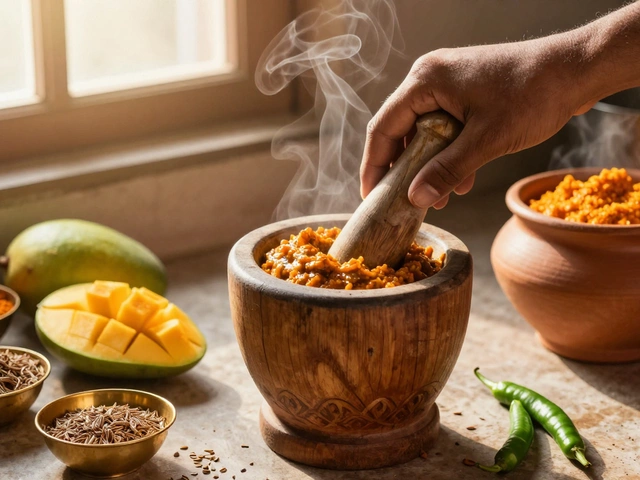
The journey of this word begins thousands of years ago in the Indian subcontinent. To understand the name, we have to look at the Sanskrit root: tsatna. This word simply meant "spices" or "condiments." As languages evolved over centuries, the hard 't' sound softened, and the vowels shifted. By the time the language had transitioned into Hindi and other regional dialects, tsatna had morphed into chatni. The meaning stayed remarkably consistent: a mixture of spices used to enhance flavor. It wasn't necessarily a cooked preserve yet; it was often a fresh blend of herbs, seeds, and chilies pounded together with a mortar and pestle.
What does the word chutney mean originally?
The word originates from the Sanskrit term tsatna, meaning spices or condiments, which evolved into the Hindi chatni.
The British Colonial Connection
If the word started in India, why do we associate it so strongly with British tea tables and English breakfasts? The answer lies in the era of the British East India Company. When British traders and soldiers arrived in India during the 17th and 18th centuries, they encountered a diet that was vastly different from their own. They were used to preserved foods-pickles, jams, and jellies-that could last through long winters. In India, however, people ate fresh, pungent, and spicy condiments daily.
The British found these local chatnis fascinating. They began adopting them into their own meals to cut through the richness of curries and meats. But here is where the culinary adaptation happened. The British palate preferred something sweeter and more stable than the fresh, watery herb pastes common in India. So, they started cooking these mixtures down with sugar and vinegar. This process transformed the fresh chatni into a thick, shelf-stable preserve that resembled the jams they knew back home. The spelling eventually standardized to "chutney" in English texts, cementing its place in the Western lexicon.
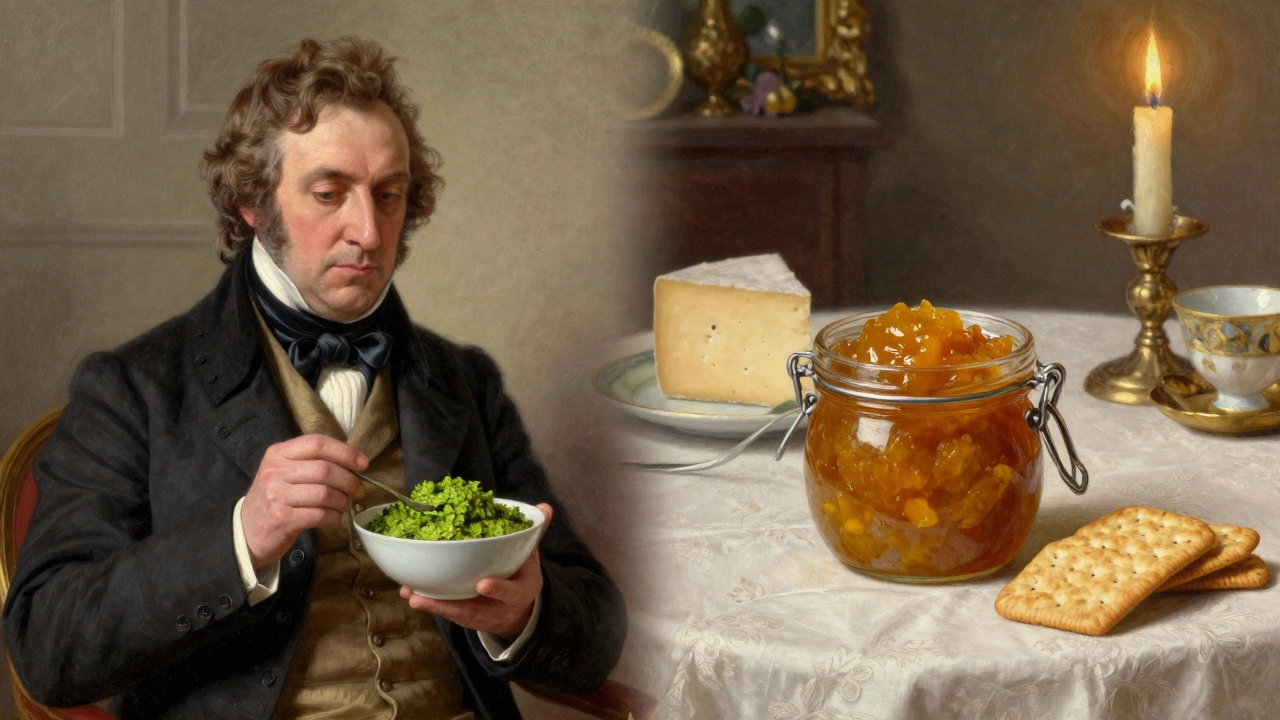
This colonial exchange created two distinct branches of chutney. On one side, you have the traditional Indian style: fresh, raw, and often liquid-based. Think of the green coriander-cilantro paste served with samosas or the tamarind-date mixture eaten with snacks. On the other side, you have the Anglo-Indian style: cooked, sweet, and chunky. This is the mango chutney you find on a cheese board in London or New York. Both are valid, both are delicious, but they represent different historical moments.
While exploring global food histories can take you all over the map-from the spice routes of Kerala to the street markets of Bangkok (where you might even stumble upon unique local directories like this resource for cultural insights)-the story of chutney remains deeply rooted in the fusion of necessity and preference. The British needed preservation; the Indians provided flavor. The result was a hybrid that conquered the world.
Fresh vs. Cooked: Defining the Two Types
To truly appreciate why it's called chutney, you need to understand the mechanics behind the two main styles. The distinction isn't just about cooking; it's about preservation methods and flavor profiles.
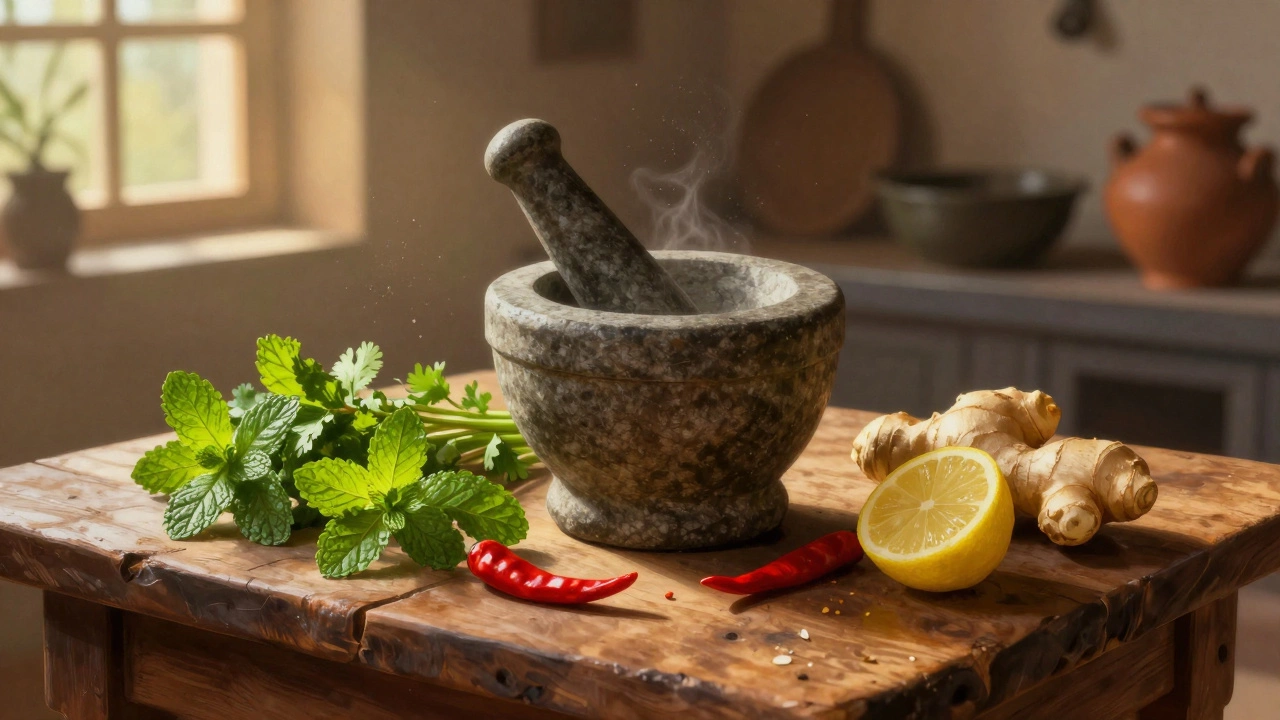
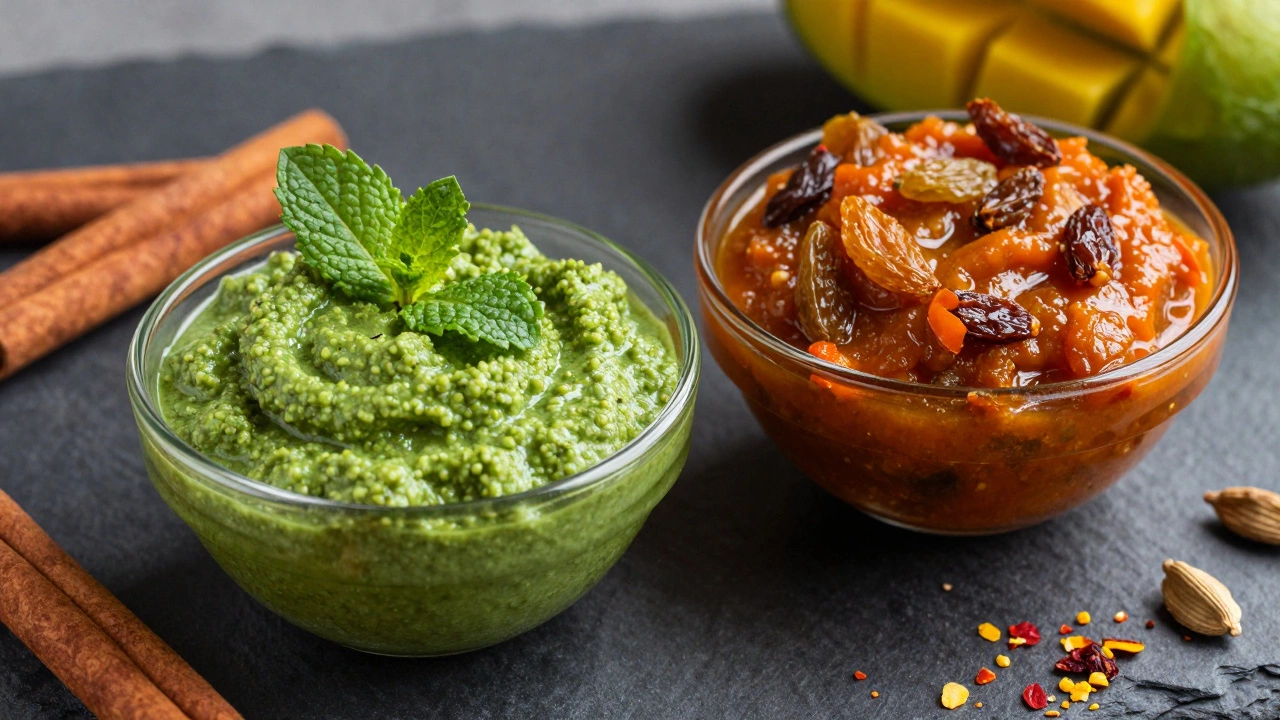
Fresh Chutney is a raw condiment made by grinding ingredients without heat. These rely on the natural juices of the ingredients. A classic example is Mint-Cilantro Chutney. You take fresh mint leaves, cilantro, green chilies, garlic, ginger, lemon juice, and salt. You grind them until smooth. No sugar. No vinegar. Just pure, bright acidity and heat. This type of chutney is perishable. It lasts maybe three days in the fridge. It is meant to be eaten immediately with hot food to provide a cooling or heating contrast.
In contrast, Cooked Chutney is a preserved condiment made by simmering fruits or vegetables with sugar and acid. Mango chutney is the king here. You take unripe or ripe mangoes, chop them up, and cook them slowly with brown sugar, raisins, onions, ginger, and vinegar. The heat breaks down the pectin in the fruit, thickening the mixture. The sugar acts as a preservative, and the vinegar adds acidity to prevent spoilage. This chutney can last for months in a sealed jar. It is complex, layered, and often served as a accompaniment to cold cuts or cheeses rather than hot curries.
| Feature | Fresh Chutney (Indian Style) | Cooked Chutney (Anglo-Indian Style) |
|---|---|---|
| Preparation | Blended or ground raw | Simmered and reduced |
| Key Ingredients | Herbs, chilies, lemon, garlic | Fruit, sugar, vinegar, spices |
| Shelf Life | 3-5 days (refrigerated) | Several months (sealed) |
| Flavor Profile | Bright, acidic, spicy | Sweet, tangy, complex |
| Common Pairings | Dosa, Samosa, Curry | Cheese, Charcuterie, Roast Meat |
The Role of Ingredients in Naming
You might wonder if the name changes based on what is inside. In strict culinary terms, no. Whether it’s made of tomatoes, peanuts, or apples, if it fits the profile of a spiced condiment derived from the chatni tradition, it’s a chutney. However, regional variations have given rise to specific names that function as sub-categories.
In South India, you will hear about Podi or Podi Chutney. This is a dry powder made from roasted lentils, chilies, and spices, mixed with oil and onion at the table. It’s technically a chutney, but the texture is completely different. Then there is Achar, which is often translated as pickle, but in many contexts, it overlaps with chutney. The line blurs when you consider that some achars are wet and sweet, much like a cooked chutney. The key difference is usually intensity. Achar tends to be oilier and hotter, while chutney is often more balanced and accessible.
Another interesting variation is the Raita. While not called a chutney, it serves a similar purpose: cooling down spicy food. Raita uses yogurt as a base, whereas chutney uses water, oil, or fruit pulp. If you swap the yogurt for a reduction of tamarind and jaggery, you’ve moved from raita territory back into chutney land. This fluidity shows that "chutney" is less about a specific recipe and more about a functional role in the meal: it is the flavor enhancer.
How to Make Your Own: Simple Recipes
Now that you know the history, try making it yourself. It’s surprisingly easy. Here are two foundational recipes that highlight the difference between the fresh and cooked styles.
Basic Green Chutney (Fresh)
This is the standard accompaniment for almost any Indian snack.
- 1 cup fresh cilantro leaves, stems removed
- 1/2 cup fresh mint leaves
- 1 green chili, deseeded if you prefer less heat
- 1 small piece of ginger (thumb-sized)
- Juice of 1 lime
- 1/2 teaspoon salt
- 2 tablespoons water (to help blending)
Combine all ingredients in a blender. Pulse until smooth. If it’s too thick, add a splash more water. Taste and adjust salt or lime. Serve immediately.
Classic Mango Chutney (Cooked)
This version is perfect for gifting or storing.
- 2 cups diced mangoes (use firm, slightly underripe mangoes for better texture)
- 1/2 cup chopped onions
- 1/4 cup raisins
- 1 tablespoon grated ginger
- 1/2 cup brown sugar
- 1/4 cup apple cider vinegar
- 1/2 teaspoon cinnamon stick
- 1/4 teaspoon cardamom pods
In a large pot, combine all ingredients. Bring to a boil, then reduce heat to low. Simmer for about 45 minutes, stirring occasionally, until the mixture thickens and the mangoes are soft. Remove the cinnamon stick and cardamom pods before bottling. Let it cool completely before sealing.
Global Variations Beyond India
The concept of chutney has traveled far beyond the Indian subcontinent. In Caribbean cuisine, you’ll find Scotch Bonnet pepper chutneys that are incredibly fiery and sweet, reflecting the region’s love for bold flavors. In Southeast Asia, while they don’t always use the word "chutney," the concept exists in sauces like Sambal in Indonesia and Malaysia. Sambal is a chili paste that functions exactly like a fresh chutney: it adds heat and depth to rice and meat dishes. The ingredients differ-shrimp paste instead of cilantro-but the job-to-be-done is identical.
In the UK, chutney became a staple of the Christmas dinner table. It’s often served alongside turkey and stuffing, providing a fruity counterpoint to the savory roast. This usage is purely a product of the colonial trade routes bringing Indian goods to Britain, which then stuck in the national consciousness. Today, you can buy jars of apricot, pineapple, and even beetroot chutney in supermarkets worldwide. The name has become a shorthand for "sweet-and-sour fruit preserve," regardless of whether it contains any actual Indian spices.
Why the Name Matters for Cooking
Knowing that chutney comes from tsatna (spices) reminds us that the core of the dish is seasoning. It’s not just about fruit or herbs; it’s about how those ingredients interact with salt, acid, and heat. When you make a chutney, you are balancing these elements. If your fresh chutney tastes flat, it likely needs more salt or lime. If your cooked chutney feels cloying, it needs more vinegar or a pinch of cayenne pepper.
This understanding helps you innovate. You aren’t limited to mango or mint. You can make a roasted tomato chutney with balsamic vinegar. You can create a peanut-chili chutney for sandwiches. You can experiment with local fruits like peaches or plums. The structure remains the same: take a base ingredient, add acid, add sweetness (if cooked), add heat, and blend or simmer. The name gives you permission to play because it describes a technique, not a rigid recipe.
Is chutney the same as salsa?
They are similar in function as fresh toppings, but chutney typically includes spices like cumin or coriander and may be cooked, while salsa is usually raw and focused on tomatoes, onions, and peppers.
Can I freeze chutney?
Yes, especially fresh chutneys. Pour them into ice cube trays for easy portioning. Cooked chutneys can also be frozen, though the texture may soften slightly upon thawing.
What is the difference between chutney and relish?
Relish is usually chunkier and often made from pickled vegetables like cucumbers or corn. Chutney is smoother and heavily spiced, often with a sweet-and-sour profile.
Why is my homemade chutney too runny?
For fresh chutneys, strain excess liquid or add more herbs. For cooked chutneys, simmer longer to evaporate moisture, or add a teaspoon of cornstarch slurry to thicken.
Does chutney have to be spicy?
No. While many traditional chutneys include chilies, others focus on sweetness and tang, such as date-tamarind chutney or mild apple chutney.