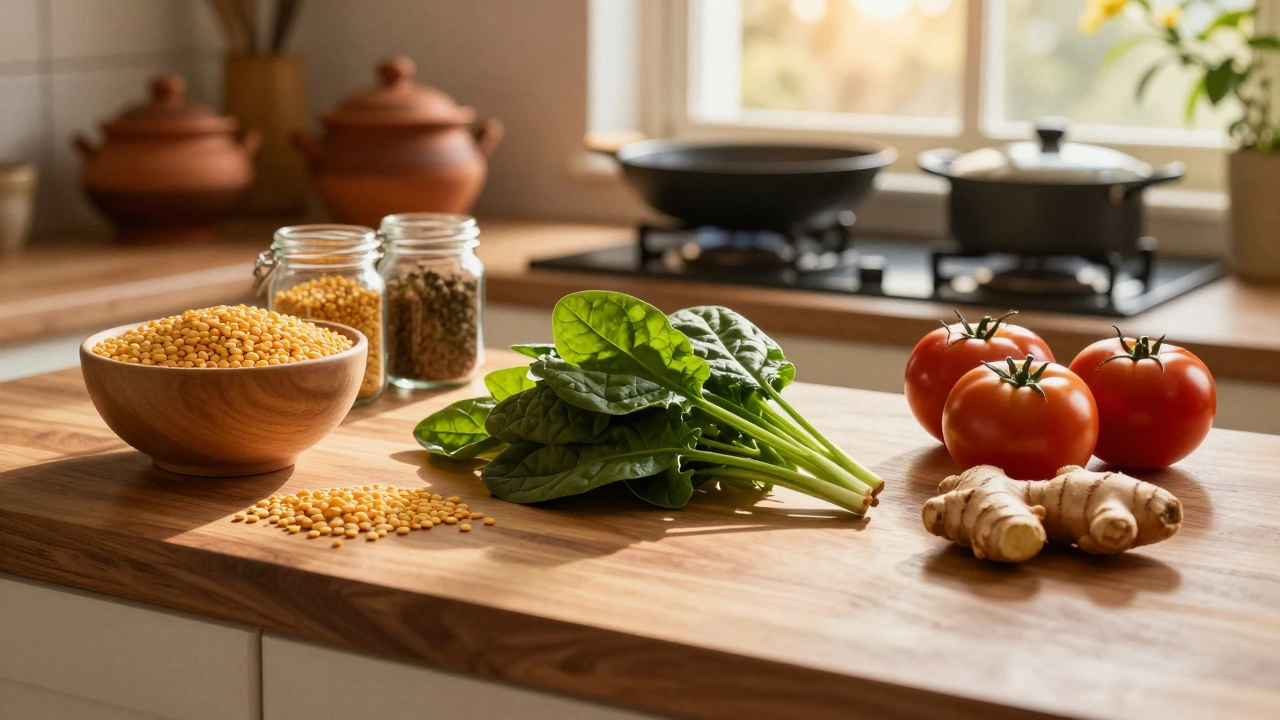
Many people assume that every indian cuisine is heavy on oil and cream. This reputation often stops beginners from exploring a vast world of vibrant flavors. In reality, traditional Indian home cooking relies heavily on vegetables, lentils, and spices that boost immunity. If you are looking for the single healthy indian dish to start your journey, the answer lies in how ingredients are combined rather than just the name of the recipe.
There is no magic bullet here, but specific combinations consistently rank higher on the nutrition scale. To understand which meal wins, we need to look at the base components. A typical thali includes rice, roti, dal, sabzi, pickle, and papad. Each element contributes differently to your daily macros. Some add unnecessary sodium while others provide essential iron and fiber. Your choice of oil makes just as much difference as the type of grain used.
The Case for Lentil-Based Meals
When nutritionists analyze Dal, they often point out its versatility. Dal refers to any split pulse boiled in water with spices. It sits at the heart of millions of vegetarian diets across the subcontinent. Why is it so beneficial? One bowl of moong dal provides about 9 grams of protein and 8 grams of fiber. These numbers are crucial because most modern diets lack fiber. High fiber intake helps regulate blood sugar levels significantly.
You might wonder why lentils beat chicken breast sometimes. Plant proteins come packaged with antioxidants that animal meats lack. They do not contain saturated fat linked to heart issues. The way you cook them matters, however. Pressure cooking retains more vitamins than boiling them open-pot for hours. A simple tadka tempering using mustard seeds adds flavor without needing excess salt. Many families skip the ghee in the tadka to lower caloric density further.
Grain Choices That Change Everything
The carbohydrate source you choose impacts your energy levels throughout the day. Refined white flour (maida) causes rapid spikes in insulin. Whole wheat rotis or millets offer a slower release of energy. Millets like ragi are experiencing a resurgence in popularity due to their high calcium content. Ragi flatbread provides almost double the calcium found in standard cow milk when eaten in normal serving sizes.
| Grain Type | Fiber (g per 100g) | Glycemic Impact | Key Benefit |
|---|---|---|---|
| Whole Wheat | 12.2 | Medium | B-Vitamins |
| Ragi (Finger Millet) | 10.3 | Low | High Calcium |
| Brown Rice | 1.8 | Medium-High | Amino Acids |
| White Rice | 0.4 | High | Quick Energy |
Choosing basmati rice over non-basmati varieties is another strategic move. Long-grain basmati has a lower glycemic index compared to short-grain varieties. This means it does not spike blood glucose as aggressively. If you enjoy rice, pair it with lemon juice. Citric acid slows down carbohydrate digestion slightly, helping stabilize sugar absorption rates.
Spices as Functional Medicine
It is easy to overlook the small jars on your shelf. Turmeric is the standout star among these. Turmeric contains curcumin, a compound known for its anti-inflammatory properties. Studies suggest consuming active turmeric alongside black pepper increases absorption by up to 2000%. Without black pepper, your body struggles to utilize the active compounds effectively. Adding this to your evening dal transforms a simple meal into a functional health booster.
Cinnamon is another powerhouse often added to tea or rice dishes. It acts as a natural blood sugar regulator. Garlic cloves, when crushed before frying, release allicin, which supports heart health. While these spices add negligible calories, they provide substantial biochemical benefits. You do not need large quantities. Just a pinch of ground turmeric in your morning coffee or evening soup works wonders.
The Trap of Fried Vegetables
Vegetable stir-fries sound obvious, but many restaurant versions drown in oil. Home cooking allows you to control the liquid fat content. Using a non-stick pan reduces the need for lubrication during cooking. Steaming vegetables preserves water-soluble vitamins better than boiling them. If you boil spinach, the nutrients leach into the water. Stir-frying keeps those nutrients trapped inside the leaves.
Consider the difference between pakoras and sautéed greens. Pakoras are deep-fried batter balls that absorb significant amounts of oil during the process. A similar texture comes from air-frying but uses a fraction of the fat. When making vegetable khichdi, use brown rice or quinoa instead of maida. Switching the flour type changes the digestive outcome completely.
Hydration and Fermentation Benefits
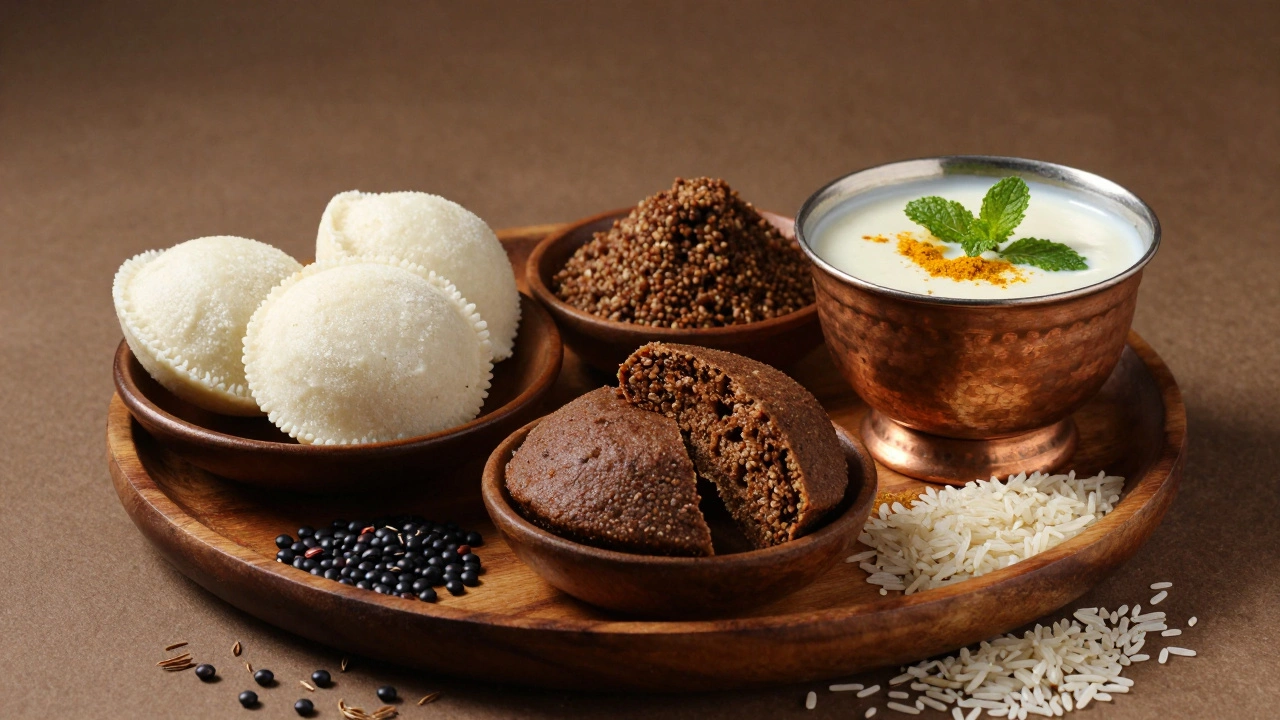
South Indian fermented foods like idli and dosa have a distinct advantage. Fermentation breaks down phytic acid naturally present in grains. Phytic acid blocks mineral absorption in the human gut. By soaking rice and urad dal overnight, the next morning’s steamed cakes become easier to digest. This process creates probiotics that aid gut bacteria diversity.
Buttermilk, known as chaas, is far superior to plain yogurt for hydration. Plain yogurt sits heavier in the stomach due to lactose concentration. Whipping yogurt with water, cumin, and mint dilutes the fat content and adds electrolytes. This balance helps replace salts lost during sweating without the heaviness associated with solid cheese products. Drinking this after spicy meals neutralizes acidity quickly.
Constructing the Perfect Plate
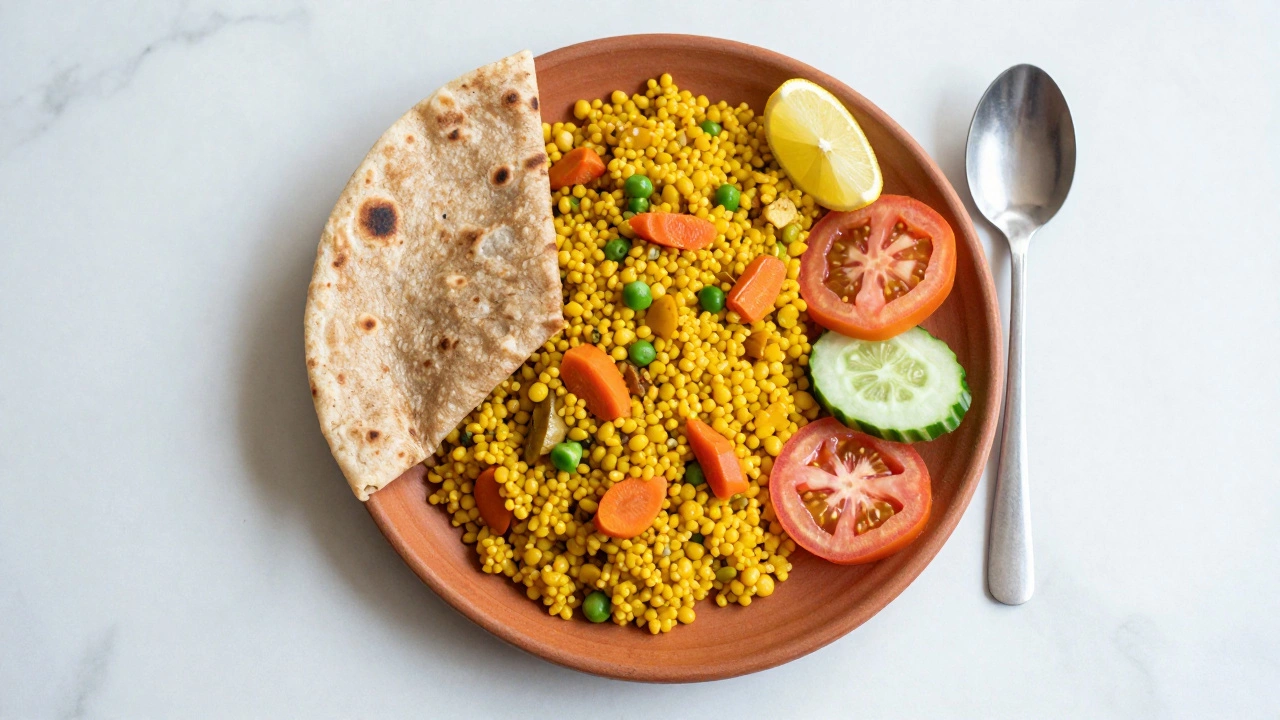
To maximize health, portion ratios matter as much as ingredient selection. A standard balanced plate includes half vegetables, one quarter protein (dal or paneer), and one quarter complex carbs (roti/rice). Fillings should dominate the visual space. If your dal is mostly gravy with few lentils, the nutritional value drops drastically. Always check the texture. A thicker consistency indicates more solid lentils rather than just flavored water.
Seasoning choices affect overall sodium intake significantly. Pickles and chat masalas are notorious for hidden salt. Limiting these condiments to special occasions prevents chronic hypertension risks. Fresh lemon juice provides the same zesty punch without the mineral load. Herbs like coriander leaves serve as garnish while contributing Vitamin K. Every layer adds value if chosen intentionally.
Why Moong Dal Khichdi Wins
If you must pick one winner, moong dal khichdi takes the crown. It combines three whole grains in one pot without excessive oil. Yellow moong dal cooks faster than whole pulses, reducing nutrient loss during heat exposure. Rice provides easily digestible carbohydrates. Ghee used sparingly aids in the absorption of fat-soluble vitamins from vegetables mixed in. Unlike heavy curries, this dish requires minimal digestion effort.
This meal is gentle on the stomach during recovery periods or busy days. It avoids processed sugars entirely. Unlike some sweetened porridges, the sweetness here comes from grated carrots or peas. You can customize the spice level without compromising nutritional integrity. Even children tolerate this blend well due to its soft texture and mild seasoning profile.
Is tandoori chicken considered a healthy option?
Yes, provided the marinade is free of refined flour and heavy cream. Tandoor cooking removes internal fat from the meat, making it leaner than fried alternatives. Watch the portion size as protein needs vary by individual activity levels.
Can I eat naan bread on a healthy diet?
Whole wheat naan is acceptable occasionally, but it is very high in calories. A single piece equals roughly two large chapatis. Replace regular consumption with millet-based rotis for better long-term health outcomes.
What is the best vegetable for Indian cooking?
Spinach (Palak) offers the highest nutrient density per calorie. It is rich in iron and folate. Pair it with lemon juice to improve iron bioavailability significantly during digestion.
How much oil should I use per person?
Limit total daily intake to one teaspoon of good quality oil. Most household usage exceeds this recommendation. Measuring oil visually often leads to pouring three times the necessary amount.
Are spices safe for children to consume?
Most spices are safe in moderation. Avoid intense heat levels like chili powder until they develop tolerance. Mild spices like cardamom help digestion rather than causing irritation.