Indian Sweet Matchmaker
Not sure which sweet to try or make? Answer these three questions to find your perfect match.
Soft & Spongy
Melts in mouthRich & Sugary
Intense sweetnessCasual Snack
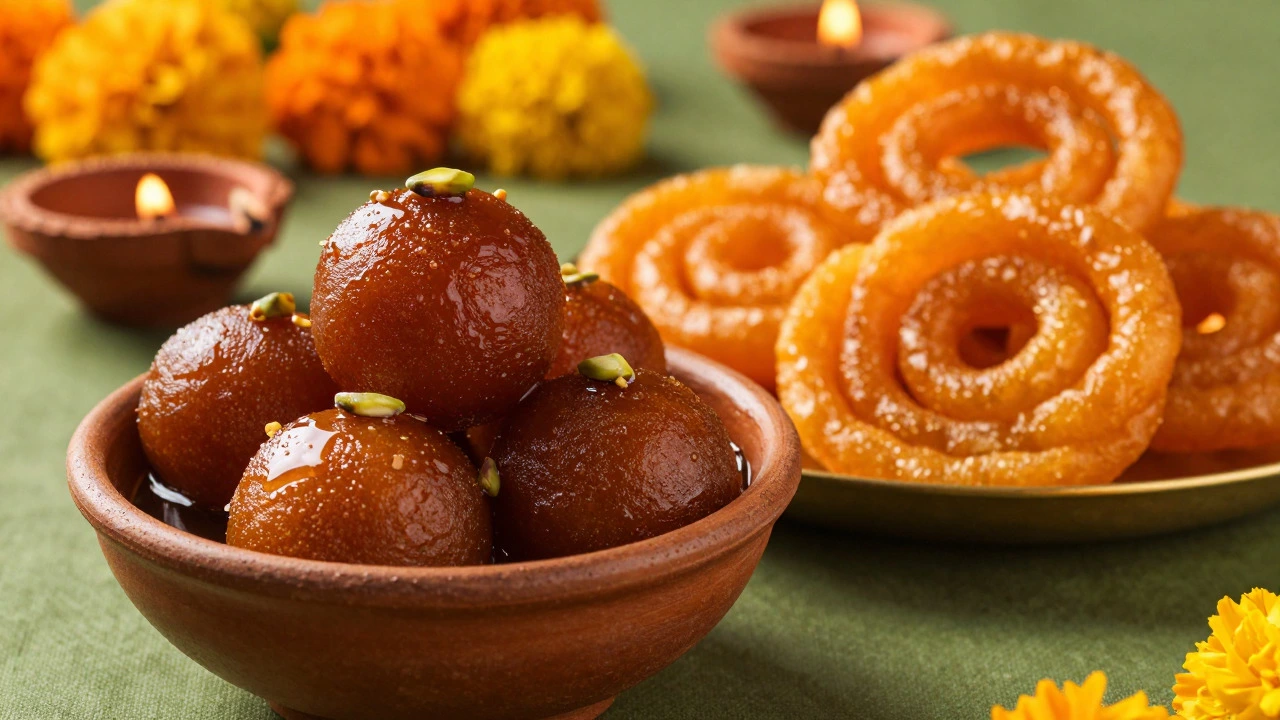
Everyday enjoymentIndia does not have a single, officially declared "national sweet" by law. You won't find it in the constitution alongside the national flag or anthem. However, if you ask any Indian family, street vendor, or grandmother across the country, the answer usually boils down to two heavyweights: Gulab Jamun is a deep-fried milk-solid dumpling soaked in rose-flavored sugar syrup, widely regarded as the unofficial king of Indian desserts. Close behind is the Jalebi, a crispy, spiral-shaped fried dough soaked in saffron-infused sugar syrup.
The question of "what is the national sweet" is less about legal designation and more about cultural dominance. It’s about which dessert appears at every wedding, Diwali celebration, and birthday party from Kashmir to Kerala. In this guide, we’ll explore why these specific sweets hold such power, how they differ regionally, and how you can make them at home without burning your kitchen down.
Why There Is No Official National Sweet
Unlike the national animal (the Bengal tiger) or the national fruit (the mango), the government of India has never legislated a national dessert. This isn’t an oversight; it’s a reflection of the country’s culinary diversity. India is a subcontinent with thousands of distinct regional cuisines. A sweet that defines a festival in Punjab might be unknown in Tamil Nadu.
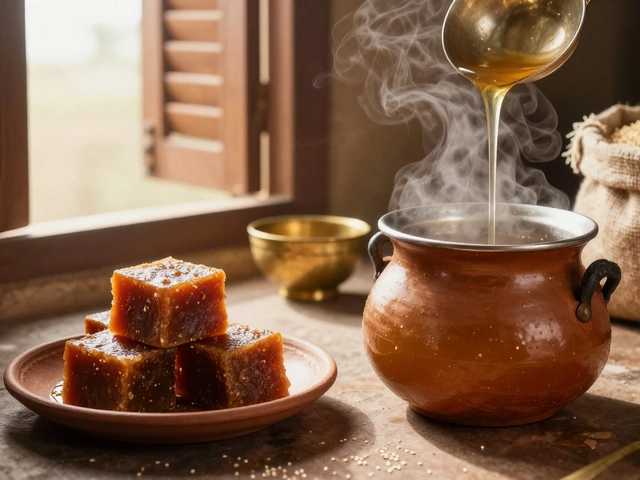
For example, while North Indians obsess over dairy-based sweets like Rasgulla (soft cottage cheese balls in syrup) and Gulab Jamun, South Indians prefer rice and lentil-based treats like Mysore Pak (dense ghee-laden gram flour bars) or Payasam (a rich pudding made with milk, rice, or vermicelli). To pick one "national" sweet would be to ignore half the population’s traditions. Instead, the title of "national sweet" is a colloquial honor bestowed upon those desserts that transcend regional boundaries.
The Unofficial Champions: Gulab Jamun vs. Jalebi
If we are talking about popularity, reach, and recognition, Gulab Jamun and Jalebi are the clear frontrunners. They are the first foods many non-Indians try when introduced to Indian cuisine. But they serve different roles in the cultural landscape.
| Feature | Gulab Jamun | Jalebi |
|---|---|---|
| Main Ingredient | Milk solids (Khoya/Mawa) or Milk Powder | Semolina (Suji) or Wheat Flour Batter |
| Texture | Soft, spongy, dense | Crispy exterior, soft interior |
| Syrup Flavor | Rose water, cardamom | Saffron, lemon juice, cardamom |
| Best Eaten | Room temperature or warm | Fresh and hot (within minutes) |
| Regional Origin | Debated (Uttar Pradesh/Bangladesh) | Persian influence, popularized in North India |
Gulab Jamun is the comfort food of India. It is messy, sticky, and intensely sweet. Its dark brown color comes from caramelization during frying, and its aroma is unmistakable. Jalebi, on the other hand, is the street food champion. You will find carts selling hot Jalebis wrapped in newspaper at bus stops, temples, and market entrances across the country. The contrast between the hot, crisp shell and the cold, tangy syrup is what makes it addictive.
Regional Heavyweights That Challenge the Title
While Gulab Jamun and Jalebi have the widest footprint, several other sweets claim the title within their own regions. Understanding these helps explain why a single "national" sweet is impossible to define.
- Rasgulla: Often called the "King of Sweets" in Eastern India (West Bengal and Odisha). Made from chenna (fresh cottage cheese) kneaded until smooth, then boiled in light sugar syrup. It is white, bouncy, and much lighter than Gulab Jamun. West Bengalis argue fiercely that Rasgulla is the true national sweet due to its historical roots.
- Gujarati Ladoo: In Gujarat, the round ball of sweetness made from besan (gram flour), ghee, and sugar is sacred. It is offered to deities and distributed during festivals. Its simplicity and vegetarian purity give it a strong cultural claim.
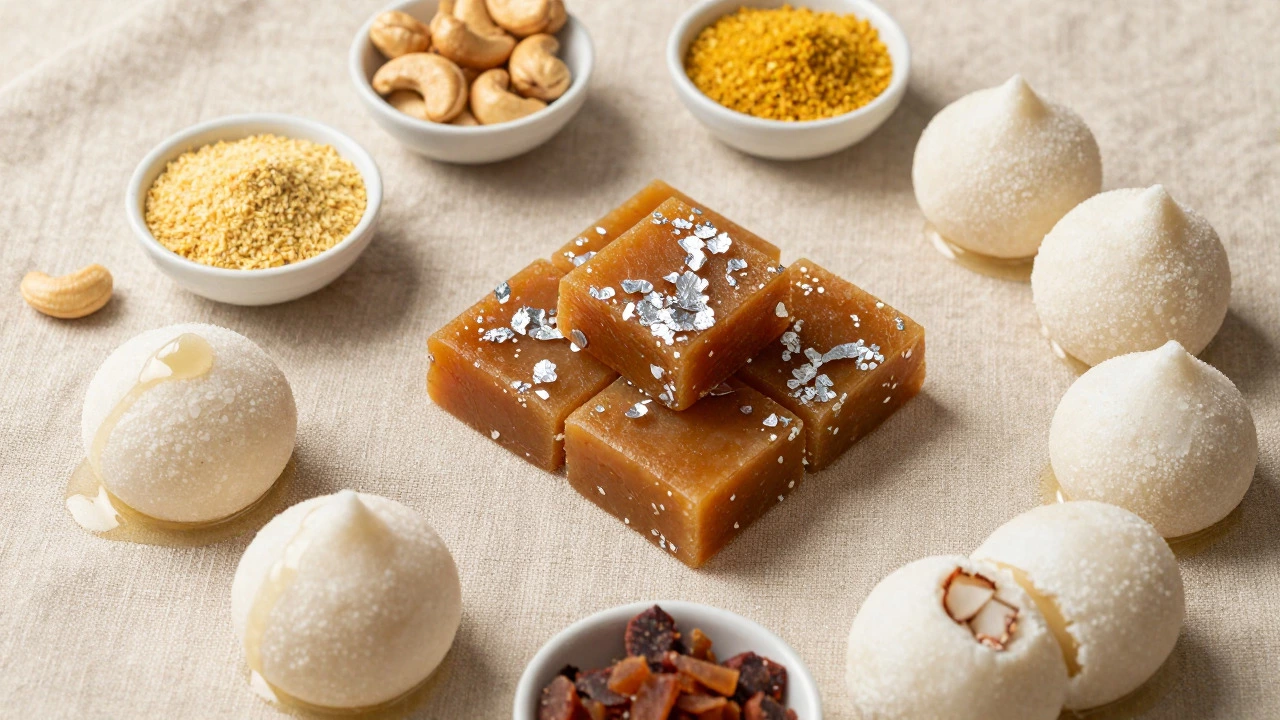
- Kaju Katli: From Rajasthan and Gujarat, this diamond-shaped fudge made from cashew paste is the most expensive and premium gift-giving sweet. During Diwali, Kaju Katli sales skyrocket because it is considered the status symbol of Indian sweets.
- Modak: In Maharashtra and Goa, Modak (steamed dumplings filled with coconut and jaggery) is the favorite offering to Lord Ganesha. Without Modak, Ganesh Chaturthi is incomplete. For millions of Marathi speakers, this is the definitive festive sweet.
How to Make Perfect Gulab Jamun at Home
Since Gulab Jamun is the closest thing to a national sweet, mastering it is essential for any home cook interested in Indian desserts. The biggest mistake people make is over-kneading the dough, which leads to hard, stone-like jamuns. Here is how to get the soft, spongy texture right.
Ingredients
- 1 cup Khoya (mawa) or 1 cup full-fat milk powder
- 1/4 cup all-purpose flour (maida)
- 1/4 tsp baking soda
- 2-3 tbsp milk (if using khoya) or water (if using milk powder)
- Oil or ghee for deep frying
- Syrup: 2 cups sugar, 1.5 cups water, 1 tsp rose water, 1/2 tsp cardamom powder
Step-by-Step Instructions
- Prepare the Syrup First: Combine sugar and water in a pan. Bring to a boil, then simmer for 10 minutes until slightly thickened. Add rose water and cardamom. Keep it warm aside. If the syrup is cold, the jamuns won’t absorb it well.
- Make the Dough: If using milk powder, mix it with flour and baking soda. Add water drop by drop to form a soft, pliable dough. Do not add too much water. If using khoya, grind it finely and mix with flour. Knead gently for just 2 minutes. Over-kneading develops gluten, making the jamun hard.
- Shape the Balls: Divide the dough into small, smooth balls. Ensure there are no cracks on the surface. Any crack will cause the ball to explode in hot oil.
- Fry on Low Heat: Heat oil in a deep pan. The oil should be warm, not smoking hot. Drop the balls in slowly. Fry on low-medium heat, turning constantly, until they turn deep golden brown. This takes time (8-10 minutes). Patience is key.
- Soak Immediately: Transfer the hot jamuns directly into the warm sugar syrup. Let them soak for at least 2 hours before serving. They swell up and become soft.
Common Mistakes to Avoid
Making Indian sweets requires precision. Here are the pitfalls that ruin even experienced cooks’ efforts:
- Hard Gulab Jamuns: Caused by over-kneading the dough or frying on high heat. High heat seals the outside before the inside cooks, leaving a raw center that hardens later.
- Dry Jalebis: Jalebi batter must rest for 4-6 hours to ferment slightly. If you fry it immediately, it becomes tough. Also, the syrup must be hot when you dip the fresh jalebis.
- Bitter Taste: Burning the sugar syrup creates a bitter aftertaste. Watch the syrup closely; it should be clear, not dark amber.
- Using Low-Fat Milk: Fat is flavor and texture. Using skim milk powder results in dry, crumbly sweets. Always use full-fat ingredients.
The Cultural Role of Sweets in India
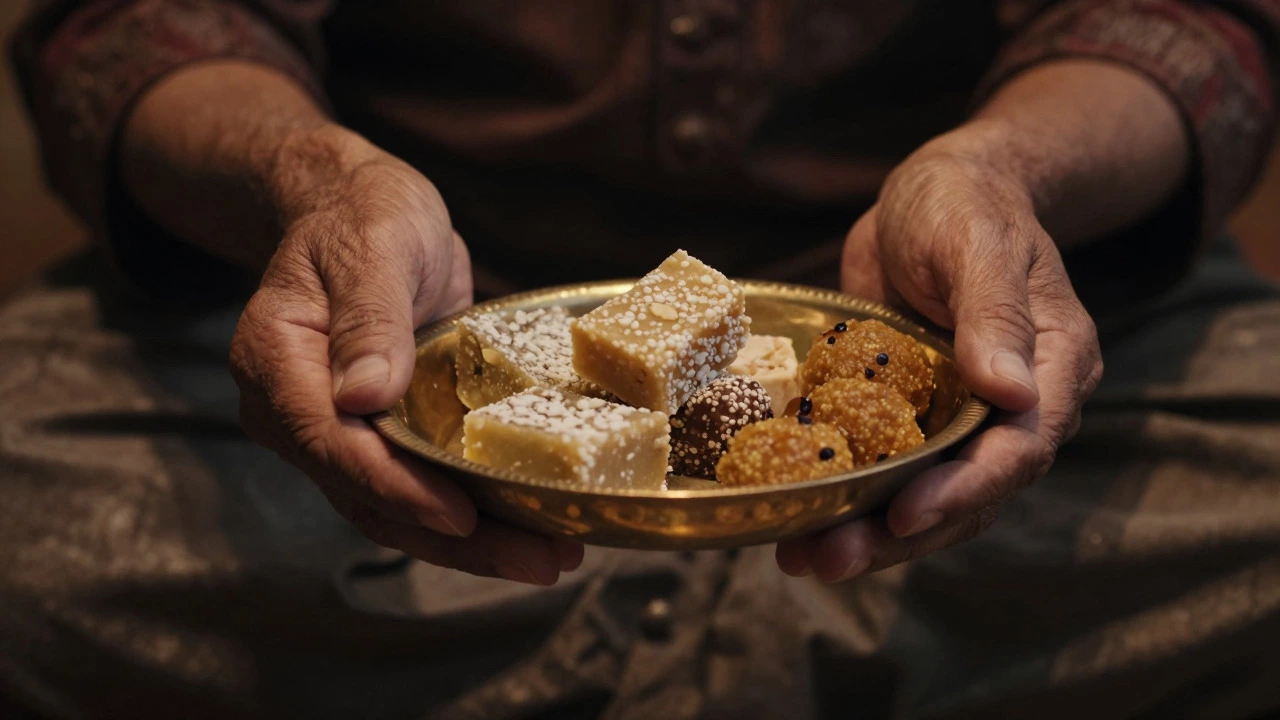
To understand why these sweets are so important, you need to look beyond taste. In Indian culture, sweets are a language of emotion. They are given to celebrate births, marriages, religious victories, and even to apologize after an argument. The phrase "Meetha khao" (eat something sweet) is a universal greeting of hospitality.
During festivals like Diwali (Festival of Lights) and Holi (Festival of Colors), sweets are exchanged in large quantities. Boxes of assorted sweets-containing Barfi, Ladoo, and Gujiya-are standard gifts for neighbors and relatives. This ritual strengthens community bonds. The act of sharing sweetness is believed to bring prosperity and happiness to both the giver and the receiver.
Healthier Alternatives for Modern Palates
Traditional Indian sweets are calorie-dense, loaded with refined sugar and ghee. For health-conscious individuals, there is a growing trend toward modified recipes. These alternatives maintain the cultural essence but reduce the glycemic impact.
- Jaggery instead of Sugar: Replace white sugar with organic jaggery (gur) in syrups. Jaggery retains minerals like iron and magnesium.
- Date Palm Sugar: Use date syrup for soaking fruits or making modaks. It has a lower glycemic index than refined sugar.
- Air-Frying: You can air-fry Gulab Jamun with a light spray of oil. The result is less greasy, though slightly less crispy than deep-fried versions.
- Nut-Based Sweets: Almonds, cashews, and pistachios provide healthy fats. Making almond barfi with stevia or monk fruit sweetener is a popular keto-friendly option.
Conclusion: Embrace the Diversity
While Gulab Jamun may wear the crown of the "national sweet" in terms of global recognition and widespread availability, the true answer is that India’s national sweet is whatever brings your family together. Whether it’s the spongy richness of Gulab Jamun, the crispy snap of Jalebi, or the divine offering of Modak, these desserts are edible history. They carry centuries of tradition, regional pride, and communal joy. Next time you bite into one, remember you’re not just eating sugar and milk-you’re tasting culture.
Is Gulab Jamun the official national sweet of India?
No, India does not have an officially declared national sweet by law. Gulab Jamun is widely considered the unofficial national sweet due to its immense popularity across all regions and its presence at almost every celebration.
What is the difference between Gulab Jamun and Rasgulla?
Gulab Jamun is made from milk solids (khoya) or milk powder, deep-fried until dark brown, and soaked in thick rose syrup. Rasgulla is made from fresh cottage cheese (chenna), boiled in light sugar syrup, and remains white and spongy. Gulab Jamun is denser and sweeter; Rasgulla is lighter and tangier.
Why do my Gulab Jamuns turn out hard?
Hard Gulab Jamuns are usually caused by over-kneading the dough, which develops gluten, or frying them on high heat. High heat seals the exterior too quickly, preventing the inside from cooking properly. Always knead gently and fry on low-medium heat.
Can I make Jalebi without semolina (suji)?
Yes, traditional Jalebi can be made with wheat flour batter. However, semolina provides the characteristic crispness and spiral shape retention. Wheat flour Jalebis are softer and more cake-like. Some regional variations also use rice flour.
What is the most expensive Indian sweet?
Kaju Katli (cashew fudge) is often the most expensive common sweet due to the high cost of cashews. However, specialty sweets made with saffron, gold leaf, or rare nuts like almonds and pistachios can be even pricier. During festivals, premium boxes of assorted dry-fruit sweets command high prices.
Which sweet is best for Diwali?
Diwali sweets vary by region. In North India, Ladoos and Barfi are popular. In West Bengal, Rasgulla and Sandesh are staples. In South India, Mysore Pak and Payasam are traditional. Generally, a box containing a variety of sweets is the safest and most appreciated gift choice.
How long can I store Gulab Jamun?
Homemade Gulab Jamun can be stored in an airtight container in the refrigerator for up to 5-7 days. The syrup keeps them moist. For longer storage, you can freeze the unsoaked fried jamuns and soak them in fresh syrup when ready to eat.