Wash Dal: How to Clean, Soak, and Cook Lentils Right
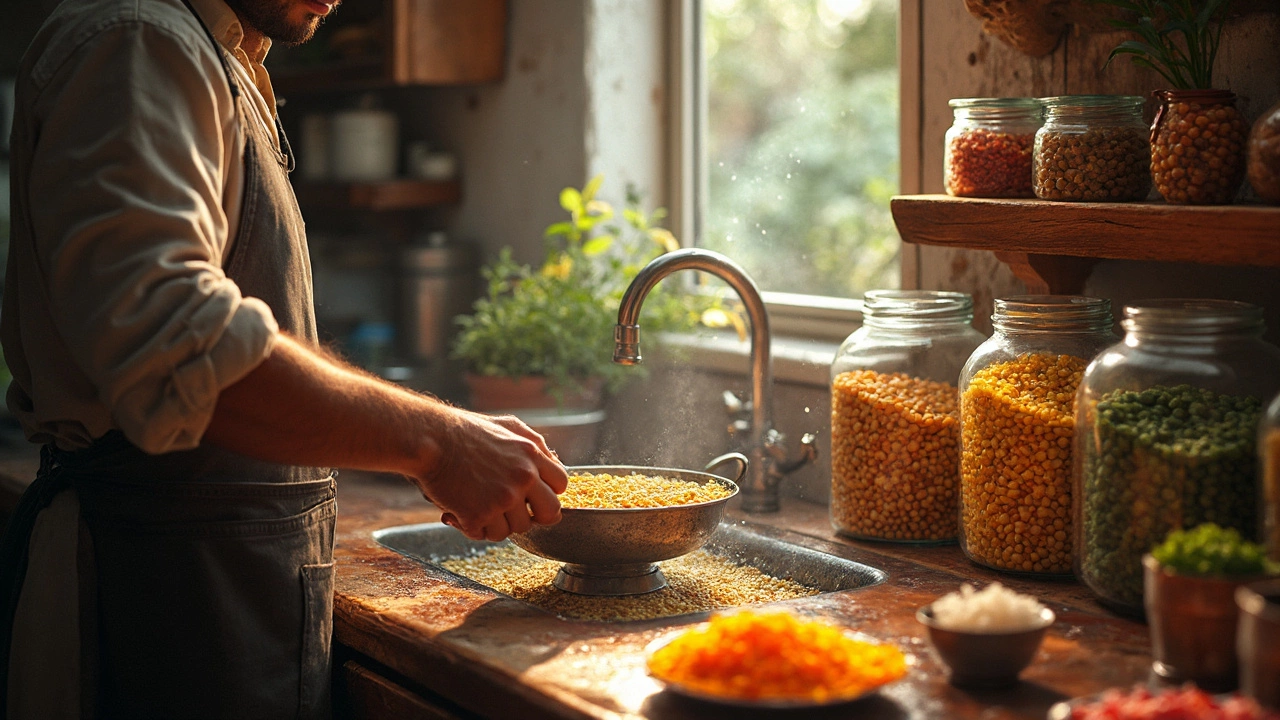
When you buy wash dal, the process of rinsing lentils before cooking to remove dust, debris, and excess starch. Also known as rinsing lentils, it's not just a suggestion—it’s the first step to avoiding gritty textures and digestive trouble. Most people skip it because they think dal is pre-cleaned. But even packaged lentils carry fine dust from harvesting and transport. If you don’t wash them, you’re eating grit—and that’s not how Indian kitchens work.
Washing dal isn’t just about cleanliness. It affects how fast it cooks, how creamy it gets, and even how well your body handles it. Unwashed dal can take twice as long to soften, leave a chalky taste, and cause bloating because of the surface starch that doesn’t break down properly. When you rinse it under cold water until the water runs clear, you’re removing that starch and activating the lentil’s natural cooking potential. This is why every Indian home cook starts with a bowl of water and a quick swirl—no fancy tools, just hands and patience.
What you do after washing matters just as much. soak dal, letting lentils sit in water before cooking to reduce cooking time and improve digestibility. Also known as pre-soaking lentils, this step is especially important for tougher varieties like chana dal or urad dal. Soaking isn’t optional if you want tender results without overcooking. A 30-minute soak cuts cooking time by nearly half and helps break down complex sugars that cause gas. Skip it, and you’ll end up with hard centers or mushy outsides—no one wants that.
And don’t confuse washing with soaking. Washing is quick—three rinses, drain, done. Soaking is a wait. You need to plan ahead. But if you do both, you get the best of both worlds: clean, soft, flavorful dal that doesn’t make you feel heavy after eating. This is the secret behind why dal tadka tastes so good in every Indian household—it starts with clean lentils and proper prep.
Some people think washing dal wastes water. But think about it: you’re not drowning a mountain of lentils. You’re using a couple of bowls, maybe a liter total. That’s less than one shower. And what you get in return? No grit in your teeth, no stomachaches, and lentils that cook evenly every time. That’s not waste—that’s smart cooking.
Behind every great bowl of dal is a simple truth: preparation beats perfection. You don’t need expensive spices or fancy pots. You just need to wash your dal, soak it right, and cook it with care. The rest? That’s where the magic happens.
Below, you’ll find real recipes and tips from Indian kitchens that show exactly how to handle different types of dal—from moong to masoor to toor. Whether you’re new to cooking or just tired of hard lentils, you’ll find the fix here.