Traditional Sweets: Authentic Indian Desserts Made Simple
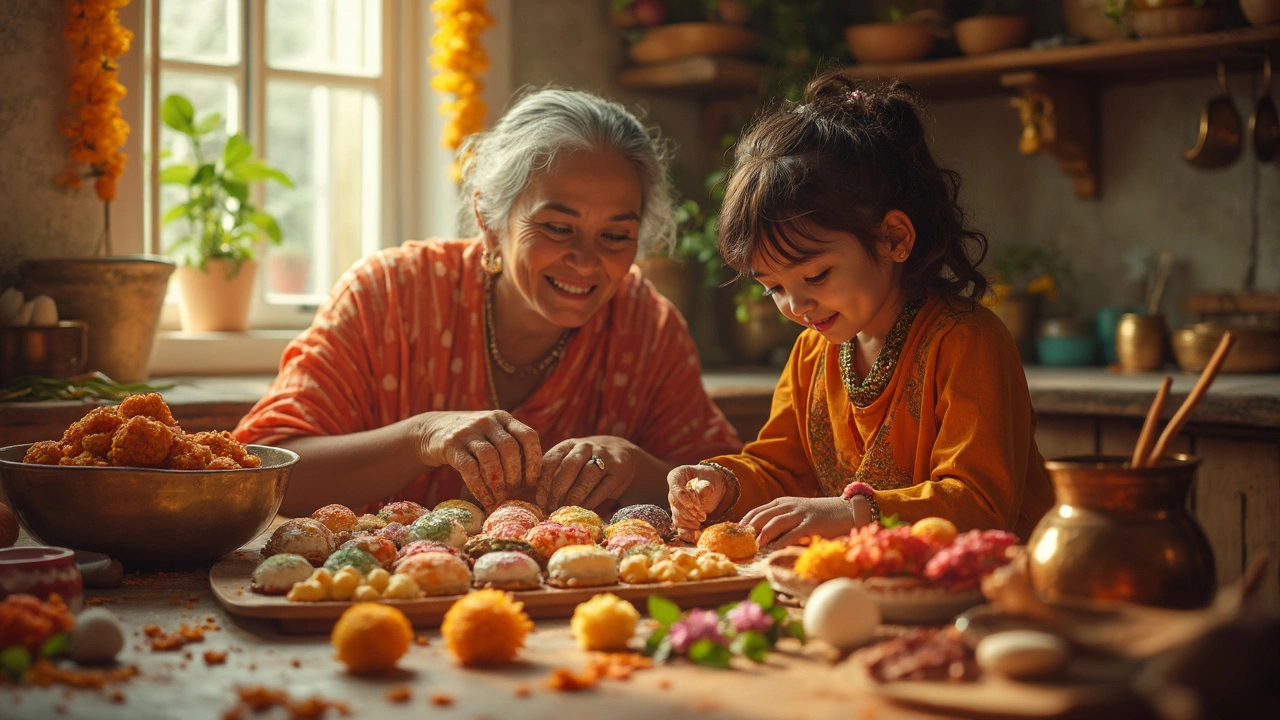
When you think of traditional sweets, sweet treats made with time-honored methods and regional ingredients, often tied to festivals and family rituals. Also known as Indian desserts, these treats aren’t just sugar—they’re culture, memory, and手艺 in every bite. Unlike Western candies or baked goods, Indian sweets rely on slow-cooked syrups, slow-fermented doughs, and natural sweeteners like jaggery, unrefined cane sugar with a deep, molasses-like flavor used in everything from ladoos to payasam instead of plain white sugar. You won’t find many of these sweets in a supermarket. They’re made in small batches, often by hand, using techniques passed down for generations.
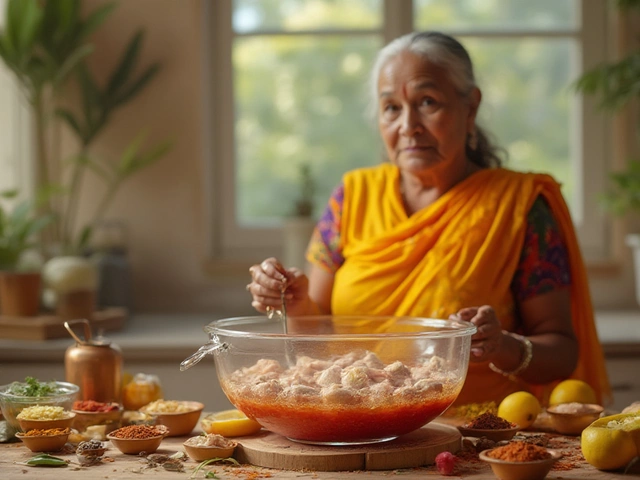
The secret behind their rich taste? It’s not just the sugar. It’s the sugar syrup, cooked to precise stages—thread, soft ball, or hard ball—to create textures from chewy to crumbly. In mysore pak, a famous sweet from Karnataka made with gram flour, ghee, and sugar syrup, the syrup must be boiled just right, or the whole thing turns gritty. In Bengal, rasgulla needs fresh chhena and boiling syrup to puff up perfectly. Skip the shortcuts, and you skip the soul of the sweet. Even the oil used for frying—like groundnut or coconut—adds a layer of flavor most recipes don’t mention.
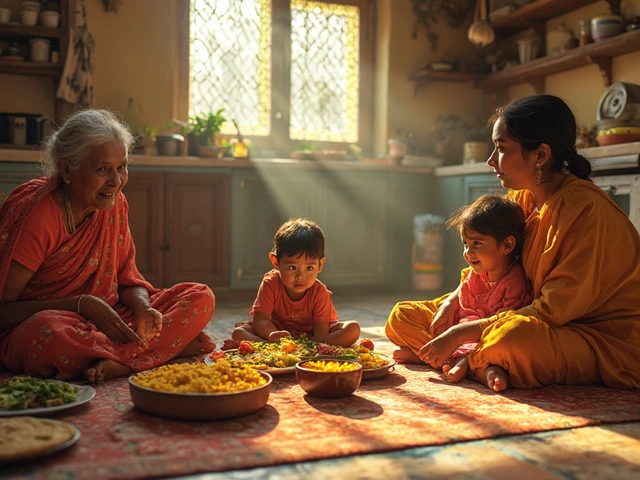
These sweets aren’t just for celebrations. They’re daily rituals in many homes, made with care and served with pride. Whether it’s a simple gulab jamun soaked in cardamom syrup or a dense barfi made with condensed milk and nuts, each one tells a story of region, season, and family. You won’t find these flavors in a box from the grocery aisle. They’re made with patience, tested by trial and error, and perfected over decades. Below, you’ll find real guides—no fluff, no filler—on how to get the sugar right, why jaggery beats white sugar in some sweets, and which recipes actually work without fancy equipment. These aren’t just recipes. They’re the keys to making sweets that taste like they came from your grandmother’s kitchen.