Tough Chicken: How to Fix and Cook It Right in Indian Cuisine
When you bite into tough chicken, chicken that resists easy chewing due to overcooking, poor cut, or wrong cooking method. Also known as rubbery chicken, it’s often the result of treating all chicken the same—whether it’s a delicate breast or a tough thigh meant for slow cooking. But here’s the truth: in Indian cooking, not all tough chicken is bad. Some of the most flavorful dishes—like tandoori chicken, chicken curry cooked for hours, or even village-style roasted birds—rely on texture that’s chewy, not soft. The goal isn’t always to make it tender. It’s to make it taste right.
So why does chicken turn tough in the first place? Most people overcook it, especially chicken breast. But in Indian kitchens, the real issue is skipping the yogurt marinade, a mixture of yogurt, spices, and acid that breaks down proteins and locks in moisture before cooking. Also known as curd marinade, it’s not just flavor—it’s a tenderizing tool. Without it, even fresh chicken can turn dry and hard, especially under high heat like in a tandoor or on a grill. And if you rinse off that marinade before cooking? You’re washing away the key to juiciness. Then there’s the cut. Chicken thighs and drumsticks have more connective tissue. That’s why they’re used in slow-cooked curries—they break down into fall-apart goodness. But if you use them in a quick stir-fry? You’ll get chewy, unappetizing meat. The same goes for bone-in pieces. They take longer to cook, but they hold moisture better than boneless breasts. Knowing which part to use for which dish isn’t optional—it’s the difference between good and great Indian chicken.
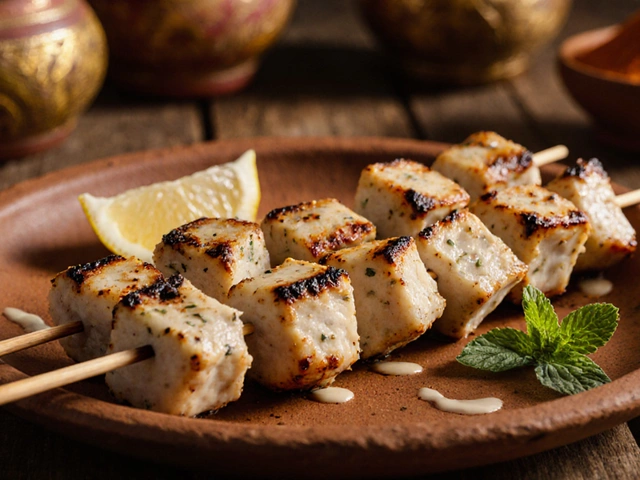
And don’t forget the heat. Indian cooking often uses high, direct heat—charcoal grills, clay ovens, or searing pans. That’s great for flavor, but it’s brutal on chicken if you don’t prep right. A well-marinated thigh can handle 400°F without drying out. A boneless breast? It’ll turn to leather in minutes. That’s why recipes like tandoori chicken, a dish where chicken is marinated in yogurt and spices, then cooked in a clay oven until charred and juicy. Also known as tandoori-style chicken, it’s a classic example of how toughness can be controlled, not avoided. The blackened outside? That’s caramelized spice, not burnt meat. The inside? Still moist because the marinade protected it. If your chicken is tough, it’s not the recipe’s fault. It’s the method. You need to match the cut, the marinade, and the heat. There’s no one-size-fits-all fix. But once you understand the rules, you’ll never have to throw out chicken again.
Below, you’ll find real posts from home cooks and chefs who’ve cracked the code on chicken that’s flavorful, not frustrating. Whether you’re dealing with dry tandoori chicken, rubbery tikka, or a curry where the meat won’t budge, there’s a fix here. No fluff. No guesswork. Just what works in Indian kitchens.