Tandoori Chicken: The Smoky, Spiced Indian Classic Explained
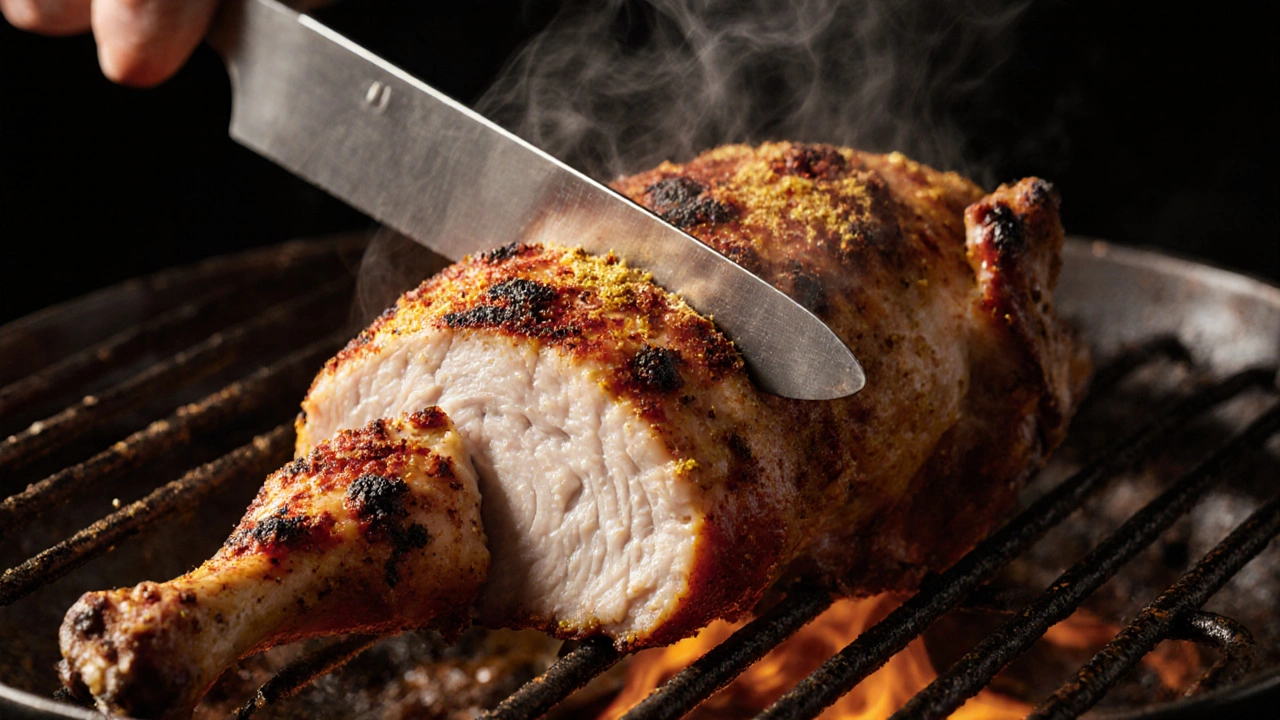
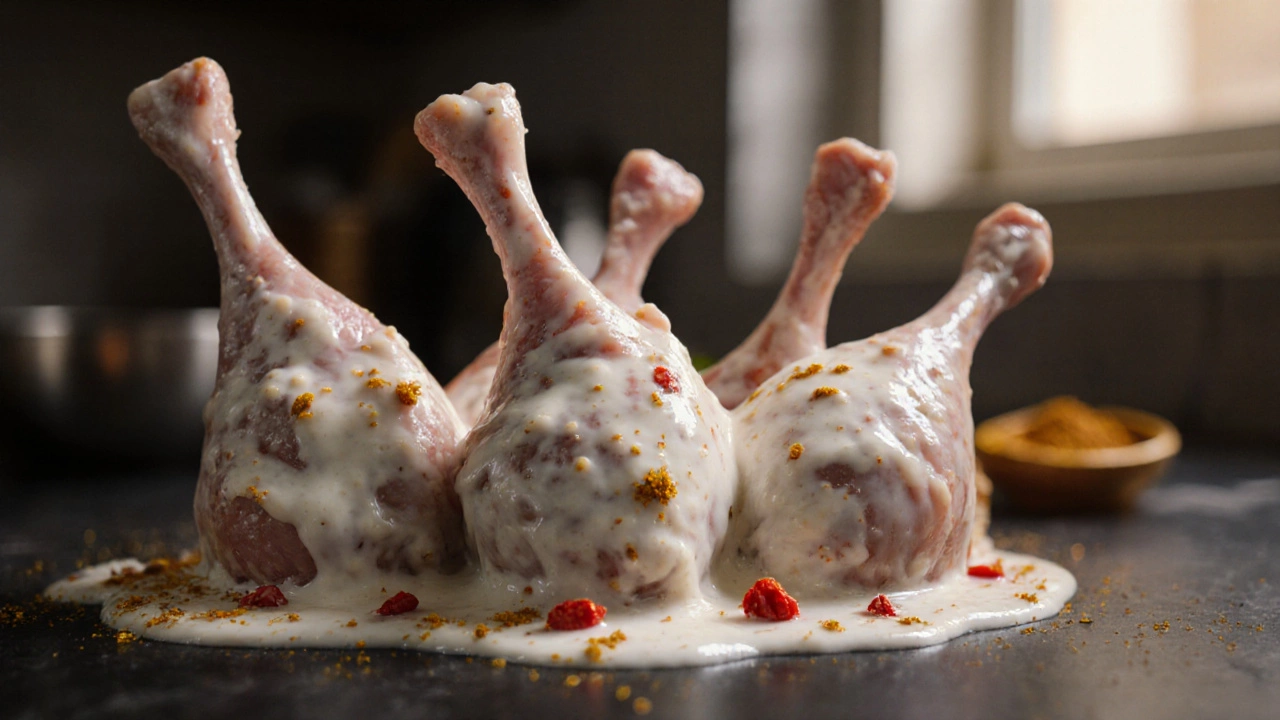
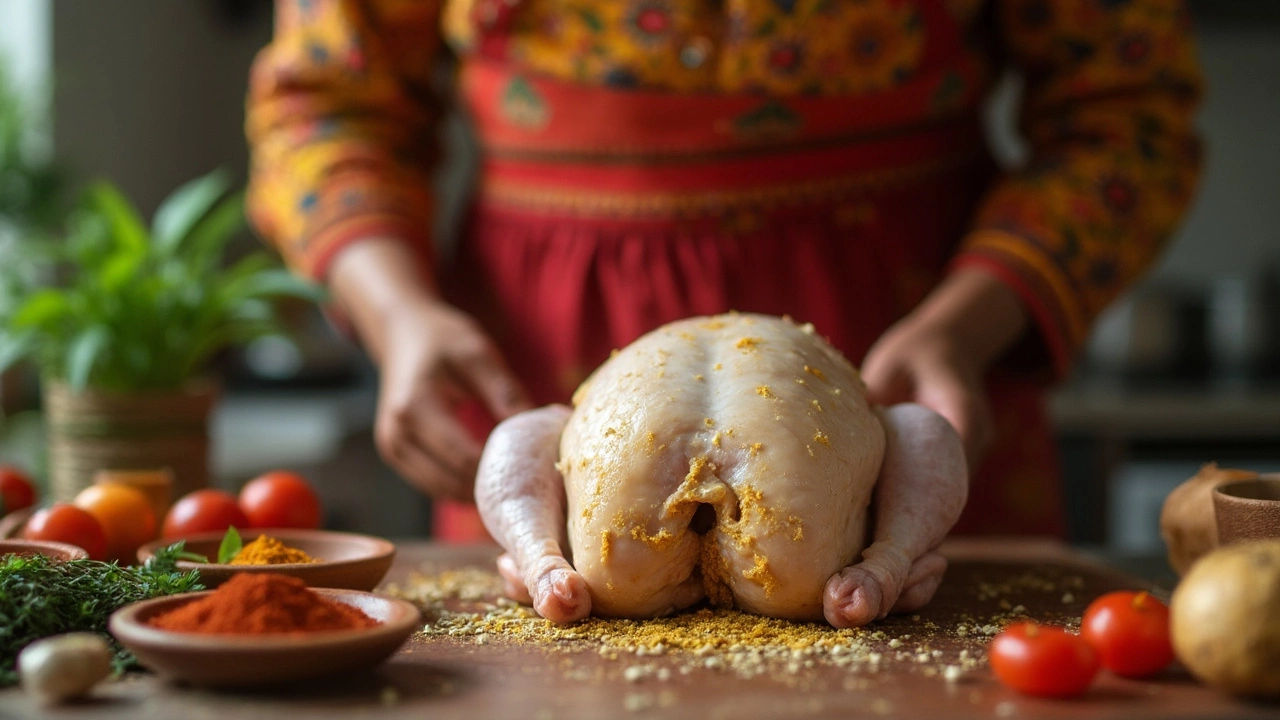
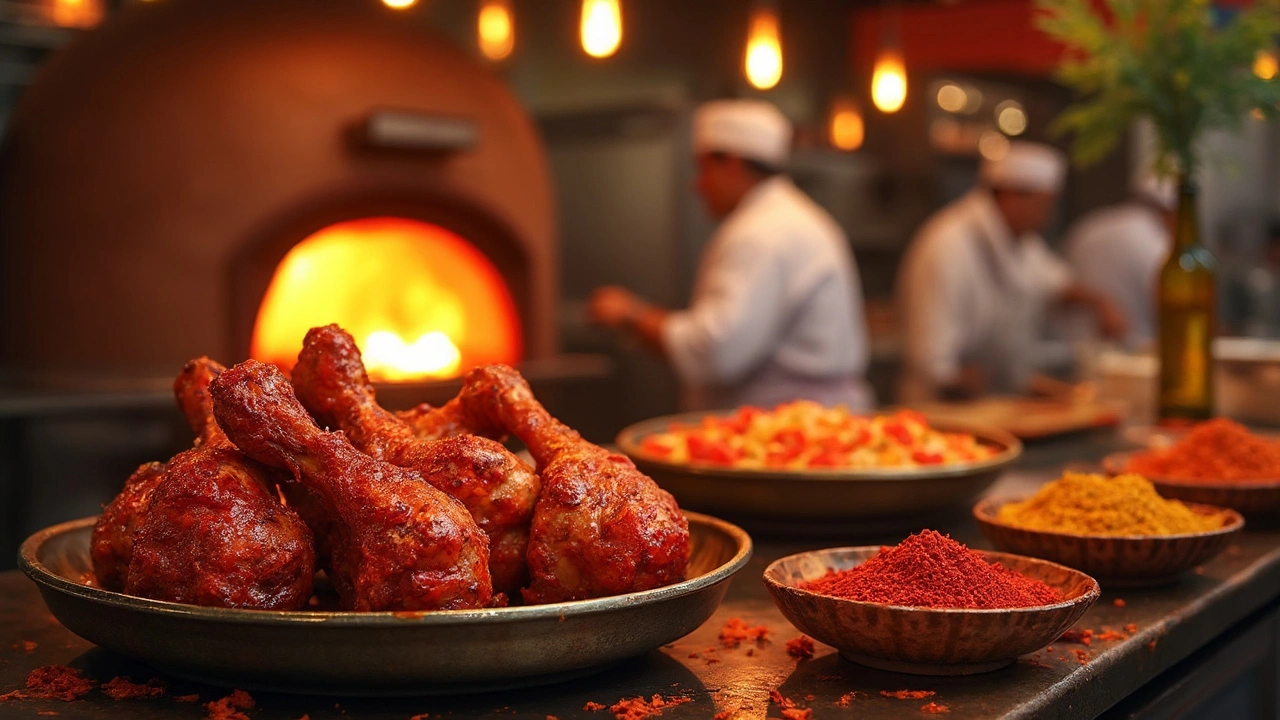
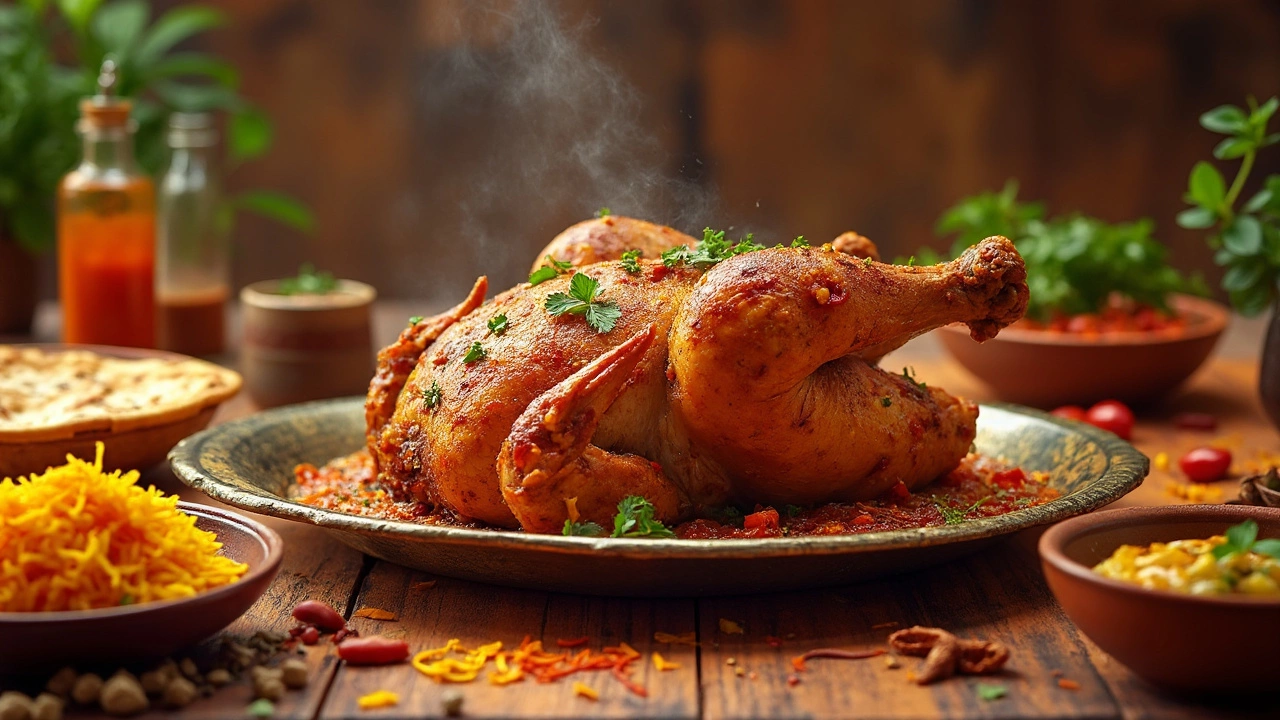
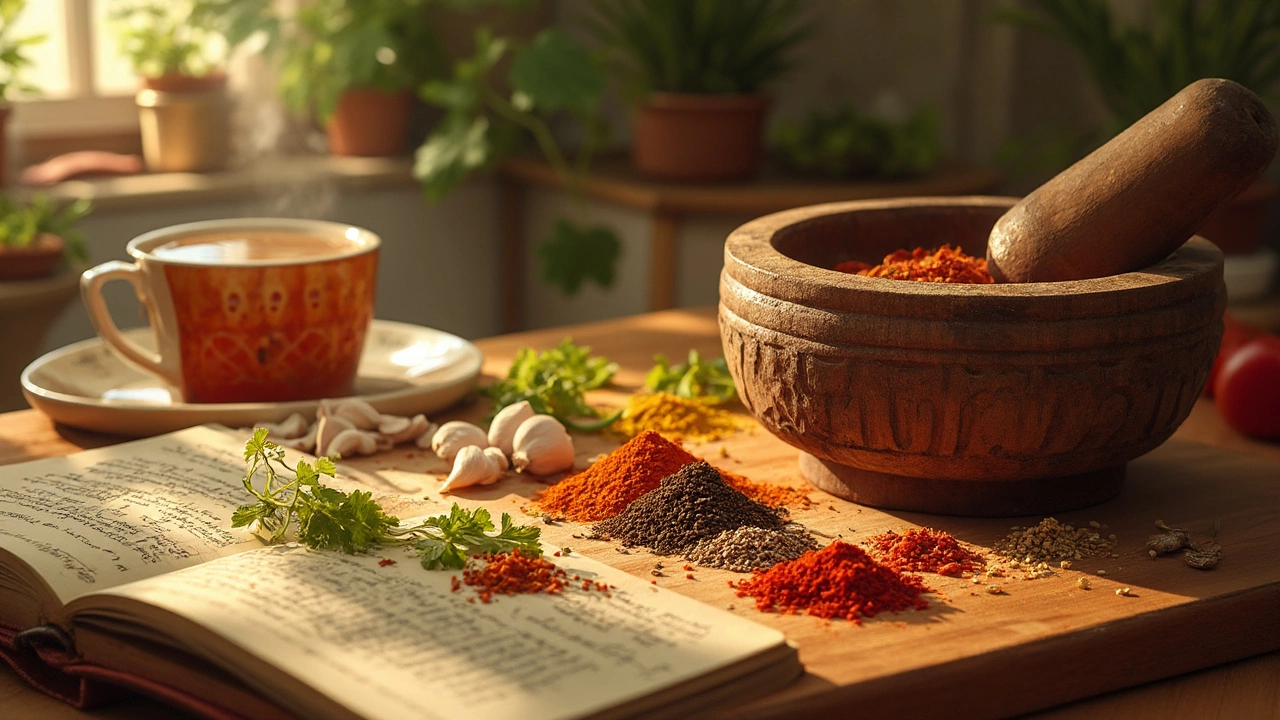
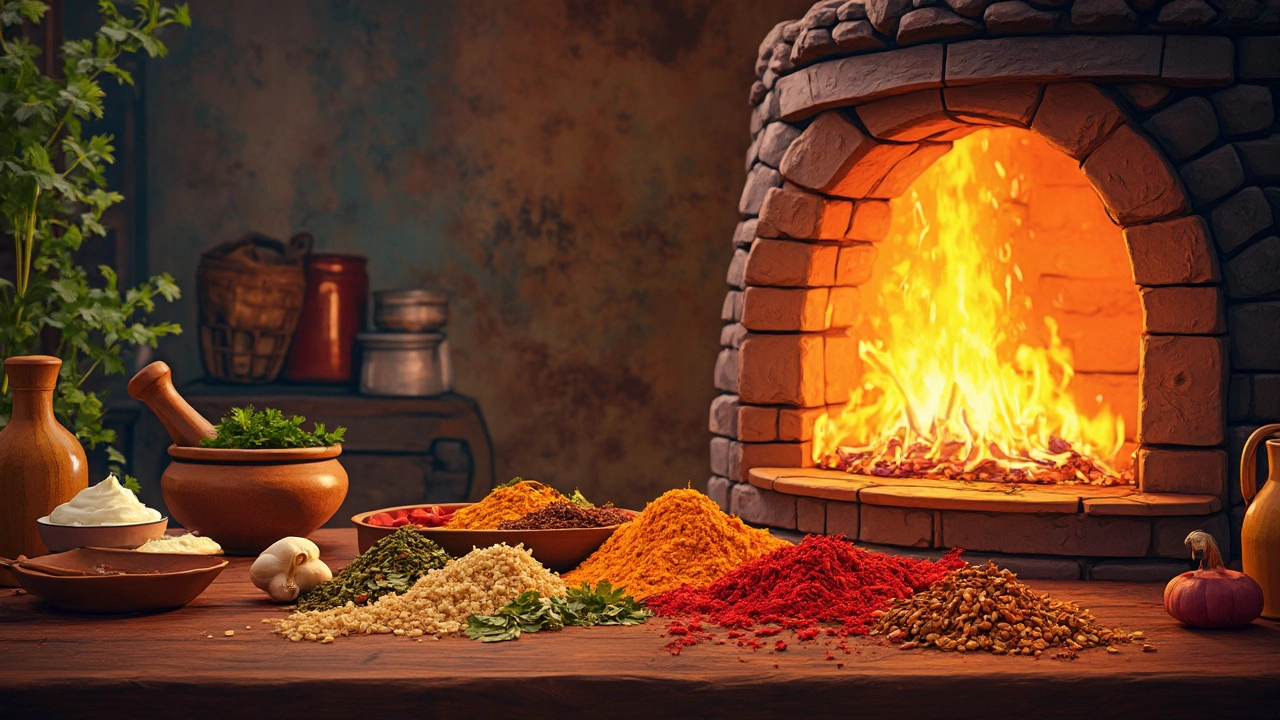
When you think of tandoori chicken, a vibrant red, smoky, grilled chicken dish from India, often cooked in a clay oven called a tandoor. Also known as tandoori murgh, it's one of the most recognizable Indian dishes worldwide—not because it’s complicated, but because it’s perfectly balanced: tangy, spicy, and charred just right. This isn’t just grilled chicken with red food coloring. The magic starts with a marinade of yogurt, lemon juice, garlic, ginger, and a blend of spices like cumin, coriander, garam masala, and Kashmiri red chili. The yogurt doesn’t just add flavor—it tenderizes the meat, letting the spices sink deep without turning the chicken dry.
The tandoor oven, a cylindrical clay oven heated with charcoal or wood, reaching temperatures over 480°C. Also known as clay oven, it’s the heart of North Indian cooking and what gives tandoori chicken its signature char and smokiness. Most home cooks don’t have one, but that doesn’t mean you can’t get close. A hot grill, broiler, or even a cast-iron skillet can mimic the effect if you preheat it well and keep the heat high. The key is direct, intense heat that sears the outside fast while keeping the inside juicy. Without that, you’re just eating spiced chicken—no tandoori magic.
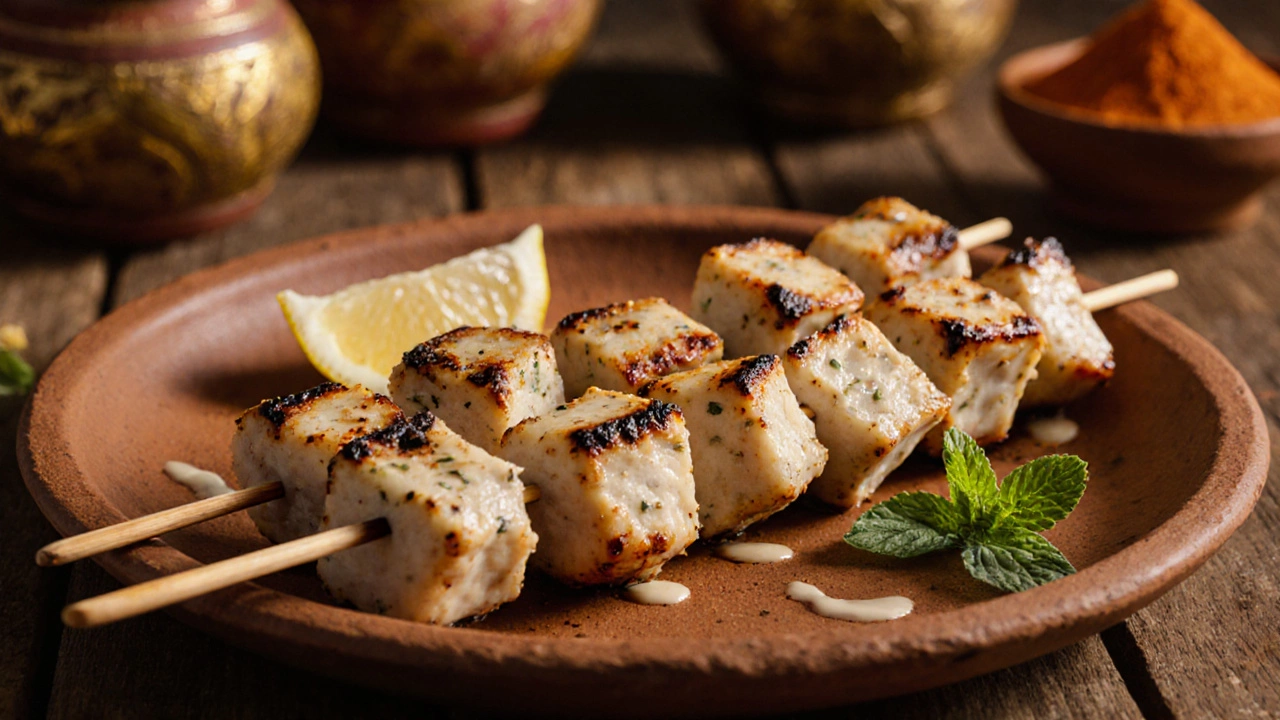
What makes tandoori chicken different from other Indian chicken dishes? It’s not drowned in sauce. Unlike butter chicken or tikka masala, which rely on creamy gravies, tandoori chicken stands alone—dry, smoky, and full of texture. It’s often served with onions, lemon wedges, and mint chutney, letting the spice and char speak for themselves. You’ll find it in homes across Punjab, Delhi, and Uttar Pradesh, and it’s a staple at weddings, festivals, and street stalls alike. It’s also the base for other dishes like chicken tikka, which is essentially tandoori chicken cut into pieces and skewered.
And yes, the bright red color? That’s not artificial dye. Traditional recipes use Kashmiri chili powder, which gives color without overwhelming heat. Some modern versions add tomato paste or beetroot juice for vibrancy, but purists stick to spice. The marinade usually sits overnight—this isn’t a 15-minute prep dish. The longer it soaks, the deeper the flavor and the more tender the meat becomes. Skip the marinating, and you’re missing half the point.
There’s a reason tandoori chicken shows up on menus from Mumbai to Manchester. It’s simple in concept but layered in flavor. It’s the kind of dish that makes you want to try other Indian grilled foods—tandoori vegetables, paneer tikka, even tandoori fish. And once you make it at home, you’ll realize it’s not as intimidating as it looks. You don’t need fancy tools. Just good spices, patience, and a hot cooking surface.
Below, you’ll find real recipes, tips for getting that perfect char, and how to fix common mistakes—like dry chicken or bland spice. Whether you’re new to Indian cooking or just want to nail this classic, the posts here will show you how to make tandoori chicken that tastes like it came straight from a Delhi tandoor.