Serving Size in Indian Cooking: How Much to Serve for Authentic Meals
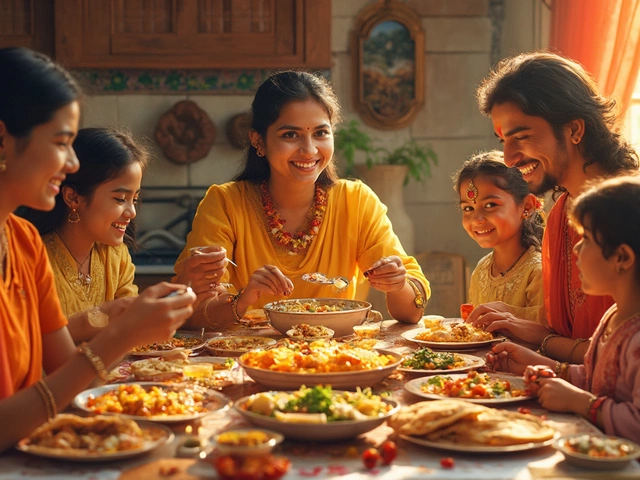
When you think about serving size, the amount of food portioned out for one person in a traditional Indian meal. Also known as Indian portion sizes, it’s not about calories or grams—it’s about balance, hunger, and culture. In Indian homes, a serving isn’t measured with scales or cups. It’s shaped by generations of eating habits: a fist-sized ball of rice, two rotis folded in half, a palm-sized piece of paneer, and a spoonful of dal that barely covers the bottom of the plate. This isn’t starvation—it’s how food was meant to be eaten.
Indian meals are built around dal, a simple lentil stew that’s the foundation of most daily meals, and the serving size for dal is never generous. One small bowl—about half a cup—is enough because it’s meant to mix with rice or roti, not dominate the plate. Too much dal turns a meal into soup. Similarly, biryani, a layered rice dish with meat or vegetables, is served in modest portions—usually one cup per person—because it’s rich, spiced, and meant to be shared with raita, salad, and pickles. Overloading the plate ruins the rhythm of the meal.
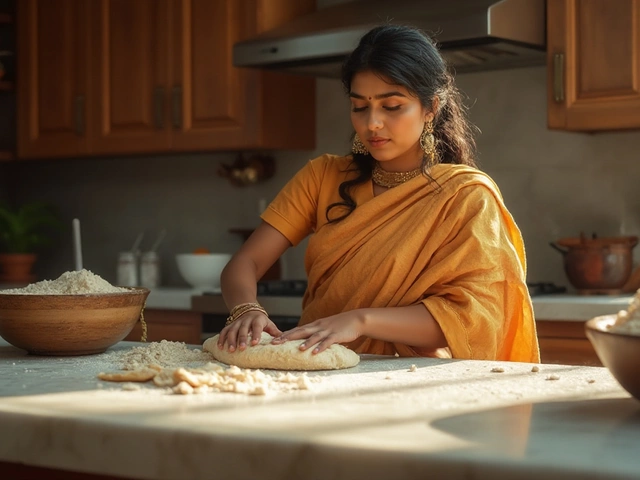
Roti, the everyday bread, isn’t served by the loaf. Two medium-sized rotis per person is standard—even for hungry adults. Why? Because they’re eaten with your hands, torn, and used to scoop up curries, chutneys, and vegetables. One roti isn’t enough. Three is too many. Two is just right. This isn’t diet advice—it’s tradition. And it works. Indian families have fed themselves this way for centuries without counting calories or tracking macros.
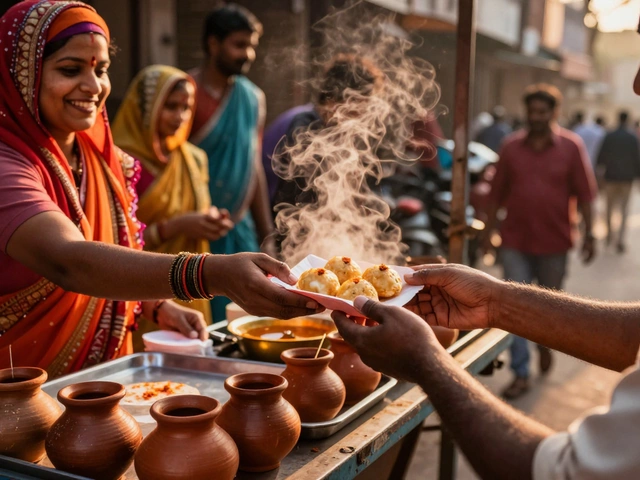
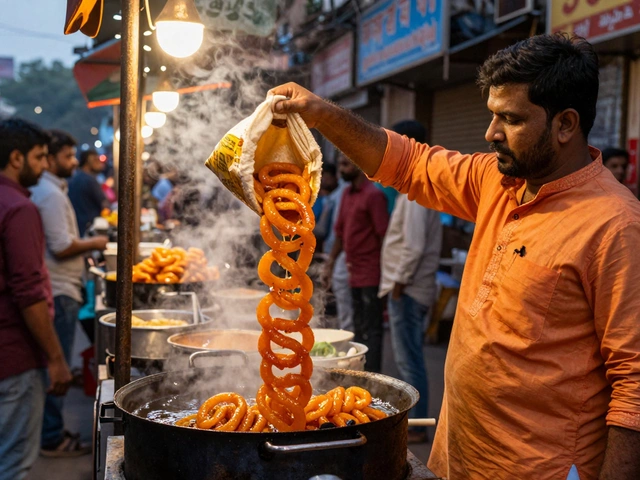
Even snacks like dosa or pani puri follow this rule. One dosa is a meal. Six pani puris are enough for a snack. You don’t need to eat until you’re full—you eat until you’re satisfied. That’s the Indian way. The serving size isn’t about how much you can fit on a plate. It’s about how much you need to feel nourished, not stuffed.
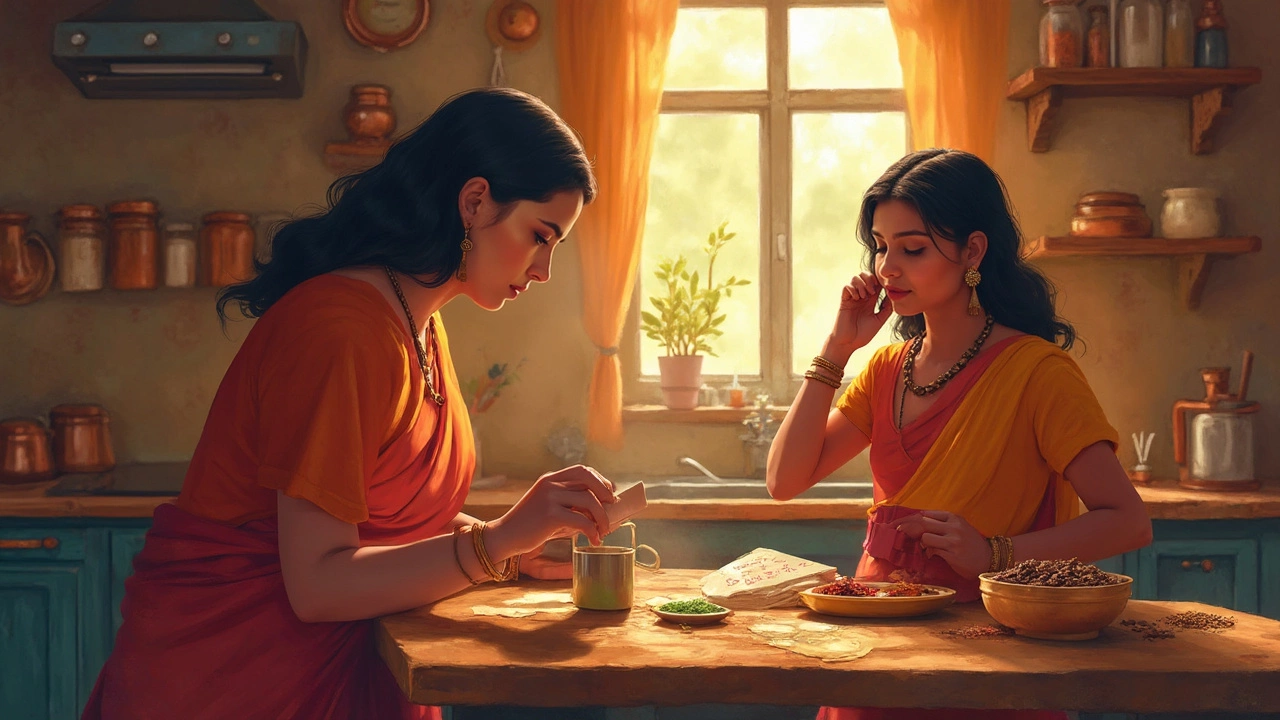
When you cook Indian food at home, don’t copy restaurant portions. Restaurants serve big to impress. Homes serve small to last. A single pot of dal feeds four people for two meals. A kilo of rice lasts a week for a family of three. That’s efficiency. That’s wisdom. And that’s why knowing the right serving size matters—it keeps your food authentic, your budget sane, and your meals balanced.
Below, you’ll find real recipes and tips from Indian kitchens that show exactly how much to make and serve. No fluff. No guesswork. Just the numbers, shapes, and habits that keep Indian meals tasting right—and lasting longer.