Seasoning Differences in Indian Cooking: Why Spices Work Differently Across Dishes
When you think of seasoning differences, how Indian cooks adjust spice blends, timing, and heat to create distinct flavors in every region and dish. Also known as Indian spice profiling, it's not about using more spices—it's about using them right. Many assume Indian food means heavy curry, but that’s like saying all pizza is pepperoni. The truth? A tikka masala, a creamy, tomato-based sauce with roasted spices and yogurt tastes nothing like a dal tadka, a simple lentil stew finished with sizzled cumin and mustard seeds. One is rich and layered; the other is earthy and bright. They’re both Indian, but their seasoning paths are completely different.
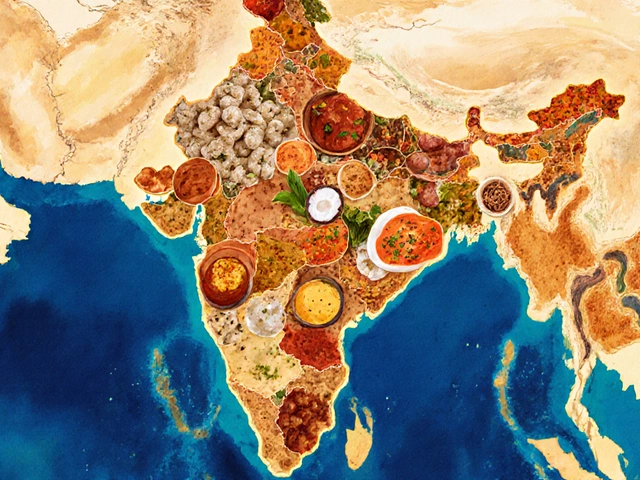
Why? Because Indian seasoning isn’t a formula—it’s a conversation between ingredient, technique, and region. In the north, yogurt and cream mellow bold spices like garam masala for dishes like butter chicken. In the south, mustard seeds, curry leaves, and dried red chilies explode in hot oil at the start, building a sharp, aromatic base for sambar or rasam. In the west, coconut and tamarind bring sweet-sour balance to dishes like sol kadhi, while in the east, panch phoron—a mix of five whole seeds—adds quiet complexity to lentils and vegetables. These aren’t random choices. They’re traditions shaped by climate, soil, and history. A spice that’s the star in one dish might be a supporting note in another. And that’s why you can’t swap seasoning methods between a tandoori chicken, marinated in yogurt and charred in a clay oven and a dosa, a fermented rice crepe fried with groundnut oil. One needs slow, deep penetration; the other needs quick, surface-level punch.
Even something as simple as salt behaves differently. In pickles, it’s a preservative and flavor anchor. In chutneys, it’s a sharp accent. In biryani, it’s layered into rice and meat for slow infusion. The same goes for turmeric—it’s not just color. In some regions, it’s used raw for its earthy bite; in others, it’s bloomed in oil to mellow out. That’s the real secret: Indian seasoning isn’t about following a recipe. It’s about understanding the role each spice plays in its context. This collection of posts breaks down exactly those choices—why some dishes use whole spices, others ground; why some rely on fresh ginger, others on dried fenugreek; why you never rinse yogurt off tandoori chicken, but you always soak your dal. You’ll find the real reasons behind the flavors you love, and the ones you’ve never tried. No fluff. Just clear, practical insights that help you cook Indian food the way it’s meant to be cooked—by understanding the why, not just the how.