Safe to Eat Apples: What Indian Food Culture Says About Fruit Safety
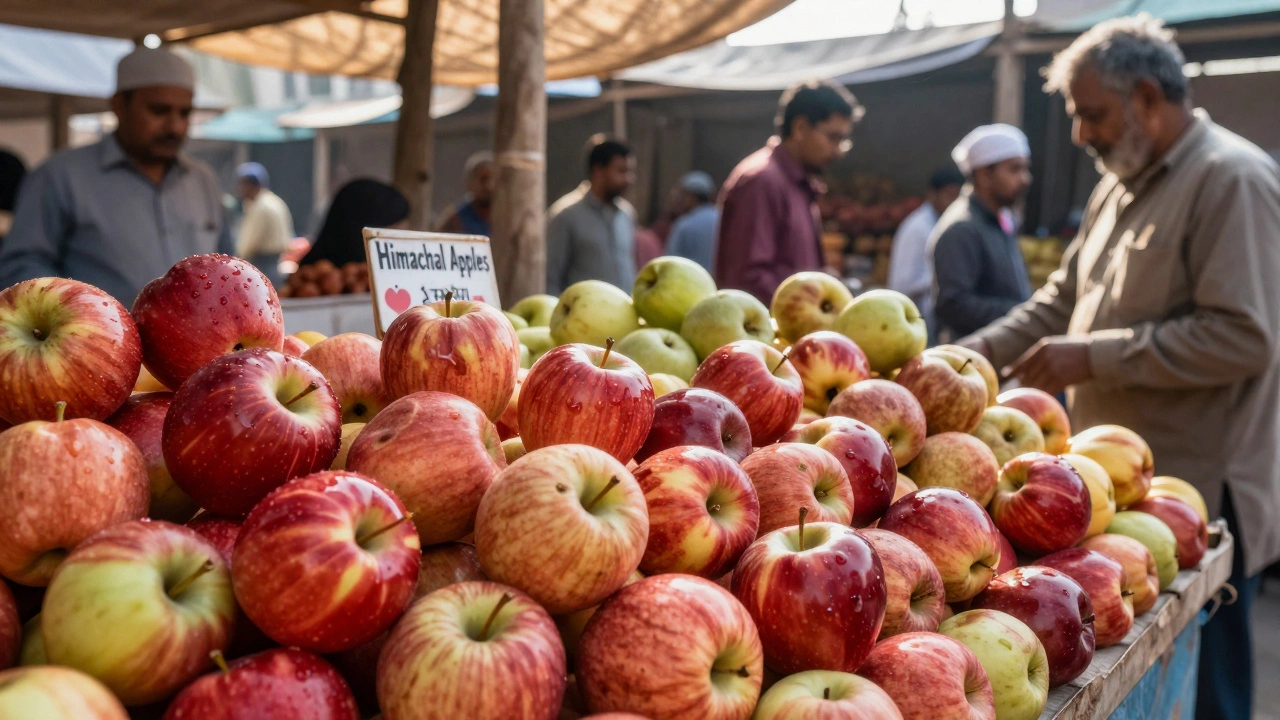
When it comes to safe to eat apples, whether an apple is safe depends on how it’s grown, cleaned, and stored—not just where it comes from. Also known as apple food safety, this topic matters more in India than you might think, where fruit stands often lack refrigeration and washing stations are rare. Many people assume imported apples are cleaner, but local varieties like Royal Delicious or Shimla Apples are just as safe—if handled right.
Indian households have their own ways of dealing with fruit safety. You won’t find many people peeling apples unless they’re giving them to kids. Instead, they scrub them under running water with a bit of salt or baking soda, then rinse. This isn’t just tradition—it’s practical. Studies on pesticide residue in Indian-grown apples show that a good wash removes over 90% of surface contaminants. The real risk isn’t the apple itself, but what’s on it: dust, insecticides, or even dirty hands from vendors. That’s why fruit washing methods, the simple act of rinsing produce under clean water with gentle scrubbing is more important than buying organic in many cases.
What about wax? Some apples in India are coated with food-grade wax to keep them fresh longer. It’s legal, safe, and used in both local and imported fruit. The only time it becomes a problem is when people confuse it with plastic or chemical coatings. A quick rub with a cloth or rinse under warm water removes it easily. Don’t fall for myths that say you need special cleaners—soap isn’t meant for food and can leave harmful residues. Stick to water, salt, or vinegar. These are the same tools used in Indian kitchens for cleaning everything from leafy greens to lentils.
There’s also the seasonal angle. Apples in India are mostly harvested between September and February. Outside that window, you’re likely getting imported fruit that’s been stored longer and may have more preservatives. But that doesn’t mean it’s unsafe. It just means you should be extra careful with washing. Compare this to how Indian kitchens handle mangoes or guavas—same rules apply. Clean before eating. No exceptions.
If you’re worried about pesticides, look for apples with slight blemishes or uneven color. These are often less chemically treated. Perfect, shiny apples? They’re more likely sprayed. It’s the opposite of what supermarkets push, but it’s true. And if you’re buying from a local market, ask the vendor when the apples arrived. Fresh is always better. This is the same logic behind why food safety tips, simple, everyday practices that prevent illness from raw produce work so well in Indian homes—because they’re based on experience, not marketing.
You’ll notice that none of the recipes on this site tell you to peel apples. Why? Because peeling wastes fiber and nutrients. The skin holds most of the antioxidants. So if you’re eating apples in India, you’re not just eating fruit—you’re following a long-standing food wisdom that says: clean well, eat whole, and trust your senses. If it looks moldy, smells off, or feels slimy, don’t eat it. That’s not complicated. That’s common sense.
Below, you’ll find real questions from Indian kitchens about food safety, from how to clean tandoori chicken to whether yogurt marinades need rinsing. The same logic applies to apples: simple steps, no magic solutions, and a lot of common sense. If you’ve ever wondered if your apple is safe to eat, the answer isn’t in the label—it’s in your hands.