Red Color in Indian Food: Why It Matters and What It Means
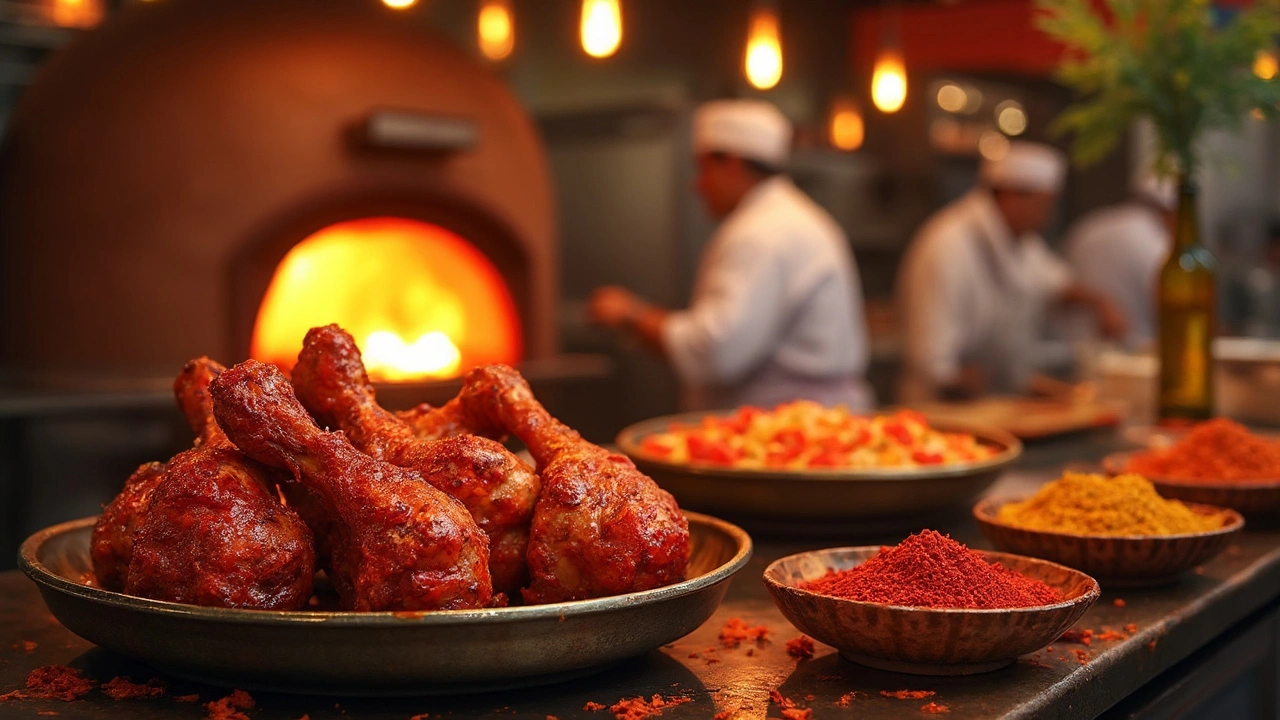
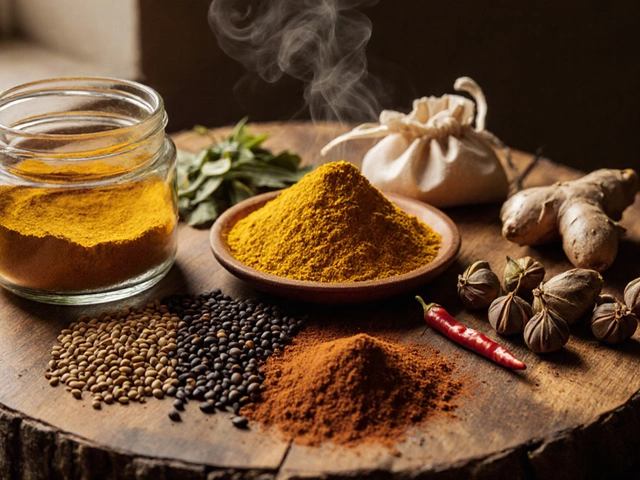
When you see a dish with a deep red color, a vivid hue often tied to spice, heat, and cultural identity in Indian cooking, you’re not just seeing a pigment—you’re seeing centuries of technique. This red isn’t random. It’s the result of red chili powder, the most common natural source of red in Indian kitchens, made from dried, ground chilies, or tandoori marinades, a mix of yogurt, spices, and sometimes beetroot or Kashmiri chili that turns meat ruby-red when grilled. In Indian food, red doesn’t mean sweet—it means bold, spicy, and often smoky.
Why does this matter? Because the red in your butter chicken or tandoori chicken isn’t dye—it’s chemistry. The heat from chilies releases capsaicin, which also deepens color. The yogurt in tandoori marinades reacts with high heat to caramelize spices into a charred red crust, not burn. Even Kashmiri chili, a mild but intensely colored chili used in North Indian cooking, adds red without overwhelming heat. This is why you’ll never find red food coloring in traditional Indian recipes. The color comes from the ingredients themselves, and that’s the point. It tells you the dish was made with care, not shortcuts.
Look at the posts below. You’ll find explanations for why tandoori chicken turns black inside (it’s caramelized spice, not burnt), why some dishes stay bright red without artificial help, and how the right oil or spice blend can make your food look as good as it tastes. Whether you’re wondering if your roti should be red (it shouldn’t) or why your biryani looks dull (maybe you skipped the saffron or Kashmiri chili), the answers are here. This isn’t about making food look pretty—it’s about understanding how color connects to flavor, tradition, and technique. What you see on your plate is a clue. Learn what it’s telling you.