Butter Chicken: The Most Selling Indian Dish Worldwide
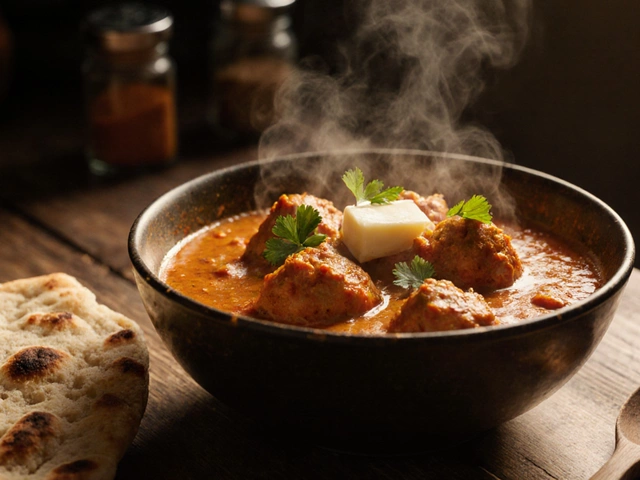
Discover why Butter Chicken tops Indian dish sales worldwide, its key ingredients, simple home recipe, variations, and tips for restaurant‑quality flavor.
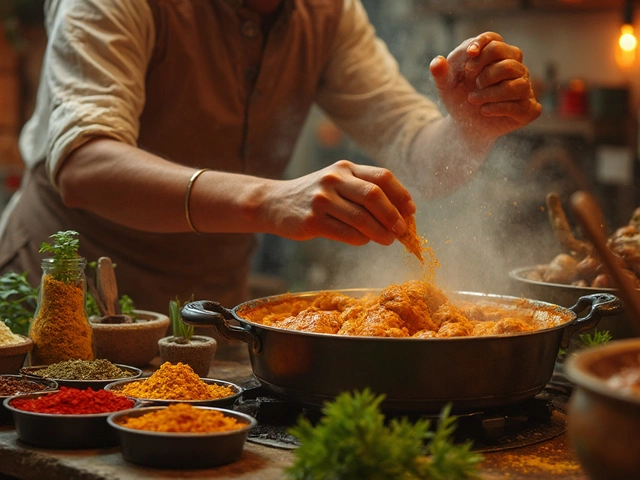
When people think of popular Indian food, a vibrant, spice-rich cuisine built on regional diversity and centuries of tradition. Also known as Indian cuisine, it’s not one thing—it’s hundreds of meals shaped by climate, religion, and family kitchens across a country the size of a continent. Most assume it’s all curry, but that’s like saying Italian food is just pasta. The truth? Some of India’s most loved dishes don’t have sauce at all. Think dosa, a fermented rice and lentil crepe, crispy on the edges, soft inside, served with coconut chutney, or tandoori chicken, marinated in yogurt and spices, charred in a clay oven until the outside is smoky and the inside stays juicy. These aren’t side dishes—they’re the stars.
Then there’s paneer, a fresh, non-melting cheese made from curdling milk with lemon or vinegar, used in everything from buttery gravies to grilled skewers. It’s the protein backbone of millions of vegetarian meals in India, where over 400 million people don’t eat meat. You won’t find paneer in a typical Western grocery store, but it’s as common as tofu in Indian homes. And it’s not just about the cheese—it’s how it’s cooked. Marinating it properly makes the difference between rubbery and melt-in-your-mouth. Same goes for roti, the simple round flatbread that’s the daily bread for half of India. It’s not round because of tradition—it’s round because physics demands it. A round shape cooks evenly, puffs up just right, and tears cleanly. Roll it any other way, and you’ll end up with a dry, uneven flatbread.
Popular Indian food thrives on balance. It’s the contrast between spicy chutney and mild dal tadka, the crunch of pani puri against the creaminess of biryani, the sweetness of jaggery in sweets versus the sharp tang of pickled mango. You don’t need a fancy kitchen to make it. Many of the most beloved dishes—like lemon rice, tarka dal, or even plain yogurt with salt and cumin—are made with five ingredients or less. What matters is technique: how long you soak your dal, which oil you use for dosa, whether you rinse yogurt off chicken before grilling. These aren’t secrets—they’re small choices that change everything.
And if you’ve ever ordered "Indian food" at a restaurant and felt like something was missing? You probably got the version cleaned up for Western palates. The real stuff—like blackened tandoori chicken with caramelized spices inside, or biryani layered with saffron and slow-cooked meat—takes time. It’s not fast food. It’s slow food with soul. The posts below break down exactly how to make these dishes work at home, why they taste the way they do, and what to avoid if you want the real deal. No fluff. No guesswork. Just clear, practical steps to bring the flavors of India to your table—exactly as they’re made in homes across the country.
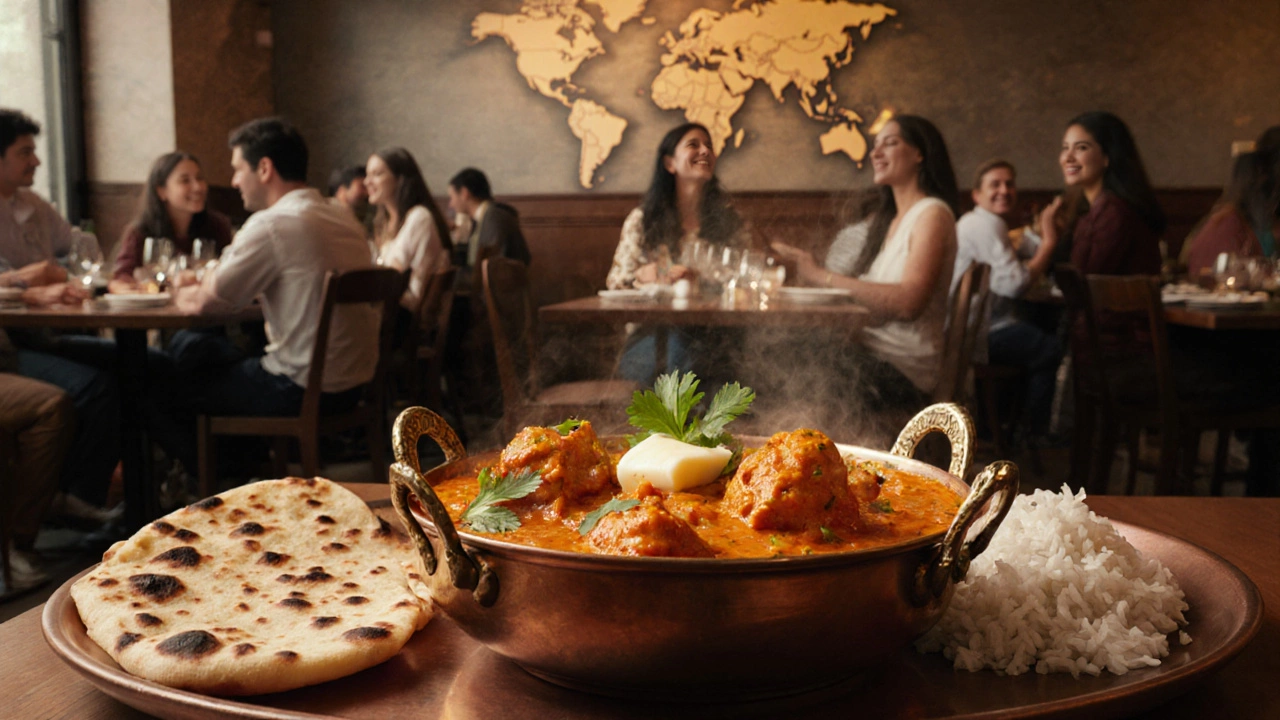
Discover why Butter Chicken tops Indian dish sales worldwide, its key ingredients, simple home recipe, variations, and tips for restaurant‑quality flavor.