Plant-Based Indian Food: Authentic Vegetarian Dishes Without Meat
When you think of plant-based Indian food, a wide range of traditional Indian meals made without meat, fish, or poultry, often centered on lentils, vegetables, grains, and dairy. Also known as Indian vegetarian cuisine, it’s not just a trend—it’s how over 400 million people in India eat every single day. This isn’t about skipping meat because it’s trendy. It’s about centuries of culture, religion, and practicality shaping meals that are full of flavor, protein, and texture—without a single animal product.
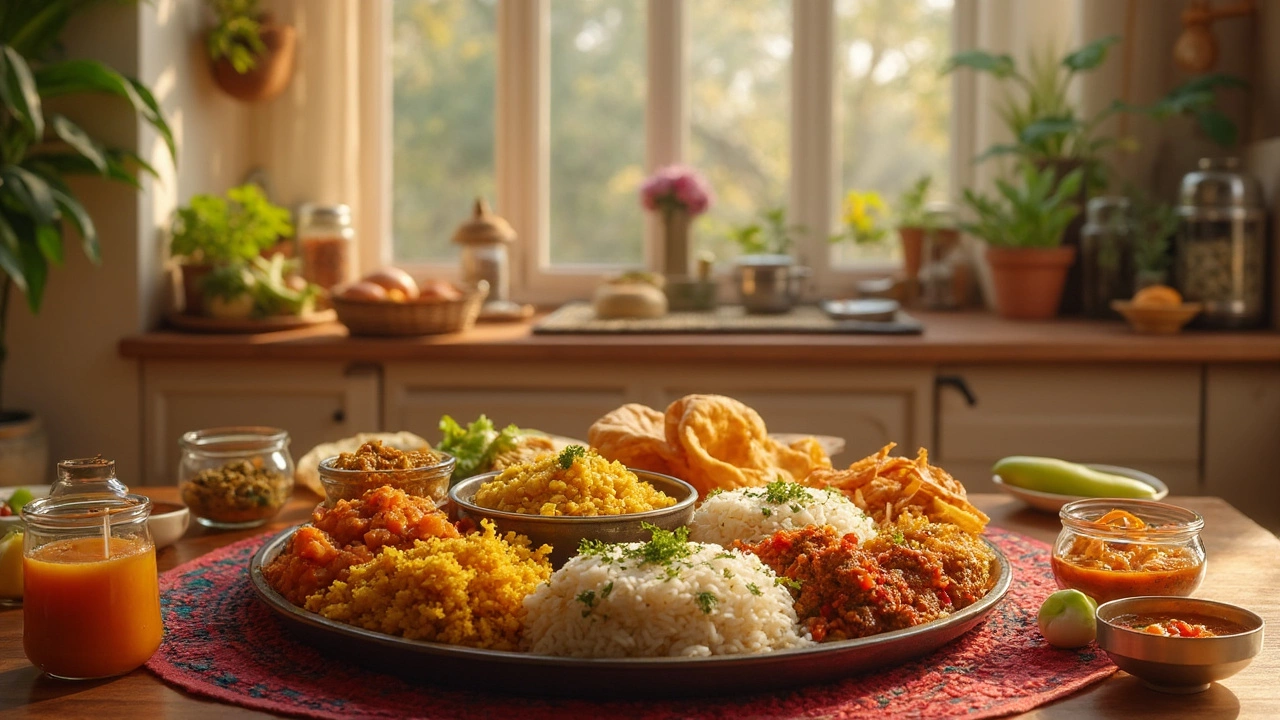
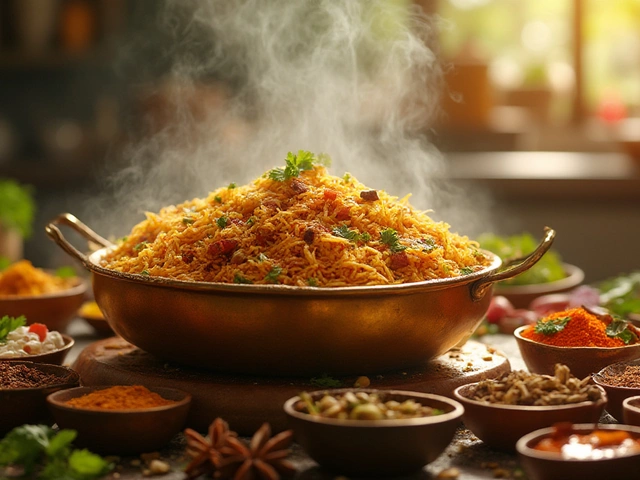
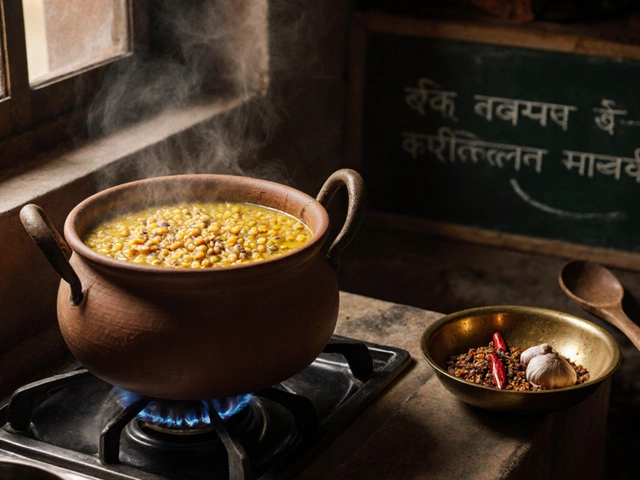
At the heart of this food are lentils, dried legumes like masoor, toor, and chana that form the base of daily meals. Dal tadka, a simple lentil stew spiced with cumin and garlic, is eaten in homes from Delhi to Chennai. Then there’s dosa, a fermented rice and lentil crepe that’s crispy on the edges and soft inside, served with coconut chutney and sambar. These aren’t fancy restaurant dishes—they’re everyday food. You don’t need paneer or ghee to make them satisfying. Even without dairy, meals like lemon rice, vegetable biryani, and aloo gobi are packed with depth from toasted spices and slow-cooked vegetables.
What makes plant-based Indian food different from other vegetarian diets? It doesn’t rely on meat substitutes. There’s no soy chicken or jackfruit pulled pork here. Instead, you get the natural richness of lentils, the crunch of roasted chickpeas, the creaminess of coconut milk in curries, and the tang of tamarind in chutneys. The spices—turmeric, coriander, mustard seeds, asafoetida—do the heavy lifting. They build layers of flavor that make you forget you’re not eating meat. And because these dishes are designed for daily cooking, they’re simple, affordable, and easy to scale. You can make a pot of dal for four or forty with the same recipe.
Some people assume Indian food means heavy cream and butter. But look closer. Many of the most loved dishes—like pani puri, chana masala, and sabzi—are naturally vegan. Even dishes with yogurt or paneer often have dairy-free versions that taste just as good. The real secret? It’s not about what you remove. It’s about what you build with.
Below, you’ll find real recipes and honest takes on how these meals are made—no fluff, no gimmicks. Whether you’re learning how to ferment dosa batter, choosing the right oil for crispy snacks, or figuring out which Indian curry is actually healthy, every post here comes from kitchens where plant-based eating isn’t a choice—it’s the norm.