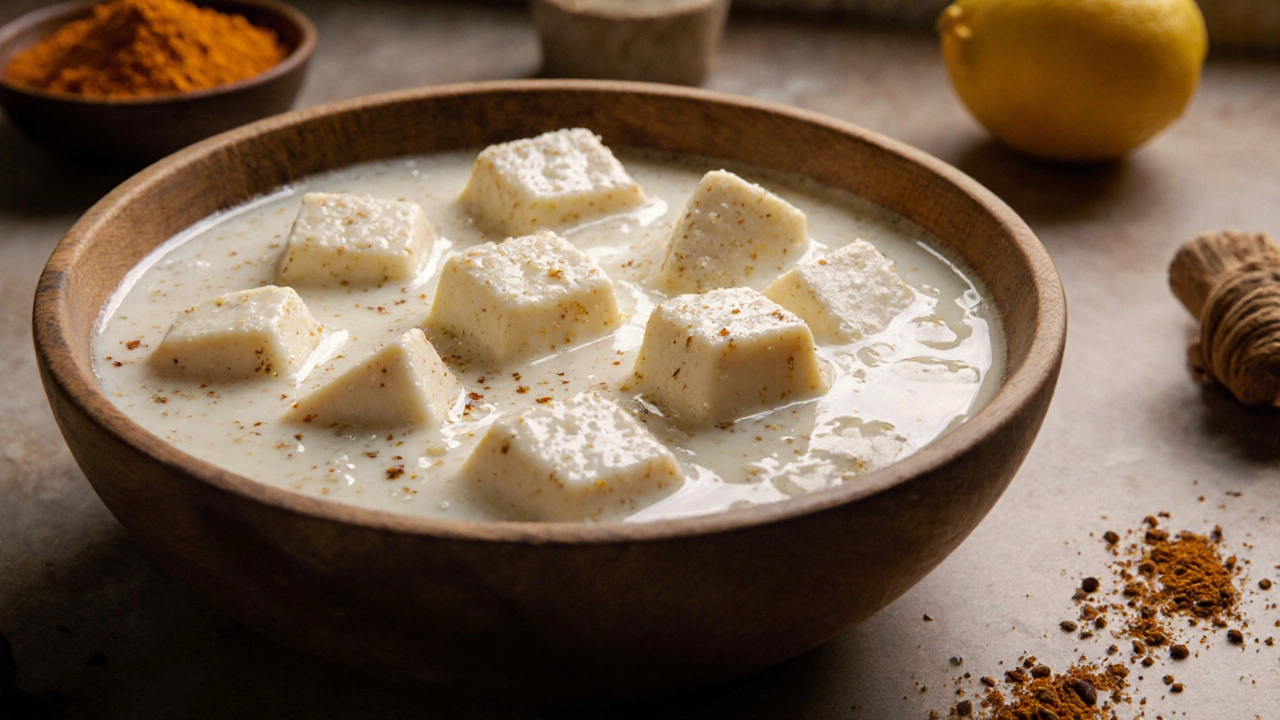
Paneer Cooking Tips: Best Ways to Cook Paneer Without Drying It Out
When you buy or make paneer, a fresh, unaged Indian cheese made by curdling milk with lemon juice or vinegar. Also known as Indian cottage cheese, it’s the star of dozens of home-cooked meals—from paneer butter masala to tikka and stir-fries. But if you cook it wrong, it turns rubbery, dry, and tasteless. The good news? With a few simple tricks, you can make paneer that’s soft, creamy, and full of flavor every time.
Most people mess up paneer because they treat it like regular cheese. You don’t need to soak it in water for hours, and you definitely shouldn’t fry it straight from the fridge. The key is understanding its structure: paneer holds moisture, but only if you protect it. Marinating, coating paneer in yogurt, spices, and a little oil before cooking. This isn’t just for flavor—it creates a barrier that locks in moisture during frying or grilling. And if you’re adding paneer to a curry, don’t toss it in early. Wait until the sauce is simmering gently, then fold it in at the end. Boiling paneer in a thick gravy for 10 minutes? That’s how you get chalky cubes. Let it warm through for 3–5 minutes instead.
Frying paneer, a common method to give it a golden crust before adding to dishes. It’s not optional if you want texture contrast. But use medium heat—not high. High heat burns the outside before the inside warms up. A light dusting of cornstarch helps it crisp without absorbing too much oil. And always pat the paneer dry before frying. Wet paneer = steam = soggy results. Another secret? Salt your paneer before cooking. Not after. Sprinkle a pinch on the cubes 10 minutes before you start. It pulls out a little water, then reabsorbs it with flavor. You’ll notice the difference in every bite.
And don’t forget temperature control, the silent hero of perfect paneer. Whether you’re grilling on a skewer or pan-searing, let your pan or grill get properly hot before adding the paneer. Cold pan = sticking. Too hot = burning. You want that gentle sizzle, not a fireball. If you’re making paneer tikka, thread the cubes with onions and bell peppers. The veggies release moisture as they cook, keeping the paneer juicy. It’s a trick used in busy North Indian homes—not fancy, but it works.
There’s no magic spice or secret ingredient. Just three things: proper prep, gentle heat, and timing. The posts below give you real, tested methods from Indian kitchens—no fluff, no guesswork. You’ll find exactly how much oil to use, when to add paneer to curries, why some recipes call for freezing it first, and how to rescue overcooked paneer. Whether you’re new to Indian cooking or just tired of dry paneer, these tips will change how you cook it forever.